Home Blog Page 25

Does Term Life Insurance Include Disability

0

Does my term life insurance include disability? Term life insurance is a policy that offers financial help to your family or beneficiaries when you pass away. As the insured, you make premiums over the lifetime of the policy. In return, the insurer pays a good amount (death benefit) to the person listed in the policy once you die.
Does Term Life Insurance Include Disability

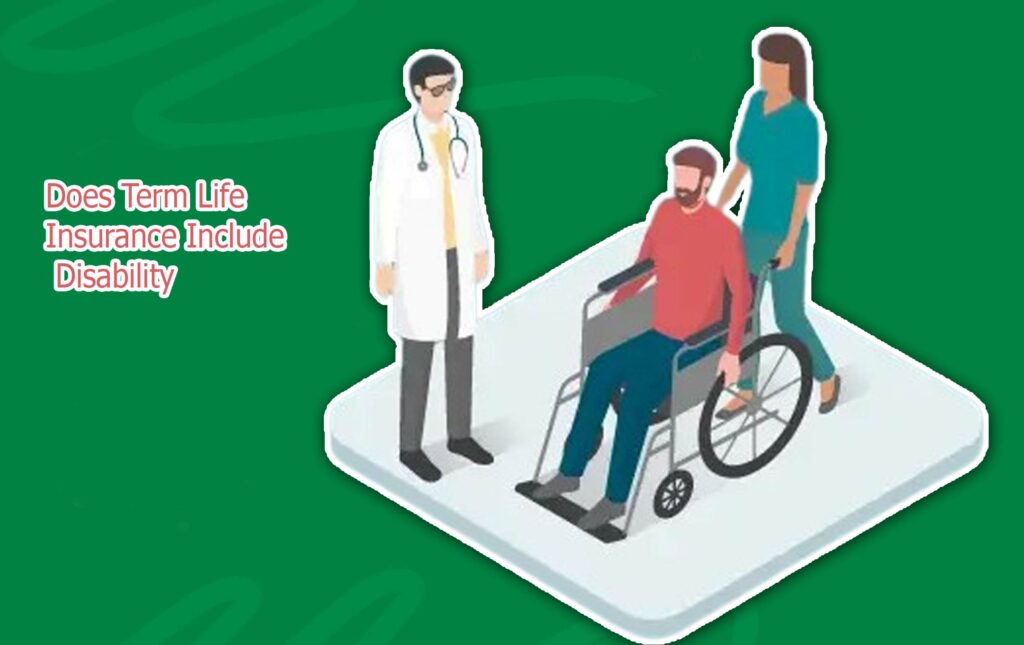
However, will the term life insurance policy cover you if you experience an injury or illness that results in a long-term disability? If you want the answer to this question, read this article to the very end. In this blog is everything you need to know about term life insurance and disability.

Does Term Life Insurance Cover Disability

Just as I have mentioned above, term life insurance is a financial product that gives money to your loved ones if you die within a set time. But what happens if you become disabled? The policy itself won’t cover disabilities.

However, you can be able to add extra features, called riders, to get disability protection. So, while disability coverage isn’t included in your basic term life insurance, you can customize your policy to include it, making your financial plan more complete. Once the rider is added to your policy, your term life insurance policy will pay your income if any injury or illness results in disability.

Term Life Insurance and Disability Coverage

Term life insurance and disability insurance are two distinct types of coverage. Life insurance provides financial help to your loved ones after you die. The payout is done after you die, and it goes to your beneficiaries. Meanwhile, disability insurance provides you with financial help if you cannot work. The payment will be made only if the insured is alive but can’t work due to an injury or illness resulting in a disability.

If buying an additional policy isn’t within your budget, you can conveniently add a disability rider to your existing term life insurance policy. Insurers allow you to add riders to your policy to match your needs, mostly at a small added cost. There are different riders that may help you out if you experience injuries or illness resulting in disability.

  • Disability income rider: This offers you a supplementary income benefit. It is usually paid monthly when illness or injury results in disability. Generally, the benefits are fixed at a policy’s face value percentage. For example, if you have about a one million dollar policy and the disability income is just one percent, you will get $1,000 per month.
  • Waiver of premium rider: if you meet the criteria for total disability, you can get coverage without paying for premiums. This means that disability may vary from one insurer to another. So ensure that you compare policies before purchasing.
  • Accelerated death benefits. This allows you to access a portion of the death benefit amount if you are diagnosed with a terminal illness.

Who needs Disability Coverage?

The risk of getting a severe injury or illness is higher than you can ever imagine. If you cannot sustain yourself without spending all your savings if you were to experience an injury or illness resulting in disability. Disability coverage could be the right choice for you.

You may think disability coverage is only for individuals that have dangerous jobs, but that’s a big fat lie. Approximately 90% of long-term disabilities result from illness or sickness, indicating that such conditions can occur regardless of your occupation.

How to Include Disability Coverage in Your Term Life Insurance Policy

To include this coverage in your policy, you need to meet with your insurer to know if they offer this type of coverage.

If they do, you should be provided with the rates they offer and other information you need to know. However, if they don’t offer this coverage, you will have to purchase the disability insurance policy separately from another insurer.

If this is the case, ensure that you compare rates from different insurers before choosing the one that offers the best quotes. Meanwhile, some of the alternatives to life insurance and disability coverage are short-term disability insurance, long-term disability insurance, and workers’ compensation insurance.


Exotic Pet Insurance – What it is, Types and Coverage

0

Most pet insurance providers typically offer coverage only for cats and dogs, which can be limiting for pet owners with feathered, furry, or scaly companions. However, these pet parents may also wish to insure their animals. For them, exotic pet insurance is the ideal option.

Pet parents with a pet chinchilla, cockatoo, or pot-bellied pig may consider getting exotic pet insurance to cover them in times of accidents or illnesses. Just like every other pet insurance policy, this pet insurance offers financial protection for costly vet bills and peace of mind for pet owners if ever their pets get sick.

Exotic Pet Insurance -  What it is, Types and Coverage

Different pet insurance companies offer pet insurance for cats and dogs, but others offer insurance for exotic pets. They offer affordable policies and coverages you can purchase for your pet. Before proceeding with the purchase of this pet insurance, read through this write-up to gain knowledge on all the information needed about this life insurance.

What is Exotic Pet Insurance?

This pet insurance is a health insurance policy designed specifically for non-traditional pets. It helps cover veterinary expenses related to illnesses and injuries. This type of insurance typically applies to pets such as fish, birds, reptiles, and small mammals. Regardless of your pet’s species or breed, you can obtain exotic pet coverage to help protect their well-being.

Types of Exotic Pet Coverage

Pet insurance companies typically offer exotic pet accident and illness insurance plans. This accident and illness plan covers vet bills for accidents like soft tissue trauma and illnesses like arthritis or feather loss.

Nationwide exotic pet coverage is reimbursement-based, meaning you will have to make an up-front payment for your exotic pet’s vet bills and submit a claim to your pet insurer. If your vet costs are covered by your pet insurance policy, you will be reimbursed by your insurers.

What Does Exotic Pet Insurance Cover?

This pet insurance generally offers two main types of coverage: accident and illness coverage. Within these categories, the policy includes various events and situations. Specifically, it helps cover a broad range of veterinary costs related to accidents, such as

  • Broken bones.
  • Sprains.
  • Poisoning.
  • Soft tissue trauma.
  • Lacerations.
  • It covers veterinary bills for illnesses like
  • Arthritis.
  • Diarrhea.
  • Eye injuries.
  • Foreign body ingestion.
  • Mouth rot.
  • Upper respiratory infection.
  • Allergies.
  • Cancer.
  • Ear infections.
  • Feather picking/loss.
  • Internal parasites.
  • Overgrown teeth.
  • Also, it covers veterinary services like
  • Avian-specific diagnostic tests.
  • Hospitalizations.
  • Treatments.
  • Diagnostic tests such as biopsies, blood tests, urinalysis, and radiographs.
  • Prescription medication.
  • Surgeries.

Purchasing accident-only exotic pet policy will not cover your pet from veterinary bills related to illnesses. However, buying both accident and illness pet insurance coverage will offer wider coverage to your exotic pet.

Does Exotic Pet Insurance Cover Routine Care?

This pet insurance does not cover routine care. Pet owners are required to get pet wellness insurance plans to cover costs for routine care such as vaccinations and yearly vet exams. You may be able to purchase a wellness plan for routine care for your exotic pet.

This wellness plan can be gotten as a single insurance plan instead of an add-on. For instance, the Mint Wellness plan offered by insurance companies covers other types of expenses for every type of pet, including exotic pets.

What Are the Exclusions?

Just like every other pet insurance policy, this pet insurance also has events it does not cover. These exclusions include:

  • Cost of breeding.
  • Unrelated vet care costs.
  • Elective procedures.
  • Orthodontics.
  • Vet examinations, routine care, and vaccinations.
  • Boarding or transportation costs.
  • Congenital or hereditary diseases.
  • Diseases that are preventable by vaccination.
  • Food and supplements.
  • Pre-existing illnesses.
  • Surgical removal of reproductive organs and so on.

In addition to certain events being excluded, some types of exotic pets are not eligible for coverage under exotic pet insurance. These typically include:

  • Species that require a license, registration, or permit by the state.
  • Threatened or endangered species.
  • Species kept in flocks or on display.
  • Illegally owned species.
  • Non-domesticated species.
  • Poisonous or venomous species.

These pets are not covered by exotic pet policies, nor can they be insured.

How Much Does it Cost?

Pet insurance prices can vary depending on several factors. At Nationwide Insurance Company, exotic pet insurance is available for less than $12 per month. The cost of your exotic pet coverage is influenced by factors such as

  • Yearly coverage amount.
  • Pet type.
  • Location.

Using these factors, exotic pet insurance companies determine how much they will charge you for exotic pet insurance coverage. Also, using these factors, insurance rates and quotes are determined.

Engagement Ring Insurance – Coverage and Exclusions

0

It doesn’t necessarily need to be a special occasion before you get down on your knees to give her an engagement ring. While in this position, having engagement ring insurance is vital in case the ring gets damaged, stolen, or lost. It can be very painful to lose an expensive engagement ring, but with coverage, you can easily get around it.

Engagement Ring Insurance - Coverage and Exclusions

This insurance is designed to cover the cost of repairing or replacing an engagement ring if it gets damaged or stolen. When the ring gets stolen, this insurance replaces the ring with the same ring from the same brand. This insurance has different additional coverage options you can select from, and it offers coverage based on what coverage and additional coverage you purchase.

Furthermore, engagement rings can be purchased as additional coverage to your homeowners or renters insurance. While it is called engagement ring insurance, on your homeowners or renters insurance, engagement rings will be covered under a jewelry insurance policy, or they will be purchased as a floater. However, this insurance, can either be purchased as additional coverage or as a standalone policy.

What Engagement Ring Insurance Covers?

As previously stated, engagement ring insurance covers the cost of repairs or replacement of an engagement ring. This insurance covers the following events:

  • Theft.
  • Mysterious disappearance.
  • Damage.
  • Loss.

It is important to check your policy limits and what is covered to be knowledgeable of when your engagement ring coverage will offer coverage and when it will not. However, irrespective of what type of engagement ring coverage policy you get, it will offer coverage in any part of the world.

What Are the Exclusions

While there are some events this insurance covers, there are also events it doesn’t cover. These events include:

  • Intentional damage or loss.
  • Nuclear hazard.
  • Pre-existing damage to the ring.
  • Military action or war.
  • Deterioration.
  • Manufacturer defect.
  • Pest damage.
  • Selling off the ring.
  • Wear and tear.

In cases like this, your engagement ring insurance will not offer coverage. Also, if you lose or damage your engagement ring due to negligence, this insurance will not cover it.

Engagement Ring Insurance Cost

This insurance typically costs between 1% and 2% of the engagement ring’s value. For a ring worth $6,000, that translates to an annual cost of $60 to $120, or roughly $5 to $10 per month. However, the actual cost can vary based on several factors and the specific type of insurance coverage you choose. You need to check with your insurer to know how much your insurance will cost.

Who Needs Engagement Ring Insurance?

While it is advisable to insure your engagement ring, there are a few people who should insure their engagement ring. You should insure your engagement ring if:

  • You go on trips more often, and you suspect it raises the risk of losing the ring.
  • You misplace things easily.
  • Affording the replacement or repairs of the ring seems almost financially impossible.
  • If your finances will be affected if the ring is lost or damaged.
  • You will have peace of mind knowing your ring is insured.

If you fall under any of the above situations, you need to purchase engagement ring insurance.

Does My Homeowners Insurance Cover Engagement Rings?

Your homeowners insurance policy offers jewelry insurance coverage. Under this coverage, engagement rings are covered. This homeowners insurance policy covers repairs and replacements of jewelry, which include engagement rings. However, this policy has a limited coverage limit, but to get more coverage, you can pay more. Although this coverage may reduce the value of your engagement ring, it is still another way to insure it.

Is it Worth It?

Yes, engagement ring insurance is worth purchasing. This is because it offers peace of mind that your finances will not be affected in case of any unexpected event. You can buy this insurance either as a separate policy or include it within your homeowners or renters insurance coverage.

Who Pays for Engagement Ring Insurance?

Generally, the owner of the ring should be the one to insure the engagement ring. This means that the person who purchased the ring should insure it. However, this is advisable because it makes more sense to insure the ring instead of waiting until you are asked to.

Home Improvement Loan VS. Home Equity Loan: Which is Better

0

Home Improvement Loan vs. Home Equity Loan: Which is Better – Beginning a home improvement project can be thrilling, especially if you want to improve your outdoor living space, renovate your kitchen, or add a new bathroom. However, financing these projects can be daunting, and homeowners usually find themselves in a pickle, considering which option will work better for them between home improvement loans and home equity loans.

Home Improvement Loan VS. Home Equity Loan: Which is Better

Home improvement loan vs. home equity loan: which is better? Both loan options have their unique advantages and disadvantages, and making the right decision. This is why this blog post will help you understand the complexities of each loan type better by comparing the benefits, features, and situations they are ideal for.

What is a Home Improvement Loan?

A home improvement loan is a form of personal loan designed specifically to offer assistance when it comes to remodeling projects or home renovation. Home improvement loans are usually unsecured; therefore, collateral is not required, unlike home equity loans, which are secured by the equity in your home.

What Does It Cover?

What can you use a home improvement loan for? Here are the many purposes to take out or apply for this loan type:

  • Exterior upgrades.
  • Interior renovations.
  • Appliance upgrades.
  • General home repairs.
  • Energy efficiency improvements.
  • Cosmetic enhancements.
  • Structural repairs.
  • Safety and security enhancements.
  • Accessibility modifications.
  • Room additions.

Pros and Cons

Here are the benefits and drawbacks of a home improvement loan:

Pros

  • Fixed interest rates.
  • No equity required.
  • Streamlined application process.
  • Quick approval.
  • Tax deductibility.
  • Suitable for small to medium projects.
  • Multiple lender options.
  • Flexible loan amounts.
  • No appraisal necessary.
  • No risk to home.

Cons

  • Personal credit impact.
  • Higher interest rates.
  • Prepayment penalties.
  • Lower loan limits.
  • Not ideal for major projects.
  • Challenging eligibility criteria.
  • It is unsecured.
  • Fees and charges.
  • Risk of overborrowing.
  • Limited repayment terms.

When to Take Out a Home Improvement Loan

Here are the most suitable situations to consider a home improvement loan:

  • For smaller to medium-sized projects.
  • If you do not have enough home equity to apply for a home equity loan.
  • Have plans to increase resale value before selling it.
  • Having a stable income and good credit gives you access to favorable loan terms.
  •  If you prefer not to use your home as collateral.
  • When you require fast funding for urgent home renovations or repairs.
  • For projects improving home value and enhancing livability.
  • For energy-efficient upgrades.
  • When you want stable monthly payments with a fixed interest rate.

When Not to Take Out One

It is not a good idea to apply for a home improvement loan if:

  • For projects that will not boost home value or functionality.
  • If you need a large sum of money that surpasses your home improvement loan limits.
  • If you are not comfortable taking on debt or borrowing for home improvements.
  • If you are moving soon.
  • When you have enough home equity for lower interest rates.
  • For temporary or cosmetic improvements or adjustments that do not have a lasting impact.
  • When you are not sure about on-time loan repayment.
  • Have an existing debt.
  • When expected income or expense fluctuations affect loan payments.
  • When there are better financing options available.

What is a Home Equity Loan?

A home equity loan, often called a second mortgage, allows homeowners to borrow against the equity in their property. Equity represents the difference between the home’s market value and the outstanding mortgage balance.

What Does It Cover?

Here are the different purposes you can use a home equity loan to cover:

  • Emergency expenses.
  • Debt consolidation.
  • Investment opportunities.
  • Vacation expenses.
  • Major renovations.
  • Personal projects.
  • Business ventures.
  • Education expenses.
  • Wedding expenses.
  • Medical expenses.

Pros and Cons

Here are the pros and cons of considering a home equity loan:

Pros

  • Tax deductibility.
  • Lower interest rates.
  • No restrictions on use.
  • Higher loan amounts.
  • Potential for value appreciation.
  • It is secured.
  • Longer repayment terms.
  • Fixed interest rates.
  • No prepayment penalties.
  • Flexible use of funds.

Cons

  • Closing costs.
  • Risk of foreclosure.
  • Risk of overborrowing.
  • Connected to home value.
  • Limited availability.
  • Long approval process.
  • Requires equity.
  • Potential fees for early repayment.
  • Reduces equity.
  • Variable interest rates.

When to Take Out a Home Equity Loan

You can consider a home equity loan if:

  • If you can make timely repayment and understand the associated consequences.
  • When you have a stable income and good credit, for better terms.
  • If you want to consolidate high-interest debts.
  • Looking forward to tax benefits.
  • For projects that improve home value and livability.
  • When you have a strong plan and understand the risks.
  • Need long-term financing benefits.
  • When you require a substantial amount for major expenses such as education, debt consolidation, or home improvements.
  • Want fixed payments and predictable rates.
  • If you have enough home equity.

When Not to Take Out One

It is not a good idea to apply for a home equity loan for any of these purposes:

  • For short-term expenses.
  • If the fund is for non-essential expenses.
  • If you do not have sufficient home equity.
  • When you have existing debts.
  • If you are unsure about monthly payments.
  • If you plan to sell the house soon.
  • For high-risk investments with unpredictable returns.
  • If you are not comfortable with home collateral and the risks involved.
  • If there are better alternative options.
  • When you can afford the closing fees.

Home Improvement Loan vs. Home Equity Loan: Which is Better?

Here is a table showing the differences between a home improvement loan and a home equity loan if you want to find out which one will work better for you:

AspectHome Improvement LoanHome Equity Loan
Approval SpeedQuickerLonger
Loan AmountLower maximum loan amountsHigher maximum loan amounts
Risk of ForeclosureHome is not at riskHome is at risk if your default
CollateralUnsecuredSecured
Interest RatesHigherLower
Equity RequirementNot requiredRequires equity
Tax DeductibilityMight be tax-deductible depending on the project and locationMight be tax-deductible depending on the loan’s purpose
Repayment TermsShorterLonger
Eligibility CriteriaEasierStricter
Use of FundsRestricted UseMulti-purpose

Since you are aware of the advantages and disadvantages of these loan types, you will know which loan will work better for your project.

HO- 4 Insurance – What it is and How it Works

0

Visualize residing in a rental property where everything is perfect—a friendly neighborhood, decoration freedom, and a comfortable living space. But have you thought of what to do if something bad happens, like a disaster hits? This is where HO-4 insurance comes in. With the appropriate insurance coverage, your personal liabilities and belongings are safeguarded against potential risks. This type of insurance is commonly referred to as renters insurance.

HO- 4 Insurance - What it is and How it Works

Furthermore, it acts as a safety net for renters living in condos or apartments of landlords. Hence, to make sure that your property and liabilities are covered in case of an unforeseen event, considering HO-4 insurance is a prudent option. In this blog post, we will be exploring what HO-4 coverage is, how it works, what it covers and doesn’t cover, how much it costs, and how to get a policy. With this in mind, let us begin exploration.

What is HO-4 insurance?

HO-4 insurance is usually referred to as renters coverage. This type of insurance is specifically tailored for tenants or renters. Unlike homeowners coverage, which specifically offers coverage for the physical structure of a home and the personal belongings of the owner, HO-4 coverage pays more attention to offering liability coverage and safeguarding the personal property of the renter. Additionally, this type of insurance quote is advantageous to people who are renting or leasing houses, apartments, or other forms of residential spaces.

How Does It Work?

The operation of HO-4 insurance is simple. It provides financial protection to policyholders against specific covered risks, such as theft, vandalism, or fire. Additionally, it offers personal liability coverage for renters who are legally responsible for property damage or injuries to others.

In the event of a covered incident, your insurance company will compensate you for the cost of repairing or replacing your belongings and may also help cover legal expenses.

What Does HO-4 Insurance Cover?

Typically, this type of insurance provides liability protection, personal property coverage, medical payments to others, and additional living expenses. Below are the events commonly covered under a standard HO-4 or renters policy:

  • Windstorm or hail.
  • Electrical currents.
  • Fire or lightning.
  • Vehicle damage.
  • Explosion.
  • Weight of sleet, snow, or ice.
  • Aircraft damage.
  • Falling objects.
  • Riot.
  • Vandalism.
  • Volcanic eruption.
  • Smoke.
  • Frozen pipes.
  • Sudden damage or malfunction of a water heater.
  • Theft.
  • Overflow of steam or water from HVAC or plumbing system.

What Does It Not Cover?

Specific perils are not covered by renters or HO-4 coverage. They include the following:

  • War.
  • Flood.
  • Sinkhole.
  • Nuclear accident.
  • Earthquake.
  • Mudslide.

Although there might be additional exclusions depending on the insurance provider, there are common events that are not covered by this form of insurance.

Who Needs a Policy?

Generally, anyone residing in a building that they do not own legally can find HO-4 insurance, or renters insurance, quite beneficial. Besides, this type of insurance offers personal property coverage and liability protection to individuals living in these types of residences:

  • Leased single-family homes.
  • Apartments.
  • Multi-family rentals.
  • Dorm rooms.
  • Townhouses or leased condos.
  • Even if you do not officially have a landlord, it is better to invest in renters’ insurance.

How Much Does it Cost?

The cost of getting or purchasing an HO-4 policy differs based on several factors. For instance:

  • Personal property value.
  • Location.
  • Coverage limits.
  • Insurance company.
  • Additional endorsements.
  • Coverage level.

Meanwhile, according to the Insurance Information Institute, the average annual insurance premium cost for renters insurance in the United States is $170. Therefore, a standard HO-4 insurance quote will cost, on average, around $14 per month. Nevertheless, renters insurance is quite cheaper than a home insurance policy.

How To Get HO-4 Insurance

Getting an HO-4 insurance policy is quite straightforward, especially if you have the right steps to follow. This is why in this guide, I will be assisting with comprehensive steps to adhere to when shopping for renters insurance:

  • Find out your coverage needs.
  • Consider how much liability protection you will need.
  • Research potential insurance companies.
  • Research customer ratings and reviews.
  • Compare insurance quotes.
  • Review the coverage options.
  • Select the right policy.
  • Consider getting additional coverage.
  • Fill out the application form to apply for the policy.
  • Provide the necessary information.
  • Read the terms and conditions of the policy carefully.
  • Sign.
  • Get proof of insurance.

After purchasing and activating your HO-4 insurance policy, review it regularly and make adjustments when necessary.

Frequently Asked Questions (FAQs)

What is the main difference between HO-4 insurance and HO-6 insurance?

Renters insurance is also known as HO-4 insurance, and it is designed specifically for renters to cover personal belongings, liability, and medical payments. On the other hand, HO-6 is a form of insurance for condo owners when they own one instead of renting one.

Is HO-4 insurance mandatory for renters?

Although HO-4 insurance is not legally required or mandatory, most property managers and landlords need renters or tenants to have this form of insurance, as it offers protection for your liability and personal belongings.

What should I do if I need to file a claim?

If you need to file a claim with your insurance provider as a renter or tenant, start by taking videos and photos of the damage or loss. Next, report the incident to your insurance company and follow their instructions for submitting a claim. Be prepared to provide any required documents as well.

Factors That Affect Life Insurance Premiums

0

Life insurance can help take the financial burden off your family after you are gone. Aside from this, it is also like an investment. Over a few years, you may get a lower premium on your savings. While comparing the life insurance you get, you may want to consider factors that affect life insurance premiums.

Factors That Affect Life Insurance Premiums

Most life insurance companies consider a few factors when determining life insurance rates and premiums. These factors can most times affect your insurance premiums positively or negatively. Some factors that affect life insurance include age, income, gender, and others. These factors can also help you reduce your life insurance premium.

Understanding the factors that affect life insurance helps you understand insurance quotes and premiums better. Improving some of the factors that affect life insurance gives you a better chance of getting lower insurance premiums.

10 Factors That Affect Life Insurance Premiums

Different factors are considered when life insurance premiums are determined. These factors include age, health condition, gender, smoking, occupation and hobbies, criminal record, driving record, and so on. This section of my write-up contains insights into 10 factors that affect life insurance premiums.

Age

Life insurance companies look into your age and life expectancy when evaluating premiums. The younger you are, the lower your monthly life insurance quotes, while older customers get higher life insurance quotes. Older life insurance policyholders may be limited in the level term length period.

Term life insurance can be bought by customers in their 80s, but a shorter term period will be given. However, customers who are interested in cash-value life insurance policies may get one in some companies whose maximum age is 85 or younger.

Gender

There’s an anticipation for females to live roughly six years longer than males. Because of this, women pay less on life insurance premiums than men.

Health

Your health plays a major role in determining life insurance premiums. Individuals with certain health conditions are viewed as higher-risk to insure. This is because they are determined to likely have a life insurance payout much sooner. Your health details are obtained by life insurers through life insurance medical exams.

They get your medical records and process drug prescriptions to see what medications you have taken. This, however, is done with your permission. Some health conditions may affect your life insurance premiums. Some of these conditions include diabetes, any disease, high blood pressure, hypertension, sleep apnea, and depression or anxiety.

Smoking

Cigarettes are not the only things that affect your life insurance rates. Any form of nicotine you use can get you into smoker rates. You may be added to the smoker rates if you take nicotine patches and gum, chewing tobacco, pipes, smokeless tobacco, e-cigarettes, and vaping. The rules about life insurance rates based on the repetitiveness of nicotine a customer uses vary by life insurance company.

Family Medical History

Many life insurance applications will ask for your family’s medical history, as it can influence your premiums. If your family’s health history includes conditions such as cancer, congenital heart disease, melanoma, or cardiovascular disease, you may face higher premiums and rates.

Occupation and Hobbies

Life insurance applications will ask some questions relating to your lifestyle. These questions include dangerous hobbies and occupations. If your job and hobbies are dangerous, life insurance companies may consider you a risk, causing you to pay more on premiums and rates.

Driving Record

If you have a driving history with DUIs. Suspended licenses and reckless driving convictions: you will be considered high-risk. This can get you higher premiums and interest rates.

Criminal Record

Having a criminal record can affect your life insurance premiums along with your chances of qualifying for life insurance. Generally, there is a 10-year waiting period after getting out of jail and a five-year waiting period after a DUI to qualify for a life insurance policy. Chances are that you will be rejected for life insurance if you are awaiting trial, on probation, in jail, or on parole.

Recent Financial Issues

Life insurance regulates bankruptcies when reviewing life insurance applications. Applicants who have some financial issues like bankruptcy on their record within the past two to five years may not be eligible for a life insurance policy. However, this depends on the insurance company you are working with. Some life insurance companies may consider your application if you recently went bankrupt.

Coverage Length and Amount

The type of policy you intend to purchase and the amount of coverage you need are other factors that may affect your life insurance. Term life insurance is the most affordable option, while universal life insurance tends to be more costly. Whole life insurance is the priciest of the three.

Home Daycare Insurance

0

If you are a home daycare provider, your type of business gets you involved with different children, which may result in risks such as lawsuits. Some of the risks associated with your type of business are abuse accusations, slips and falls, faulty toys, and so on. To prevent making these payments out of pocket, getting home daycare insurance is a good idea.

Home Daycare Insurance

When having a home daycare, it is important to buy the best homeowners insurance, and the best is home daycare coverage. This insurance covers the cost of unforeseen events likely to affect your business finances.

This insurance comes with different insurance policies and coverage. Some states may not require daycare providers to have insurance coverage over their business, but it is advisable to get one personally to protect you and your business.

What is Home Daycare Insurance

Home daycare insurance is also referred to as childcare insurance. It provides financial protection for home daycare providers from risks and liabilities they may face.

This insurance may be a type of home business insurance for smaller home daycares, while it may be small business insurance for large home daycares. Home daycare coverage offers financial protection for events such as property damage and lawsuits that may occur while caring for children.

Does my Homeowners Insurance cover the Home Daycare Business?

While homeowners insurance covers everything in the home, home daycare is not covered under this insurance policy. Some home daycare providers may assume that their business is covered under this insurance policy, but unfortunately, it is not. Certain homeowners coverage providers offer home daycare coverage as an optional add-on to their standard policies.

This means that you will need to buy this coverage on your homeowners insurance policy. However, you can easily qualify for a home daycare insurance endorsement from your homeowners insurance company. But you can only do that if you have three, six, or more children under your care. This, however, depends on your insurer.

What Does it Cover?

Whether you buy home daycare insurance as an endorsement of your homeowners insurance policy or as a standalone business insurance policy, you need to know what is covered under your policy.

Sometimes, adding home daycare coverage as an endorsement to your homeowners policy may not fully meet the needs of your daycare business. In such cases, opting for a standalone policy might be a better choice.

The following are what home daycare covers.

General Liability Coverage

It is compulsory to get this coverage over your home daycare business. This coverage covers property damages and accidental injury expenses caused by your business to others.

General liability insurance is very important for your business if you care for children. This is because accidental injuries are likely to occur easily. Some injuries may be minor, while others may require the attention of a doctor.

Commercial Property Insurance

If you have any property or equipment used daily for your home daycare business, this coverage covers payments if ever they are damaged through a problem outlined in your policy.

Professional Liability Coverage

This covers claims of mistakes related to your home daycare business. It covers lawyer fees, settlements, and legal judgments if ever your business gets sued.

Commercial Car Insurance

If your home daycare business makes use of cars to transport children, it is advisable to get this coverage. Business vehicles are not covered under a personal car insurance policy.

Non-owned Car Liability Coverage

For home daycare businesses that use a personal or school vehicle to transport children, non-owner care liability coverage is advised. It covers damages and injuries sustained if ever there is an accident. However, this coverage is for private cars only.

Corporal Punishment Liability Coverage

In cases where staff is accused of hitting a child and a lawsuit is filed, this insurance coverage will cover legal judgments and settlement bills.

Abuse and Molestation Liability Coverage

This policy covers you and your staff if ever you get sued for molestation or abuse of a child.

What Home Daycare Insurance Does Not Cover

Just as this insurance covers quite several events, some events are not covered under this insurance. These include:

  • Adult care.
  • Nuisances on your property.
  • The number of children.

If your home daycare business includes these, they will not be covered under your home daycare coverage.

When do you need home daycare insurance?

You need home daycare insurance when:

  • Your home daycare is in your home.
  • You have employees.
  • Children are transported.
  • You are registered or licensed.
  • Your personal property is being used for business.

You should get a home daycare coverage policy for your business in these cases.

How Divorce Affects Your Student Loan Debt

0

How Divorce Affects Your Student Loan Debt – Deep and extreme implications, especially in different aspects of a person’s life, are some of what comes after a divorce. Student loan debt is not an exception. As divorcing couples divide their former shared financial responsibilities. It is important to understand how their student loans are affected during and after this life-changing event.

Unlike other forms of debt, student loans are structured in a special way that can result in complicated financial and legal challenges or issues when the marriage comes to an end. So, how divorce affects your student loan debt is what we will be learning about in this comprehensive article. The guidance you will need to handle this type of debt will be available, so keep reading. 

How Divorce Affects Your Student Loan Debt?

During a divorce, how your student loan debt affects your loan depends on whether the loan is classified as marital property or individual property. Generally, a federal student loan is the responsibility of the borrower. Therefore, as a borrower, you are still legally obligated to the loan no matter the divorce settlement.

Nevertheless, if the divorce settlement involves splitting debts or if the student loan was applied for and granted during the marriage, the non-borrowing party or partner might have to contribute to the paying back of this loan under specific circumstances.

Accordingly, every state has its law regarding debt division, and a student loan obtained during the marriage may be considered a marital debt. Hence, this can affect how the debts will be divided between both parties.

Who Pays Student Loan Debt After a Divorce?

After a divorce, the responsible party for a student loan debt is usually the borrower. This is because this type of debt is considered a personal obligation for the borrower or applicant.

However, if the loan was applied for together or if the divorce agreement indicated certain debt distribution or division, then the non-borrowing spouse or partner may have to contribute to the repayment of the loan.

It is essential to know that while a decree nisi might give one partner the responsibility to pay back the student loan debt, lenders do not operate based on the divorce settlement.

On the contrary, they hold the borrowing partner liable for the loan repayment. During this process, the other partner will have to contribute to the loan during the marriage. Nonetheless, spouses can ask for reimbursement through divorce mediation or settlement.

How to Deal with Student Loan Debt Post-Divorce

Dealing with student loan debt after a divorce can be a complex and daunting procedure, but if you have the right strategy, you can efficiently handle this part of your financial life. Here is a step-by-step guide you can follow to navigate through smoothly:

Check Your Divorce Decree

Examine and review your divorce decree carefully to understand the means of addressing the student loan debt in the statement. Additionally, the divorce decree should clearly specify which partner is responsible for the student loan debt and outline how the loan will be managed moving forward.

Thus, make sure that you have a clear understanding of the agreements and obligations regarding student loan payments. This will help you find out what to do next.

Speak to Your Loan Provider

Communicate with your student loan provider and tell them about your new marital status and update your contact details.

This process is very important in making sure that you get the important documents about your loan and if there are any changes in the repayment terms. Meanwhile, check out other available repayment methods and talk about your current financial situation.

Go Through Your Repayment Terms

Review and understand your repayment options to explore the best option for your current financial situation. Besides, federal student loan borrowers can enjoy different repayment options like income-driven, standard, or graduated repayment plans. If you are a private student loan borrower, you can ask your lender for available refinancing or repayment options.

Consider Refinancing or Loan Consolidation

If handling various loans is hard, you can consider refinancing or consolidating your student loan. Refinancing a private loan can significantly give access to lower monthly payments and competitive interest rates. On the other hand, consolidating a federal loan involves joining different federal loans into one with a fixed interest rate.

Keep Records

After a divorce, it is important to keep accurate records and details of your student loan payments. For instance, any communication with your loan provider or debt division agreement. By doing this, you have proof of payments to support your claim in case of disagreements.

Ask for Financial Counseling

If handling your student loan after a divorce is challenging, you can ask for assistance from a financial advisor or counselor. These professionals can give customized advice based on your current financial situation to create a strategy and budget to handle your repayment better.

The Bottom Line

Inevitably, divorce affects financial responsibilities, and student loan debt is usually affected. Even though borrowers are legally obligated for their loans, the influence of divorce on debt repayment can differ based on the laws of the state in which the divorce took place and the divorce settlement specifics.

This is why careful management and crystal-clear communication are important for managing student loan debt post-divorce or after the divorce. You can seek professional assistance if you need to understand your legal responsibilities and discover available repayment options or plans.

How Do Personal Loans Affect Getting A Mortgage Loan

0

Knowing how a personal loan can affect your borrowing options and overall financial profile is essential. Personal loans can be useful for covering significant expenses or consolidating debt. They may also affect your credit score, debt-to-income ratio, and overall financial health — key factors that lenders evaluate when you apply for a mortgage. This article will discuss how Personal Loans Affect Getting A Mortgage Loan.

How Do Personal Loans Affect Getting A Mortgage Loan

If you currently have a personal loan, your ability to borrow money for a mortgage may be restricted, or your monthly payments will most likely be on the high side. To give you a better understanding of the potential effects of personal loans on mortgage loans. We would examine some of the factors that contribute to this cause. Also, how homeowners can potentially increase their chances of getting a mortgage.

How Do Personal Loans Affect Getting A Mortgage Loan?

Personal loans affect or determine whether or not you will be considered for a mortgage loan by lenders. If you have a personal loan and you share a motive of applying for a mortgage loan. The lender’s approval will be based on your previous credit history. And how well you have been able to manage your personal loans.

Before a mortgage loan can be approved, most lenders consider several factors, one of which is the borrower’s creditworthiness. If you do not meet the standards of the lender, you will most likely not be able to get the mortgage loan.

Furthermore, if you have a personal loan and are lucky enough to qualify for a mortgage loan. The amount of money a lender will offer for your home investment may be lower than expected. This typically means that applying for a personal loan before a mortgage loan can potentially reduce the amount of money you can borrow.

Will My Mortgage Still Be Affected If I’m Currently Paying Off My Personal Loan?

Most lenders are always on the lookout for their financial interests. And one way they ensure they are not at risk is by looking at the borrower’s payment history and debt-to-income ratio. If you currently have a personal loan, the easiest way to qualify for a mortgage loan is by making sure you make payments on your personal loan on or before the due date.

If a lender finds out that you defaulted on your personal loan and it affected your credit history. They will automatically view you as not being reliable, adversely reducing your chances of getting a mortgage loan.

It is advisable that you pay off your personal loan before taking out a mortgage loan. Once a lender realizes that your credit score and debt-to-income ratio are fair. They have the reassurance that you will pay back the loan.

How to Increase Your Chances of Getting a Mortgage Loan

Depending on the situation, personal loans may affect your chances of being approved for a mortgage loan. In some cases, having a personal loan may not necessarily affect your chances of getting a mortgage loan, provided you don’t default on payment and you have a low debt-to-income ratio.

Perhaps you are bothered about the possibility of your personal loan affecting your mortgage. Here are some tips on how to increase your chances of being approved:

Maintain a good credit history:

The best way to qualify and get approved for a mortgage loan, regardless of whether you have a personal loan or not, are by having a good credit history. It is always good to check your credit reports and score before applying for any type of loan. This will enable you to detect if there are issues that need to be addressed.

If you notice any issues with your credit score, work on them before applying for a mortgage loan. This would increase your chances of being approved faster.

Lower your debt-to-income ratio:

If your debt-to-income ratio is relatively high, you can lower it by making a down payment on your personal loans. It would be difficult to be approved for a mortgage loan if your debt-to-income ratio is on the high side.

However, if you increase your down payment amount, mortgage lenders will view you as reliable and trustworthy. If you still need further clarification as to how to lower your DTI, consider working with a financial advisor.

Bottom Line

To conclude, it is critical for potential homebuyers to understand how personal loans impact their mortgage application. Although personal loans can offer short-term financial assistance, they may make it more difficult for you to qualify for a mortgage. As they will most likely affect your credit score and raise your debt-to-income ratio.

Overall, you can better manage the application process and increase your chances of getting a mortgage that meets your financial objectives.

How Does A Mental Health Condition Affect Life Insurance

0

How does a mental health condition affect life insurance? It can be difficult to navigate the nuances of life insurance, particularly for those with mental health conditions. Although life insurance is essential for giving loved ones financial protection in the event of an early death, there are several factors that affect the underwriting process, and mental health is not an exception.

How Does A Mental Health Condition Affect Life Insurance

In a situation where an individual has a mental health condition, complications as regards the cost of premiums, coverage options, and eligibility may arise. Nevertheless, it is important to understand how a mental health condition can affect life insurance in order to make informed choices for you and your loved ones.

To assist you in navigating this crucial aspect of your life, we will examine numerous ways that mental health disorders affect life insurance policies and other tips that will add to your wealth of knowledge.

What Is A Mental Health Condition?

A mental health condition, also referred to as a mental illness or disorder, encompasses a broad range of issues that impact an individual’s mood, behavior, and cognitive functioning. Simply put, mental health conditions influence how a person thinks and acts.

Most often, mental health conditions disrupt the daily functioning, emotional behavior, and overall quality of an individual’s life.

The severity of mental health conditions varies significantly, and for effective treatment, we recommend seeking support from therapy and medications.

Some Common Examples of Mental Health Conditions

There are several examples of mental health conditions that can affect the overall well-being of an individual; highlighted below are some of them:

  • Depression
  • Anxiety
  • Paranoia
  • Psychosis
  • Obsessive-compulsive disorder (OCD)
  • Post-traumatic stress disorder (PTSD)
  • Social anxiety disorder
  • Panic disorder
  • Attention-deficit/hyperactivity disorder (ADHD)
  • Seasonal affective disorder (SAD)
  • Schizophrenia
  • Bipolar disorder
  • Eating disorder
  • Postnatal Disorder
  • Stress
  • Phobias

If you are experiencing any of these mental health conditions, we assure you that you’re not alone. You can seek counseling from a therapist on how to manage your condition.

Can You Get Life Insurance If You Have A Mental Health Condition?

According to statistics, one in four people experience mental health issues in the United States. Because of how common mental health conditions are, most insurance companies are willing to offer life insurance to individuals who seek coverage for financial security for themselves and loved ones. So, yes, it is entirely possible to get life insurance even if you have a mental health condition.

However, most insurance companies have their distinct eligibility requirements and underwriting process for approving life insurance for those with a mental health condition. Hence, it is essential to conduct your research, check out several insurance companies, and compare quotes. This is to ensure that you choose a company that best aligns with your needs.

When applying for life insurance, the insurer may ask you to undergo a medical examination and fill out a questionnaire detailing your medical history.

How Does A Mental Health Condition Affect Life Insurance?

Due to the high rate of people who experience one mental health condition or the other, most insurance companies determine how the underwriting process will be based on the applicant’s mental state. Depending on the type of mental health condition an individual has, it can affect the eligibility, premium rates and coverage options of a life insurance policy.

Insurance companies often assess the perceived risk associated with a mental health condition; hence, it determines how much the policy will cost you. If your mental condition is well managed, the insurer may not see the need to increase your premiums, you will get the same premium as those who do not have a mental health condition.

On the other hand, you can still get life insurance even if you have a severe mental health condition, but be prepared to pay higher premiums for coverage. You can send in applications to more than one life insurance companies in order to increase your chances of getting the exact coverage you want and that which aligns with your budget.

What Happens If I Don’t Disclose A Mental Health Condition In My Application?

When applying for any type of insurance, especially life insurance, it is advisable to be honest with the insurance companies. If you have a previous health issue or mental health condition, declare it and be truthful with other questions you are asked on the application form. By doing this, you will avoid potential issues that may arise if you file a claim on your policy.

If you provide incorrect or inaccurate information during your application and your insurer finds out, you may not receive a payout for the claim you made. In addition, your policy can be canceled, and the insurance company will not refund the premiums you’ve paid on the policy. Worst-case scenario, your chances of getting life insurance in the future can be jeopardized.

What Mental Health Information Will I Be Asked To Provide?

Here is some common information you need to share with the insurance company when applying for a life insurance policy:

  • The name of the mental health condition you have.
  • History of mental health conditions.
  • Current mental health diagnoses.
  • Treatment history, which includes therapy and medications.
  • Hospitalizations related to mental health.
  • Duration and severity of symptoms.
  • Any previous suicide attempts or self-harm.
  • Family history of mental health conditions.
  • Impact of mental health on daily functioning.
  • Recent mental health evaluations or assessments.

Conclusion

Having a mental health condition does not disqualify you from getting life insurance; in fact, it is possible to get affordable premiums from some insurance companies.

If you are battling with a mental health condition and you seek life insurance coverage, don’t hesitate to go online and search for insurance companies that offer comprehensive coverage. Remember to check the eligibility criteria and compare quotes and coverage options so you can get the best out of it all. We wish you all the luck you need!