Home Blog Page 24

Does Life Insurance Affect Social Security Benefits

0

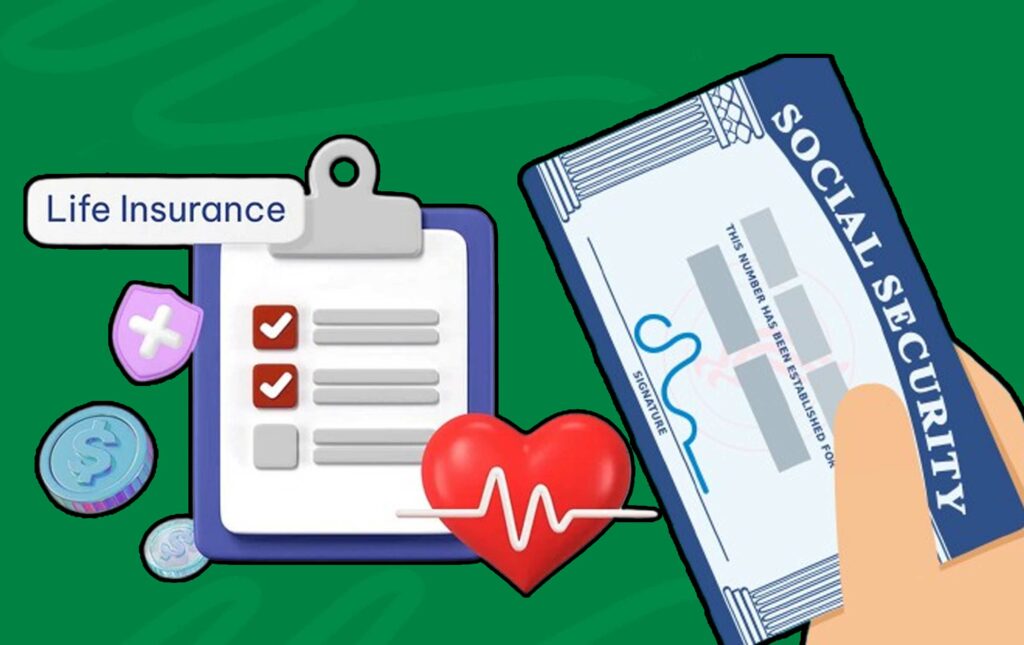
Does life insurance affect Social Security benefits? Many people often wonder whether their life insurance policy can affect their social security benefits or the amount they receive. The answer to this question depends on the type of life insurance policy you have and the type of benefits you are to receive.
Does Life Insurance Affect Social Security Benefits

Notwithstanding, given the significance of social security as a vital source of retirement income. Also, life insurance as a safety net for loved ones, it is imperative that we shed more light on this subject matter. This article aims to discuss the potential effects of life insurance on social security benefits and other useful information.

Does Life Insurance Affect Social Security Benefits?

The answer as to whether your life insurance will affect your social security benefits largely depends on the purpose for which you are collecting the benefits. If the primary purpose of collecting your social security benefit is retirement. Your life insurance policy will most likely not pay out.

However, if you have any form of disability and rely on the Supplemental Security Income (SSI) program, owning a life insurance policy could potentially impact your eligibility or benefits.

On the other hand, if you are the beneficiary of a life insurance policy. And are applying for Social Security retirement benefits, the life insurance payout will not affect those retirement benefits.

This is because the payout will be considered a fortuitous income, and for this reason, it won’t have an impact on the benefits you’ll receive for your retirement.

What If I Want To Use The Cash Value On My Life Insurance Policy?

Social Security benefits generally do not consider investment income, pensions, or inheritances when determining how much benefit you will receive. Therefore, receiving dividends from a whole life policy or obtaining a loan against the cash value of your life insurance policy should not have an effect on your Social Security retirement benefits.

Will Life Insurance Affect Social Security Disability Benefits?

Life insurance typically does not affect Social Security Disability Insurance (SSDI) benefits. SSDI eligibility is determined by an individual’s work history and their contributions to Social Security. Rather than by assets or benefits derived from life insurance policies.

However, if you have a cash value life insurance policy and you borrow against it or withdraw funds, this action may have implications for eligibility for Supplemental Security Income (SSI), which is a program based on financial need. It is advisable to seek guidance from a financial advisor. Or a Social Security representative to have a better understanding of how your particular circumstances may be affected.

Can You Have Life Insurance While on SSI?

Yes, it is possible to have life insurance while receiving Supplemental Security Income (SSI). But there are important factors to consider. SSI is a needs-based program with stringent asset limits, generally permitting individuals to possess no more than $2,000 in countable resources (or $3,000 for couples).

Term life insurance generally does not build cash value and is not considered an asset. This ultimately enabling individuals receiving SSI to retain these policies. Conversely, whole life insurance policies often build cash value. This may be counted towards the asset limit and could potentially influence your eligibility for SSI benefits.

If you own a whole life insurance policy, it is crucial to comprehend its cash value and its effect on your overall resources. The Social Security Administration (SSA) has established specific regulations concerning life insurance and its implications for SSI eligibility. Hence the need to seek advice from a financial advisor or an SSA representative.

Do You Need Social Security for Life Insurance?

Regardless of whether or not you receive social security benefits, you can purchase a life insurance policy for yourself. You can purchase life insurance from private markets and insurance companies irrespective of whether you have access to social security benefits.

Nevertheless, for those who want to receive social security benefits from life insurance. It is important that you fulfill the eligibility requirements. In essence, you have to be considered eligible for social security benefits before you can receive them. Individuals are required to pay into the social security system for a minimum of 10 years before they can be eligible for social security benefits.

To help you in making informed choices, weigh your options to determine if it is wise to have both life insurance and social security. The decision should be based on your needs and long-term financial goals.

Bottom Line

When shopping for life insurance, one of the things you should put into consideration is the impact of life insurance on social security and retirement benefits. We strongly advise you to consult with a financial advisor who can help you navigate the insurance market better. We also encourage you to read the fine print of your policy thoroughly to have a better idea of what it covers. Check the type of policy you have, the term, and the coverage options, just to be on the safer side.
Does Insurance Cover CPAP Machines

0

Does my insurance provider cover CPAP machines? Have you recently been diagnosed with obstructive sleep apnea? A Continuous Positive Airway Pressure (CPAP) machine might be just what you need for improved sleep. While CPAP machines are often highly effective, they can also come with a significant price tag.

Does Insurance Cover CPAP Machines

And because of how expensive CPAP therapy is, it is normal to wonder if your insurance providers will help to cover it. In this article, we will cover most of the insurance information surrounding continuous positive airway pressure machines. Read on to the end to know more about If Insurance Cover CPAP Machines.

What are CPAP Machines?

CPAP machine therapy is a very popular treatment for obstructive sleep apnea (OSA), where an individual breathing stops and starts repeatedly during sleep because of blocked or narrowed airways. These machines are often the first choice for treating obstructive sleep apnea because they are proven to be effective.

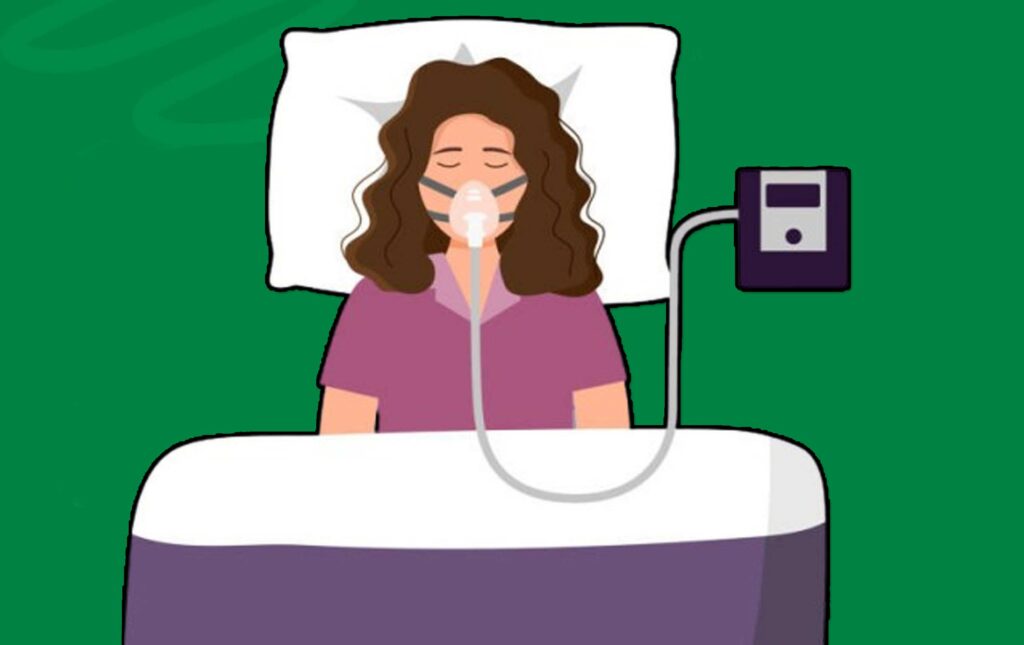
Continuous positive airway pressure machines work by blowing pressurized air into the upper airway, preventing it from collapsing and causing breathing pauses.

Usually, a CPAP machine includes:

  • A motor that helps to pressurize the air
  • A mask that can help to cover the nose or both the nose and mouth of the individual (some use nasal prongs that fit inside the nose or a tube that goes through the nose to the top of the throat)
  • Straps that helps to keep the mask in place
  • A tube connecting the mask to the motor.

Also, some machines have a heated humidifier to make them more comfortable; especially for individuals that has dry nasal passages or skin.

Will My Insurance Cover CPAP Machines?

Most health insurance plans do cover part of the cost of CPAP machines and related supplies. Although, the machines are usually partially covered, you might need to pay for items like tubing. Keep in mind that things like Replacement parts may also be covered, but there could be limits on how much reimbursement you can get each year. In many cases, insurance companies require you to meet your annual deductible before they begin covering the cost of CPAP equipment.

They also assess your eligibility for CPAP coverage based on your Apnea-Hypopnea Index (AHI), which indicates how many times per hour you stop or nearly stop breathing during sleep. To determine your AHI, you’ll need to undergo a sleep study either in a sleep lab or from the comfort of your home.

Sleep apnea can be mild (AHI 5-15), moderate (AHI 15-30), or severe (AHI over 30). Generally speaking, Medicare and Medicaid cover CPAP machines for all levels if you meet the insurer’s certain criteria. Other insurers might have different rules, so check your policy for details about the coverage.

CPAP Machines Requirements

Before most insurance providers will help to cover your CPAP equipment, you need to meet two specific requirements. First, you need a prescription for CPAP therapy from your personal healthcare doctor. Second, you must successfully complete a compliance period with the CPAP machine to demonstrate that you are effectively using the treatment.

To get a prescription, your healthcare doctor must confirm that your sleep issues are due to sleep apnea and not another type of condition. They will look for symptoms of obstructive sleep apnea, such as:

  • Loud snoring
  • Gasping or snorting while sleeping
  • Excessive daytime sleepiness
  • Forgetfulness
  • Headaches
  • Drowsiness or falling asleep when you are driving.

If these symptoms suggest sleep apnea, you’ll need to take a sleep study. And just as I have mentioned above, this can easily be done overnight in a lab (polysomnography) or at home. After reviewing the sleep study results, your healthcare provider might diagnose you with sleep apnea and develop a treatment plan.

To get reimbursement, the Centers for Medicaid and Medicare (CMS) require that you submit proof that you make use of the CPAP machine at least 4 hours per night, on seventy percent of nights, in a consecutive 30-day period. Most machines track your usage automatically. Some connect to a phone app and transmit data, while others make use of an SD card.

If you don’t meet these set requirements within the first three months, you may need to restart the process from the very beginning. Each insurance provider has its own specific rules for this coverage. Check your policy to understand the requirements of your provider.

CPAP Machines Cost

Always keep in mind that the machine terms totally depend on your provider. Some of them will cover the cost of purchasing this machine, while others may require a plan in which you must make use of the machine for a specific amount of time before it becomes yours. The cost of purchasing this machine can start from $250 to $1,000 or even more. This may depend on your location and the type of therapy machine that you need.

If you go for the rent-to-own structure, your monthly fee will equal the cost of the machine divided by the rental month’s number. Just so you know, your insurer will split the cost with you. And the amounts you pay totally depend on the policy that you have. Keep in mind that if you decide to put a stop to this treatment and want to try it later, the insurer may ask you to restart the qualification process.

Does Medicare Cover CPAP Machines?

Medicare covers CPAP machines and supplies for people that are diagnosed with obstructive sleep apnea (OSA) who regularly use and take advantage of the device.

Generally, Medicare provides insurance to people over 65 or with certain disabilities. And in order to get coverage for a CPAP machine, you need to meet with a doctor, undergo a sleep study, and be diagnosed with OSA.

This plan usually covers the first three months of CPAP machine rental. After that, you and your doctor must show that the device is being used regularly and that your symptoms have improved. After renting the machine for 13 months, it will become your property. But Medicare will continue to cover the supplies as long as you keep using it.

During the 13 months of renting, keep in mind that you will have out-of-pocket costs. And this is because Medicare requires you to meet a deductible and pay 20% coinsurance.

To get this coverage, your healthcare providers and equipment suppliers must be enrolled with Medicare. Unfortunately, If your supplier is not registered, you might have to pay the whole price for the machine even if your doctor prescribes CPAP therapy.

Bottom line

Generally , insurance plans can help in reducing the cost of a CPAP machine. However, if your policy comes with very high deductible, you may decide to buy the machine by yourself without insurance. You may be able to locate manufacturers that have lower prices than the ones from your insurance plan.

 However, ensure that the devices you want to purchase are approved by the FDA. Always remember that whether you choose to make use of insurance or not, medical equipments sellers may mandate you to have a CPC prescription to sell the machine to you. This means that your healthcare provider still have to conduct a sleep study in order to diagnose you. Once you get the prescription, you can decide whether to purchase the equipment or go with your insurance policy.

Does Pet Insurance Cover Cancer Treatment

0

Does Pet Insurance Cover Cancer Treatment – Responsibilities and joy are associated with owning a pet, including ensuring that your furry friend’s well-being and health are on a good level. Similarly to humans, pets experience severe health conditions, and cancer is not an exception. As a responsible pet owner, it is only impulsive to want the best for your furry companion.

Does Pet Insurance Cover Cancer Treatment

However, one of the discouraging factors is the cost of cancer treatment. This prompts the question: does pet insurance cover cancer treatment? To find an accurate answer to this question, keep reading. We will be exploring the nuances of pet insurance coverage and to what level it offers coverage. Without further ado, let’s get into it.

Top Cancer Warning Signs

Here are some of the warning signs of cancer in pets that you need to look out for and pay attention to:

  • Changes in appetite.
  • Obvious changes in skin or coat.
  • Sudden weight loss.
  • Persistent lameness or mobility problems.
  • Lumps or swellings.
  • Weakness.
  • Difficulty eating or swallowing.
  • Behavioral changes.
  • Persistent coughing.
  • Changes in bathroom habits.
  • Difficulty breathing.

If you notice any of these signs, make sure you take your pet to the veterinarian for proper diagnosis and examination.

How Does Cancer Coverage Work?

How does pet insurance coverage work for cancer treatment? Typically, treatment, diagnosis, and associated expenses are covered by the insurance company. However, pre-existing conditions are not covered by pet insurance.

Additionally, quotes come with deductibles, exclusions, limits, and waiting periods. Hence, you need to go through the terms and conditions of your insurance policy to understand more and find out if it meets your budget and needs. Besides, most pet insurance providers offer coverage as long as the pet was enrolled before it was diagnosed.

Types of Pet Cancers

These are some of the most common types of cancer that can affect a pet in any household:

  • Melanoma—cancer of the skin.
  • Lymphoma—cancer of the lymphocytes.
  • Squamous Cell Carcinoma—Growth of cells on the skin.
  • Osteosarcoma—cancer of the bone.
  • Mast Cell Tumors—Skin tumors from mast cells.
  • Mammary Gland Tumors—Cancer of the breasts.
  • Histiocytic Sarcoma—Cancer of the histiocytes (immune cells).
  • Hemangiosarcoma—cancer of the blood vessels.
  • Brain Tumors—Growth of cells in the brain or near it.
  • Transitional Cell Carcinoma—Cancer of the urinary bladder and urethra.

This is a list of the most common types of cancers that affect pets. However, keep in mind that every cancer type might have different symptoms. Hence, certain treatment approaches and diagnoses will be conducted.

Does Pet Insurance Cover Cancer Treatment?

Yes, a comprehensive pet insurance policy typically covers cancer treatment. However, this is as long as the quote or policy is still active before the pet’s cancer cells develop.

If a pet already has cancer and the pet owner purchases a pet insurance policy, the insurance company will not offer protection or coverage because that is considered a pre-existing condition. Nevertheless, if the pet is later diagnosed with another form of cancer, the insurance provider might cover the treatment cost.

On the other hand, although accident-only pet insurance is cheaper than a comprehensive policy, cancer treatment is not covered. This form of insurance only pays more attention to injuries, bite wounds, broken limbs, eye injuries, accidental poisoning, and more. Chronic illnesses and conditions are not also covered.

How Do You Know If Your Insurance Policy Offers Coverage?

If you are not sure whether your pet insurance policy offers cancer treatment coverage, check the details of the policy carefully to understand the level of coverage for such treatment.

Some quotes have limitations and exclusions based on pre-existing conditions, specific treatment options, and the type of cancer. Additional insurance coverage may differ based on the overall health of the pet at the time of enrollment and the breed of the pet.

Pet Cancer Treatment Costs

The average cost of cancer treatments for cats is $2,800 and $4,100 for dogs. However, this amount is determined by the veterinarian clinic and the type of pet.

According to research, the average annual coverage for cats per month is $28 and $35 for dogs. However, if you want the best deals, compare pet insurance policies from different providers.

Pet Insurance Companies that Cover Cancer Treatment

Since a comprehensive pet insurance policy should cover cancer treatment, then getting a policy will not be too hard. If you do not know, here are some of the insurance companies that offer cancer-related medical expense coverage to pet owners:

  • Lemonade.
  • Fetch.
  • Prudent Pet.
  • Figo.
  • Healthy Paws.
  • Spot.
  • ASPCA.
  • Toto.
  • Pumpkin.
  • Embrace.
  • Pet’s Best.
  • TrustedPals.
  • Nationwide.
  • Trupanion.

Remember that the cost of insurance from these pet insurance policy providers may differ. Thus, it is important that you compare. This will help you find a good insurance company and quote for the needs of your pet and your budget.

Does Pet Insurance Cover Euthanasia

0

Does Pet Insurance Cover Euthanasia – One of the hardest decisions a pet owner can make is to euthanize their pets, as this is often accompanied by both financial and emotional difficulties. As veterinary costs continue to skyrocket, many pet owners often wonder if pet insurance covers the cost of euthanasia. The easiest way to know if your insurance policy will pay for the price of euthanasia is by understanding the specifics of your policy, i.e., what it covers and what it does not.

Does Pet Insurance Cover Euthanasia

For more clarity about pet insurance and coverage for euthanasia, we would discuss factors that affect this coverage. And other alternatives for handling your pet’s end-of-life expenses. Having a substantial understanding of this sensitive topic is crucial, as it helps pet owners better navigate the nuances of pet ownership.

What Is Pet Insurance?

Pet insurance is a type of insurance policy specifically designed to protect pet owners from financial loss associated with taking care of a pet. In the event of an illness, injury, or accident, your pet insurance policy will cover all related expenses up to the limit of your policy. Essentially, pet insurance offers absolute peace of mind to pet owner. Thus knowing fully well that your pet is adequately covered if an unexpected situation were to occur.

Nevertheless, it is important to have an understanding of what your pet insurance policy entails. This would enable you to know the type of coverage it offers and its exclusions.

Does Pet Insurance Cover Euthanasia?

The applicability of coverage for euthanasia largely depends on the type of pet insurance policy you have. So, the answer as to whether pPet Insurance Cover Euthanasia will be determined by the type of policy you bought. There are certain policies that include euthanasia as a feature of end-of-life coverage, but it is not always the case in other policies.

If you are a pet owner who is on the lookout for an insurance policy that covers euthanasia, ensure you read the fine print of your policy thoroughly. You can also ask your insurer to provide pet insurance policies that offer coverage for euthanasia.

Factors to Consider When Choosing Pet Insurance

In the process of choosing a pet insurance policy, there are several factors you need to put into consideration. Highlighted below are some of them.

  • Premiums
  • Deductibles
  • Coverage limits
  • Coverage amount
  • Waiting periods
  • Pre-existing conditions
  • Co-payment percentage

The aforementioned factors have a huge impact on the overall cost of a pet insurance policy, including the specifics of the coverage. If you want end-of-life coverage for your pet, speak to your insurance company about it.

Alternatives to Pet Insurance for Euthanasia Coverage

Like we mentioned before, not all pet insurance policies offer coverage for euthanasia. Per adventure, your policy does not cover end-of-life expenses for your pet; worry less. There are other alternatives you can explore. Here are four valid options to consider for covering the cost of euthanasia for your pet:

Personal Savings:

It often makes sense to set aside a specific amount of money with the primary aim of covering end-of-life expenses for your pet when needed. This guarantees peace of mind and financial security in the event that you lose your pet unexpectedly.

Payment Plans:

There are several veterinary clinics that offer installment payment plans to pet owners who seek euthanasia costs for their companion. Typically, you will be required to pay either monthly or quarterly, depending on the veterinary clinic you are working with.

Charitable Organizations:

Aside from your personal savings and payment plans, there are charitable organizations you can reach out to for financial assistance towards your pet’s end-of-life costs.

Pet Memorial Funds:

There are certain pet owners that set up memorial funds in honor of their pets, with the primary aim of helping other pets who need financial help. You can reach out to them for help.

How to File a Claim for Euthanasia on Your Pet Insurance Policy

Losing a beloved companion can be devastating and traumatic at times. But you can still ensure they pass on safely with your pet insurance policy. If your policy offers coverage for end-of-life care, you can file a claim with your insurance company to relieve you of financial burden.

To file a pet insurance euthanasia claim, you will be required to get a confirmation from your veterinarian to ascertain that the procedure is indeed worth it. It is also important to consider the waiting period on your policy before coverage applies. You have to wait till the waiting period on your policy is over before you can proceed with euthanasia.

To make the claim process easier, some insurance companies may allow you to file a claim online via email or fax. All you have to do is submit a copy of the treatment invoice. Then leave your insurer to review the claim. As soon as the claim is approved, you will be reimbursed up to the limit of your policy, but remember you also have to pay a deductible amount as well.

Bottom Line

Whether pet insurance covers euthanasia primarily depends on the type of policy you have and the insurance company you are working with, as coverage can differ greatly among policies. Euthanasia may be covered by some pet insurance policies as part of end-of-life care or related expenditures, but other policies may not cover it at all, leaving pet owners responsible for paying for it themselves.

The financial strain at such a tragic period can be lessened by looking into alternate solutions for handling end-of-life costs. In the end, knowing your pet insurance can enable you to make sensible choices for your cherished animal friend when it matters most.

Does Renters Insurance Cover a Locksmith

0

Does renters insurance cover a locksmith? Renters insurance is essentially shields renters against unexpected situations, such as liability claims, theft, and damage to personal property. However, many renters may be curious about the scope of their coverage in relation to some circumstances, such as needing a locksmith. Regardless of whether you’ve misplaced your keys. Or you just need to replace your locks for maximum protection. It is important you know whether your renters insurance will pay for locksmith services is essential.

Does Renters Insurance Cover a Locksmith

In this comprehensive article, we would shed more light on the specifics of renters insurance with regards to locksmith coverage. This includes what is usually covered, exclusions, and useful tips on how to handle this type of circumstance. By providing more clarity about this, tenants can better manage their claims.

Does Renters Insurance Cover a Locksmith?

Unfortunately, if you find yourself in a situation where you are locked out of your home. Your renters insurance will not cover the cost of locksmith services. This typically means that you will be responsible for paying out-of-pocket all expenses incurred from the services rendered by the locksmith.

Nevertheless, there are certain cases where you won’t need to cover the expenses on your own, i.e., if your lease specifies that your landlord’s property insurance will provide coverage for lock and key replacement. In essence, your renters insurance policy will most likely not cover the cost of replacing. Or repairing locks and keys, but it is possible to be covered by your landlord’s insurance.

When Does Renters Insurance Cover a Locksmith?

The only scenario where your renters insurance policy will cover the cost of a locksmith service is when the damage is caused by a covered theft. Renters insurance is specifically designed to offer financial protection. And security in the event that your personal property gets stolen or damaged due to fire, lightning, smoke, and other covered perils. Your policy will provide coverage for replacing a lock if it is caused by a covered incident, like theft.

In a situation where your home was burgled and you lost many of your prized items and personal belongings. You can file a claim with your insurance company for coverage. If your insurer approves the claim, then you will be reimbursed for the cost of repair and replacement up to the limit of your policy.

When Does Renters Insurance Not Cover a Locksmith?

Renters insurance does not provide coverage for a locksmith service, but you may be covered by your landlord’s insurance. If the lease agreement states that your landlord will be responsible for the cost of replacing and repairing locks and keys, then he/she would be the one to pay for all related expenses. Having established that your renters insurance policy will only offer protection in the event of a covered theft, let us shed more light on other instances where it won’t offer coverage for a locksmith.

  • Mechanical breakdowns
  • Locked car
  • Roadside assistance
  • Floods, earthquakes, and other natural disasters
  • Lack of maintenance.

If your lock or key got damaged due to the aforementioned incidents, your renters insurance policy will not cover the cost of repair or replacement.

What Should I Do If I’m Locked Out Of My Apartment?

If you find yourself in a situation where you are locked out of your home, don’t overexert yourself. Before reaching out to a locksmith to help open the door, you can make use of spare keys, if any. On the other hand, try to remember if you gave any of your close friends or family members a copy of your key, as this would come in handy.

You can also check if the other entrance that leads to your main apartment is unlocked. If there is a way you can get it through the back door or balcony door, it will save you a little stress. If this does not work out, you can then contact your landlord and inquire if they have spare keys for your apartment. Some landlords may have spare keys for each apartment on their property; if you can access this, then you can easily get into your apartment.

In a worst-case scenario where these options do not work out. It is advisable to reach out to a locksmith or any other professional.

FAQs

Can I add coverage for locksmith services to my renters insurance?

Well, the answer to this question largely depends on your insurance provider. Some insurers may offer additional coverage and endorsements for those who need coverage for locksmith services. Nevertheless, it is important to reach out to your insurer to confirm if they provide additional coverage for locksmith services.

When does renters insurance pay for a locksmith?

There are certain scenarios where your renters insurance policy may be able to cover the cost of replacing or repairing a broken key or lock. Let’s say a break-in occurred, and you need to change your lock for security reasons. Your policy can cover all related costs. Most often, renters insurance provides coverage for locksmith coverage only in theft and vandalism claims.

Should I file a claim for locksmith service on my renters insurance?

Of course, you can file a claim for locksmith, provided it is a theft incident. Most insurers require policyholders to file claims within a day or two after the incident occurred. When you file a claim, your insurer will assign an adjuster to ascertain the eligibility of your claim. Once your claim is approved, you will be reimbursed up to your policy’s limit.

Does Pet Insurance Cover Pregnancy

0

The question of whether pet insurance covers pregnancy is increasingly relevant as pet ownership continues to grow. Many pet owners are understandably concerned about the health and well-being of their animals, particularly during the reproductive phase. A frequent inquiry among these owners is, “Does pet insurance cover pregnancy?” Given that coverage can differ widely regarding prenatal care and delivery, it is crucial for pet owners to familiarize themselves with the specifics of their insurance policies to ascertain whether pregnancy-related expenses are included.

Does Pet Insurance Cover Pregnancy

To ensure that your pet receives optimal care during this significant period, we will explore the details of pet insurance in relation to pregnancy. It is advisable to read through the entire discussion to obtain comprehensive information.

Does Pet Insurance Cover Pregnancy?

In summary, pet insurance generally does not extend coverage to pregnancy or any associated complications. Most pet insurance plans are structured to address unforeseen and unavoidable circumstances, such as accidents, illnesses, or injuries. Since pregnancy is typically regarded as a planned and preventable condition, standard pet insurance policies do not encompass related costs.

Nevertheless, some insurance providers acknowledge the requirements of breeders and those who unexpectedly discover that their pet is pregnant. If your insurance provider offers breeding plans, it may include coverage for expenses related to pregnancy.

Is There Any Pet Insurance Policy That Covers Pregnancy?

Fortunately, certain pet insurance policies feature wellness plans designed to assist with costs associated with preventive care, including spaying and neutering.

These wellness plans aim to help pet owners avoid the occurrence of pregnancy, as any resulting costs from an unplanned pregnancy will not be covered by your insurance policy. Consequently, you will be responsible for any expenses related to your pet’s pregnancy and any complications that may arise.

Pet Insurance Companies That Cover Pregnancy

Most pet insurance providers do not include coverage for pregnancy and related birth complications. Nevertheless, certain companies, such as AKC and Trupanion, do offer breeding coverage for pet owners. Below is a detailed overview of how various pet insurance providers address pregnancy coverage:

CompanyOffers coverage for pregnancyOffers coverage for pregnancy as an add-on
LEMONADENoNo
FETCHCovers life-threatening complicationsNo
SPOTNoNo
EMBRACENoNo
TRUPANIONNoYes
AKCNoYes
FIGOCovers life-threatening complicationsNo

Alternatives to Pet Insurance for Pregnancy Coverage

Having established that pet insurance typically does not cover pregnancy, it is important to explore alternative options for financing your pet’s pregnancy. Several alternatives are outlined below:

Personal Savings:

One effective method for managing the expenses associated with your pet’s pregnancy is to create a dedicated savings account for their healthcare needs. Funds from this account can be utilized to cover any arising costs, providing you with peace of mind.

Payment Plans:

Another viable option is to consider payment plans, especially if your pet insurance does not extend to pregnancy. Some veterinary clinics offer the possibility for pet owners to distribute healthcare costs over a designated period. Inquire with your veterinarian about available payment plan options.

Pet Health Credit Cards:

Certain insurance providers offer pet health credit cards specifically designed to cover veterinary expenses. This can be a cost-effective solution if the balance is repaid within the timeframe specified by the provider.

Personal Loans:

While the high interest rates associated with personal loans may deter many individuals from pursuing them, they can serve as a suitable solution in urgent circumstances. For instance, if your pet experiences serious complications during pregnancy, obtaining a loan could facilitate the payment of treatment and related expenses.

Speak with Your Vet:

Another effective strategy for managing the expenses associated with your pet’s pregnancy is to engage in a discussion with your veterinarian. Addressing your financial concerns with your vet is unlikely to be overly burdensome. They may be open to providing discounts to assist with your pet’s pregnancy needs.

FAQs

Is it possible to obtain pregnancy coverage for a pet that is already pregnant?

Regrettably, if your pet was already pregnant at the time of policy purchase, pet insurance will not provide coverage. Many insurance providers classify pregnancies as pre-existing conditions, which are typically excluded from coverage. However, you can secure coverage for future pregnancies by selecting an appropriate policy or adding a pregnancy rider for enhanced protection.

Are there circumstances under which pregnancy is covered?

Indeed, certain pet insurance policies may extend coverage for complications that arise during pregnancy. If your pet encounters a significant complication requiring medical attention, coverage may be available depending on your specific policy and insurance provider.

Does pet insurance cover breeding?

Some insurance providers offer pet insurance plans that include coverage for breeding, particularly for those engaged in professional breeding. It is advisable to verify that the plan you select will provide coverage for your pet in the future before finalizing your purchase.

Does pet insurance cover spaying and neutering?

In general, pet insurance policies tend to include coverage for spaying and neutering procedures. However, it is prudent to review the specific terms and conditions of your policy to confirm this coverage.

Does Pet Insurance Cover Diabetes

0

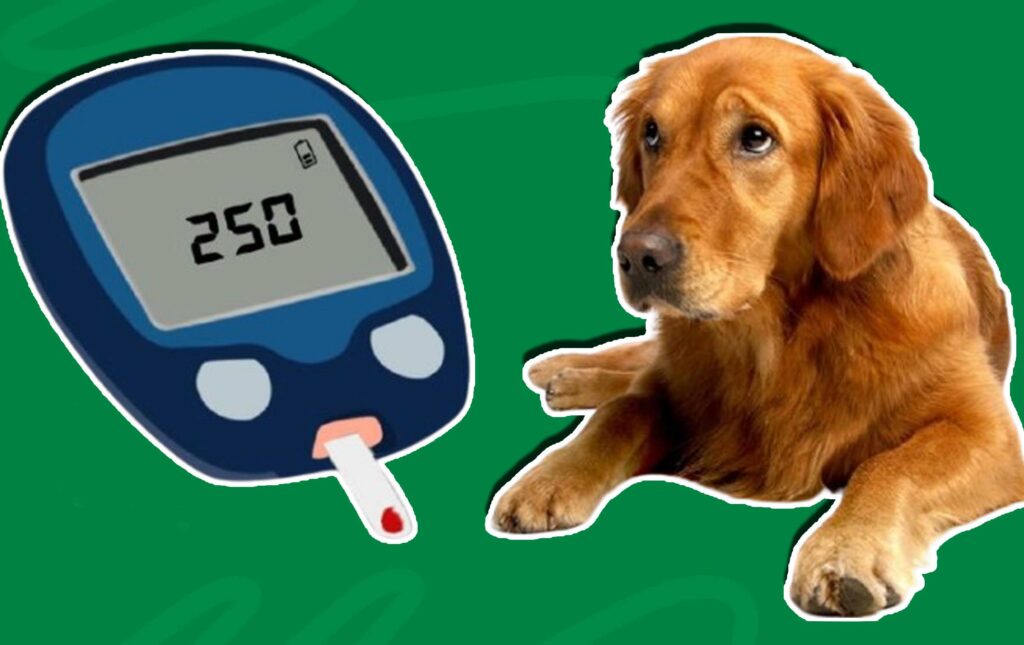
Pet insurance offers financial protection to pet owners. It is advisable to get pet insurance if you have a pet because it covers unforeseen financial expenses that are pet-related. It covers the financial expenses related to your pet. Expenses such as vet care are all covered under vet insurance, but does pet insurance cover diabetes?

Does Pet Insurance Cover Diabetes

Just like humans, pets also get diseases, which include diabetes. Under pet insurance, some policies cover health-related illnesses that may cover diabetes. These policies cover the medical bills and drugs of the pet. Unfortunately, diabetes will not be covered if your pet insurance policy does not cover it. This write-up contains all the information to answer the question.

Does Pet Insurance Cover Diabetes?

Whether or not pet insurance covers diabetes depends on when the insurance coverage was gotten as well as the type of insurance coverage purchased and the pet’s health condition as well as when the insurance was gotten. If your pet was insured before it had diabetes, pet insurance will only cover most of the costs related to the diabetes, but it’s a different case if your pet was diagnosed before the policy was gotten.

Your pet insurance will not cover diabetes at all as long as the insurance policy has not been gotten yet. For pet insurance to cover diabetes, the pet parent should have purchased an accident and illness policy before the illness is diagnosed. However, pet parents who purchase accident coverage alone will also not be covered for diabetes. Pet insurance, however, only pays up to a limit on policies.

Some pet insurance companies only pay up to a year on policies, while others have their limits. If your pet’s diabetes exceeds its limits, your insurance policy will not cover you after the end of its limit. This, however, depends on the pet insurance company. To avoid these, ensure you check the insurance limit and exclusions to keep you ready.

What Type of Pet Insurance Covers Diabetes?

If you have accident and illness insurance coverage over your pet, diabetes can be covered in some cases. Getting accident coverage alone does not cover diabetes, but getting it alongside illness coverage should cover some expenses related to diabetes. However, two types of pet insurance policies may cover diabetes.

These policies are lifetime policies and maximum benefit policies. The lifetime insurance policy covers the life of your pet, but it requires you to renew premium plans annually. The maximum benefits policy covers the cost of an ongoing illness such as diabetes but up to the limit stated on your policy.

What Pet Insurance Covers in Diabetes

Pet insurance that was gotten before the illness was diagnosed covers the cost of expenses related to diabetes. Most pet insurance companies have what they cover under insurance policies that cover expenses related to diabetes. Depending on the coverage stated on your policy, pet insurance covers the following expenses:

  • Veterinary exams.
  • Diagnostic imaging.
  • Insulin.
  • Glucose meters to test the pet’s insulin levels.
  • Urine test strips.
  • Blood testing.
  • Urinalysis.
  • Emergency veterinary care.
  • Syringes to administer insulin.
  • Specialized diabetic diet.

What exactly is covered under your coverage will be stated in your policy. However, no veterinary care is covered if the diabetes was diagnosed before the policy was taken or if the pet parent only purchases an accident-only plan.

When Should You Get Pet Insurance?

As soon as you get a pet, it is advisable to get pet insurance right away. You do not need to wait for an illness to strike before you get your pet insured. Getting pet insurance helps you get a free way through the medical-related expenses of your pet.

You do not have to bother about veterinary care, special food, or even monitoring devices because your pet insurance covers it. Getting pet insurance before diabetes symptoms appear allows your policy to cover related expenses for your pet’s diabetes.

Can I get Pet Insurance After my Pet has been Diagnosed with Diabetes?

Yes, you can get pet insurance after your pet has been diagnosed with diabetes. Unfortunately, the insurance will not cover your pet’s diabetes expenses. However, if you purchase coverage that covers pre-existing illnesses, related expenses to your pet’s diabetes will be covered. Most pet insurance policies do not cover pre-existing conditions.

Does Pet Insurance Cover Medication

0

Buying insurance for your pet can ease the financial strain of unexpected veterinary expenses. Depending on your policy, your provider may cover the cost of prescribed medications, special prescription diets, and long-term treatments for chronic conditions. Although pet insurance is valuable for all pets regardless of breed, an important question remains: does it cover medication expenses?

Does Pet Insurance Cover Medication

It is important to understand how medication coverage works with pet insurance. It helps you make an updated decision about your pet’s health and ensures it gets the best affordable care without affecting your budget. However, understanding what is and is not covered by your policy helps you select a coverage that works well for your pet and fits your finances.

How Medication Coverage in Pet Insurance Works

Medication coverage under pet insurance typically includes both short-term prescriptions and long-term treatments for chronic illnesses. Since pet insurance policies and coverage options vary greatly, it is important to understand the details of your plan, such as deductibles, reimbursement percentages, and annual or lifetime payout limits.

Some policies only cover medications after your deductible has been met, while others offer coverage immediately. Some plans may pay up to 90% reimbursement for medication coverage, while others may pay less.

Aside from this, the yearly or lifetime payout caps can reduce how much your insurer covers over time. For this reason, it is important to understand these to maximize your pet insurance benefits, making sure your pet’s medication is covered properly.

Does Pet Insurance Cover Medications?

Pet insurance can cover the cost of different medication ranging from sudden illness treatments to ongoing chronic condition management. Pet insurance coverage generally covers medication prescriptions needed for long-term health conditions.

However, the limit of coverage is different with every insurer, which makes it vital to compare different insurance plans for the best.

Does It Cover Chronic Medication and Prescription Medication?

While prescription drugs and chronic medications are not the same, it is important to understand the differences between them. Understanding these differences can help you avoid frustration and disappointment when you need coverage. Prescription medications provided for short-term conditions such as injuries or infections are typically covered by most pet insurance plans.

While chronic medications are used in managing long-term conditions such as diabetes or arthritis, their coverage varies widely. Some insurance plans cover them completely, while others cover them up to the policy limit. However, pre-existing conditions are not covered by this policy.

Are Prescription Foods Covered by Pet Insurance?

In addition to medication, most policies cover prescription food. Prescription foods are foods recommended by veterinarians to manage conditions like food allergies and kidney disease to support your pet’s health, especially for pets with chronic illnesses that need long-term diet management.

Although this type of prescription is not commonly included, it can be added to a pet insurance policy to support your pet’s health and help you save on costs. Prescription diet foods do not generally come very affordably, but a policy that covers it helps reduce the cost of these foods.

Medication Coverage in Pet Insurance Cost

Prescription and chronic medication costs can increase quickly, especially for chronic conditions that need to be managed regularly. Pet insurance can help lower these expenses, but it’s important to weigh your potential savings against the cost of premiums, co-pays, and deductibles.

Comparing these can help you determine whether or not the insurance plan you want will cover your pet’s medication cost properly. For example, if your pet requires daily medication for a chronic condition, your pet insurance premiums may rise to reflect the ongoing cost of treatment. In some cases, the cost of medication could even exceed your coverage limit.

Pet Insurance Companies that Offer Medication Coverage

Some of the best pet insurance companies offer pet medication coverage, including chronic, prescription, or both. Most of these companies offer coverage for prescription foods. However, remember that some coverage may be available only when higher-tier plans are purchased or special diet cases. The following are some pet insurance companies that offer medication coverage:

  • Embrace.
  • Health paws.
  • Manypets.
  • Nationwide.
  • Spot pet insurance.
  • ASPCA pet health insurance.
  • Figo.
  • Lemonade.
  • Metlife.
  • Pets best.
  • Trupanion.

These companies offer this coverage alongside accident and illness policies. Some offer prescription drugs alongside wellness insurance plans or as additional coverage.

Does Pet Insurance Cover Anxiety Medication for Dogs?

Yes, many pet insurance policies do cover anxiety medication for dogs, but only when it is prescribed by a veterinarian for a condition that is included in the policy. However, coverage can vary between insurance providers, so it’s essential to carefully review the specific terms of your policy.

Does Pet Insurance Cover Hip Dysplasia

0

Does my pet insurance policy cover issues like hip dysplasia? In order to provide pets with good medical care, many pet parents are buying more insurance policies for their furry friends. Although the policies do not cover routine wellness checks, they cover most serious illnesses or injuries and emergency care for dogs and cats.

Does Pet Insurance Cover Hip Dysplasia

As a pet owner who has insurance, it is a must to want to know what your policy covers. So, it is normal to see questions like “What does my pet policy cover? Does Pet Insurance Cover Hip Dysplasia?” on the internet. Well, if you want to know if your pet policy covers hip dysplasia, you are in the right article. Because this article contains everything you need to know. 

What is Hip Dysplasia all About?

Hip dysplasia is considered one of the most complex orthopedic issues. It mainly affect large dog breeds such as German Shepherds, Collies, Rottweilers, St. Bernards, and retrievers. However, it can also occur in smaller dogs and even cats. This genetic condition is inherited from the parents to their offspring.

When it comes to hip dysplasia, the hip socket (acetabulum) and the ball part of the femur (femoral head) do not match properly. And this leads to pain and difficulty in movement. This condition can affect one or both hips, and it is both painful and the treatment is very expensive.

One big problem about hip dysplasia is that owners often don’t realize their pet has the issue until the animal is in huge pain. Dogs might be diagnosed as young as a few months old, but sometimes symptoms will not show up until the dog is middle-aged or very old.

By the age of two, most dogs with the genes for hip dysplasia will show signs on an X-ray. However, the X-ray won’t really show how severe the condition will be or when symptoms will appear.

Does Pet Insurance Cover Hip Dysplasia?

Yes, most Pet Insurance Cover Hip Dysplasia, but just certain conditions. The key condition is that there should be no signs or symptoms of hip dysplasia before the policy commences or during its waiting period.

Many insurers have a waiting period that is mostly about six to 12 months, specifically for orthopedic problems such as hip dysplasia. Another important detail is the bilateral condition exclusion. This means that if your pet shows symptoms in one hip before or during the waiting period, the hip dysplasia issue in the other hip won’t be covered by the policy.

Pet Insurance Companies That Cover Hip Dysplasia

Based on our team’s thorough research, the following are the top insurers that cover animals with hip dysplasia.

  • Spot
  • Embrace
  • Fetch
  • Lemonade Pet Insurance

Spot

Spot Pet Insurance is a leading provider that covers dogs and cats for both illnesses and injuries, including hip dysplasia, as long as it is not a pre-existing condition. They cover pet expenses for exams, specialist care, alternative therapies, diagnostics, treatments, medications, and surgery related to hip dysplasia issues.

You can choose from various plans with annual coverage limits ranging from $2,500 to unlimited coverage. They reimburse 70%, 80%, or 90% of costs, with deductibles ranging from $100 to $1,000 per year.

There’s a 14-day waiting period before coverage commences. If your pet shows signs of the hip problem during this period or needs care, it won’t be covered as it will be considered as pre-existing.

Embrace

Embrace pet insurance may cover genetic and hereditary conditions such as hip dysplasia, as long as they’re not pre-existing conditions. They reimburse for vet visits, tests, rehab, treatments, and surgeries that are related to these conditions.

The insurer will cover both sides of a condition if neither side was pre-existing. However, if one side had prior care or a diagnosis, the other side won’t be covered in the future.

Note that there is a 14-day waiting period for illnesses, 48 hours for accidents. And six months for orthopedic issues like hip dysplasia. However, you can reduce the six-month waiting period to about 14 days by having your vet complete an orthopedic exam and waiver.

Embrace does not impose lifetime coverage limits for your pet. Pet owners can choose an annual limit between $5,000 and $30,000 and select a reimbursement rate of 65%, 70%, 80%, or 90%, with an annual deductible ranging from $200 to $1,000.

Fetch 

Fetch will cover hip dysplasia as long as it’s not a pre-existing condition. They will cover expenses for exams, tests, treatments, surgery, and more related to this condition.

You can customize your plan with reimbursement options of 70%, 80%, or 90% and choose annual deductibles of $300, $500, or $700.

This insurer has a waiting period of up to 15 days for injuries and illnesses, depending on your state. For hip and knee issues, the insurer imposes an additional six-month waiting period. If your pet shows signs of hip dysplasia before this six-month mark, the policy won’t be covered as it’s considered pre-existing.

Lemonade

Lemonade’s basic pet insurance will help cover surgery costs for hip dysplasia, minus your deductible and co-insurance. This helps ease financial strain while making sure that your pet gets important care.

To qualify, your dog or cat must not show signs of hip dysplasia when you purchase the policy or during the 30-day waiting period. Just like the other insurers on this list, if hip dysplasia develops in one hip after enrollment, any future issues in the other hip won’t be covered due to being pre-existing.

Lemonade also provides a physical therapy add-on that will help cover rehabilitation costs, crucial for recovery after hip dysplasia surgery. Starting coverage early, even as early as two months old, makes sure that your pet receives comprehensive care, including surgery and post-operative support. It helps in promoting their overall health and your peace of mind.

You can easily design your Lemonade policy with annual limits ranging from $5,000 to $100,000, reimbursement rates of 70%, 80%, or 90%, and deductibles of $100 to $750.

Is Pet Insurance for Hip Dysplasia a Good Choice?

Pet insurance for hip dysplasia is a very good option if you purchase the policy before your pet shows any signs of the condition. Otherwise, it will be considered a preexisting condition, and you won’t get coverage for any related expenses.

Signing up while your pet is very young and healthy could save you a lot of money because treating hip dysplasia is always very expensive. Treatments often involve surgeries such as a triple pelvic osteotomy or femoral head osteotomy, and this can cost $6,000 or more.

Employment Practices Liability Insurance

0

Employment practices liability insurance (EPLI) is a type of policy product made to protect employers against claims made by employees for illegal acts such as wrongful termination, discrimination, harassment, or retaliations. It helps to pay for the legal expenses of defending your business from employment related issues.

Employment Practices Liability Insurance

Employment practices liability insurance will help protect your business from different claims by your former or current employees and even job applicants. It’s a very essential part of your small business insurance policy. Small business such as retail shop, doctor’s office, contractor and restaurants could all face employment liability claims. You can purchase the policy today and protect your small business financially from different kinds of lawsuits  

What Does Employment Practices Liability Insurance Policy Cover?

These policies are written to cover a wide range of employee practices claims. And they include;

  • Age discrimination
  • Disability discrimination
  • Employee benefits mismanagement
  • Racial discrimination
  • Sexual discrimination
  • Sexual harassment
  • Unequal compensation
  • Unlawful compensation
  • Slander and libel
  • Privacy invasion
  • Mental or Emotional distress
  • Breach of contract of employment
  • Wrongful demotion or termination

The coverage may also cover inappropriate workplace conduct claims such as failure to promote, defamation, failure to rehire and many more.

What Employment Practices Liability insurance does not cover?

Below are some of the events that employment practices liability insurance does not cover;

  • Dishonest acts
  • Intentional acts
  • Bodily injury claims
  • Property damage
  • Employee lawsuits over workplace injuries
  • libel lawsuits and third-party slander
  • Professional negligence

Who should purchase Employment Practices Liability Insurance?

It is advisable to purchase this policy if you have employees. It is usually sold as an optional coverage. This means you will have to add it to your business policy. The policy may apply to different employees who work for your organization. This includes;

  • Part-time
  • Volunteers
  • Full-time
  • Independent contractors
  • Former employees
  • Vendors
  • Employment candidates
  • Seasonal
  • Temporary

Generally, regardless of the industry, any business with more than one employee or that deals with the public should consider this coverage. A company can be sued for wrongful acts either externally or internally. And EPLI coverage will help to protect the organization’s financial position.

How much Does Employment Practices Liability Insurance Cost?

According to Insureon, the average cost of this liability insurance policy is $2,185 in a year. The cost of your business’s EPLI (Employment Practices Liability Insurance) will vary based on several factors, including your industry, revenue, number of employees, past claims history, hiring and termination practices, and whether you have established employee policies and procedures in place. The percentage of employees that have left or turned over your company may also influence the cost of the policy.

You can purchase employment practices liability insurance as an add-on to a general liability policy or a business owner’s policy.   You can also go for standalone policies. Small businesses can also combine this coverage with their directors and officers insurance. Director and officer insurance is another managed liability insurance designed to protect officers and directors of an organization if they get sued by customers, employees, or vendors.

How to Purchase the Best Employment Practices Liability Insurance

Different small businesses choose the cheapest insurance policy, but that can be a big mistake. They should first know their risks with an insurance expert who understands EPLI coverage. After spotting potential risks that can affect the company, the company can then tell the expert to help gather quotes from various insurers to compare and find the best fit.

To reduce the risk of an employment practices liability claim, employees can consider the below steps:

Create an Employee Handbook:

Outline workplace policies, rules, procedures, and how to handle complaints and discipline. This handbook should contain an equal employment opportunity statement.

Define Job Roles:

Write clear job descriptions for all the positions in the organization, detailing required skills, qualifications, and performance expectations.

Conduct Performance Reviews:

Ensure you regularly review employee performance, document the results, and put them in the employee’s file.

Screen Candidates Carefully:

Develop a hiring process that removes unsuitable applicants before the interview stage.

Use a Good Employment Application:

Create an application that includes an equal employment opportunity statement. And mentions that employment is “at-will.” This means it can be ended at any time for any reason. Avoid asking for age-related details like the graduation dates.

Conduct Background Checks:

Always check the backgrounds of job applicants.

You have toestablish a policy against harassment, substance abuse, and discrimination. And maintain an open-door policy for reporting violation issues without fear. Finally, set up a system to document employee issues and how they were resolved.