Home Blog Page 26

How Do Points on Your License Affect Car Insurance

0

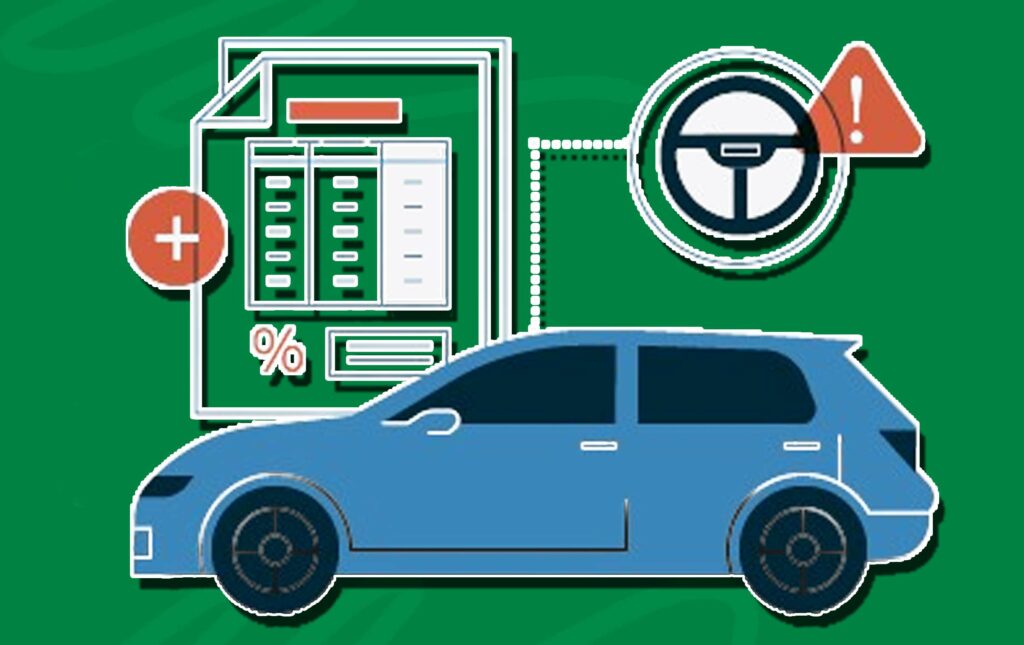
Every driver may already know that their driving record has an impact on their insurance premiums. Insurance companies generally consider different factors, including license points, when determining your insurance premiums and rates. But how do points on your license affect car insurance?
How Do Points on Your License Affect Car Insurance

Most states use driver’s license point systems to identify violations, while insurance companies use these points to determine insurance rates. It is possible that points on your license can affect your car insurance. It is important to know how points on your driver’s license affect your car insurance. Aside from age, gender, driving record, and other factors, license points can also affect your insurance.

There are different ways points can affect your car insurance premiums and rates. It may lead to higher premiums and rates, making insurance quite costly for policyholders. It may also cause your insurance company to consider you a high risk, which leads to higher rates. This write-up contains all the insights you need to know about how your car insurance is affected by points on your license.

What are Driver’s License Points?

As previously stated, most states use driver’s license point systems to track driving violations and check out the severity of different events. Drivers may get points on their driver’s license after getting a speeding ticket or other violations such as running a red traffic light.

Your license may be suspended in most states if you get a specific number of points on your license. The number of points drivers can get on their license varies by state. Any driver who exceeds these numbers will face certain penalties. However, every moving violation has several points added to your license.

How Do Points on Your License Affect Car Insurance Rates?

Insurance companies review your driving record when evaluating insurance rates. When checking your driving records, insurance companies pay more attention to points on your license. Insurers generally charge higher rates for events that may also get you points on your driver’s license. These events that may earn you points include reckless driving, speeding, driving under the influence of drugs, and distracted driving.

Insurance points are the system used by insurers to trace driving records and are more effective than a simple point system. These points vary by insurance companies. Some insurance companies increase insurance rates at renewal for drivers who recently get points for speeding, while others may have much higher rates for drivers who text and drive.

However, some states do not make use of driver’s license point systems; drivers may likely see a surcharge after a renewal of insurance policies for driving violations. Also, having points on your license can impact your car insurance rates if you decide to switch insurers or purchase a new car insurance policy.

Can I Prevent Points on My License From Affecting My Car Insurance?

Every state has different laws concerning license points. You may be able to prevent license points from affecting your car insurance by getting rid of them on time. Over time, these points may fall off, and you may be able to get rid of them by attending traffic school or taking an approved defensive driving course.

Drivers who have points on their license may consider checking policies around the removal of points with their state’s Department of Motor Vehicles. While it is possible to get rid of points, your violations will remain on your driving record. It is a good idea to remove these points on your license, but car insurance companies will still review violations related to these points.

How Can I Reduce the Effect of Car Insurance Rates Due to Points on Your License?

If your car insurance rates increase due to points on your driver’s license, there are several ways you can reduce them. The following are some ways you can reduce your insurance rates caused by points.

Take a Driving Class:

Most car insurance companies offer discounts for drivers taking an approved defensive driving or driver’s education course.

Take Advantage of Other Discounts:

Car insurance companies offer quite a few discounts for eligible drivers. Selecting a car insurer that has multiple discounts is a good way to save on insurance premiums. Some of these discounts include paid-in-full, bundling, and good student discounts.

Check Around for New Policies:

If you have tried everything you can with your current insurer to reduce your insurance rates, but it’s not working out, you can consider searching for a new car insurance company for policies preferable for you.

Improve Your Credit:

The use of credit to determine insurance rates is not approved in most states. In states that allow the use of credit, it is a good idea to work on your credit to reduce rates.


How Does Age Affect Life Insurance

0

Several factors affect life insurance premiums and one of those factors is age. Insurance companies consider your age and other factors when evaluating premiums. Generally, the older you are when you obtain an insurance policy, the higher your premiums are likely to be.

This is because your insurance cost depends on your life table, which is the likelihood of you dying while the policy is active. However, you may qualify for lower premiums if you purchase a policy while you are young and healthy.

How Age Increases My Insurance Premiums

The yearly premium for a term life insurance policy is determined at the time the policy is bought and set for the policy duration. As you age, your insurance rate increases on average by 8% to 10%. A 45-year-old man will pay an average amount of $1,125 for a 20-year term life insurance policy. While at 46; it will be purchased at $1,225, and at 47, $1,345 per year.

The reason your life insurance premium adds up every year is because every birthday gets you closer to your life expectancy, which makes you riskier to insure. In your 40s, the insurance rate increases by 5% to 10% each year, and in your 50s, 9% to 12% each year.

However, to keep your term life insurance stable as you age, insurance companies spread your premiums over 10 to 30 years in one payment. This is to prevent paying low premiums at a younger age and very high premiums when you get older.

Whole life insurance policy rates can be either fixed or may vary in some cases. For policies that vary, it may rise as you grow older because premiums are determined by the insurer based on your life table, and they increase to reduce the risk you pose.

At What Age Should I Buy Life Insurance?

Life insurance is best gotten when you are younger and healthy. If you will need coverage in the future, the best time to buy life insurance is now, especially if you have dependents who would be in financial hardship after you are gone. For these reasons, it’s wise to buy life insurance at a younger age, as it can help you secure lower annual premiums.

What Happens to My Life Insurance Cost as I Age?

Life insurance premiums increase if it is purchased when you are older. At some point, some insurance companies will not offer coverage because of your age. Whole life insurance policies can be purchased for people aged 80 or 85, while term life policies’ age limit is 65 to 70 for coverage, which is much less than whole life insurance.

Is There a Life Insurance Policy That Does Not Increase Premiums Based on My Age?

Group life insurance policies have higher premium levels for every member and do not increase by age, health, or gender. Generally, these types of policies have limited coverage and do not offer coverage after you leave the group. It is offered by employers as employee benefits and ends overage after the employment ends.

Are Women’s Life Insurance Affected by Age?

No, women do not pay more for life insurance premiums as they age than men do. This is because women tend to live longer than men. For this reason, they are charged lower premiums even as they age older than men.

Do Life Insurance Rates Increase as You Age?

As you age, life insurance rates increase because age generally corresponds to health conditions or lesser life expectancy. Because life insurance companies bear the greater risk of paying a death benefit as you age, your insurance rates tend to increase, causing you to pay more on premiums.

At what age do life insurance premiums get very expensive?

After every birthday, the rates for a new life insurance policy increase as you age and become closer to your passing. However, at the time of purchase, your life insurance rate for coverage is locked.

Other Factors That Affect Life Insurance

While calculating your premiums, several factors, including age, are considered to determine your risk class. Aside from your age, the following are other factors that affect life insurance premiums and rates:

  • Gender.
  • Smoking status.
  • Job type.
  • Hobbies.
  • Health record.
  • Family medical history.

Individuals who fall under the lowest risk class qualify for lower premiums, while those in higher classes are likely to pay more premiums.

How Long Does It Take to Pay Off a Student Loan

0

How Long Does It Take to Pay Off a Student Loan? The duration for repaying a student loan depends on various factors such as the total loan amount, the size of your monthly payments, and the interest rate applied. The repayment plan you select also plays a major role in determining how long it will take to fully pay off the loan.

How Long Does It Take to Pay Off a Student Loan

For federal student loans, repayment terms usually range between 10 and 30 years. However, private student loans often have different timelines based on the policies of individual lenders. Continue reading to discover the key factors that influence how quickly you can pay off your student loan.

Average Time to Pay off a Student Loan

Federal student loans usually have repayment terms between 10 and 30 years. By default, they are set to a standard 10-year plan unless you decide to go for a different one.

This 10-year repayment plan usually means higher monthly payments, prompting many borrowers to pick very long repayment terms. Research shows that, on average, it takes borrowers approximately 21.1 years to fully repay their student loans.

Factors that affect how long it takes to pay off a student loan

There are lots of factors that play a huge role in the time to pay off your student loan. Some of which includes your loan amount, repayment plan, interest rates, and your income. Let’s dive into the details of how these factors play into how long it takes to pay off your student loan.

Loan Amounts

The overall size of your student loan debt can significantly influence how long it takes to repay. Larger loan amounts with higher monthly payments can injure your budget, leaving less money for other expenses. If your budget is tight, making extra payments to pay off the loan faster may be quite difficult.

Repayment plan

How long it takes to pay off student loans largely depends on the repayment plan you go for. Just like I have mentioned earlier, federal student loans offer plans ranging from 10 to 30 years, while private loans have varying terms based on the lender the student went for.

Interest rates

Interest rates influence both the overall cost of your loan and the amount of your monthly payments. A higher interest rate means it can take longer to pay off your loan, depending on your income and budget. Over the past few years, student loan interest rates have been increasing.

Refinancing student loans

Refinancing involves taking out a new private student loan to replace your existing loans. This process provides you with new loan terms, a different interest rate, and often a new lender.

Refinancing can affect the repayment duration of your student loans. You may choose a shorter term with higher monthly payments or lengthen the term to reduce your monthly payments. However, lengthening the term usually results in paying more interest throughout the life of the loan.

Changing your payment schedule

Adjusting your payment schedule can speed up paying off your loans. For example, if you pay every three weeks or biweekly, you’ll reduce the time it takes to pay the loans. Making 26 half-payments per year is equivalent to 13 full payments—essentially one extra payment annually. Over time, this strategy can help shorten your repayment period by about three months if followed for three years.

On the other hand, consistently missing payments or failing to pay the full amount can extend the length of your loan. It may also lead to late fees and negatively impact your credit score.

Income

If you have a high income, you likely have room in your budget to make extra payments toward your loan. Paying more than the minimum amount can lower the total interest you’ll pay and shorten the time it takes to fully repay your loan.

Federal Student Loan Repayment Options

Standard 10-Year Repayment Plan

The standard 10-year plan has a set interest rate and fixed monthly payments. It’s the default plan unless you go for another option.

Graduated Repayment Plan

It usually lasts about 10 years but can be extended up to 30 years for consolidation loans. The plan starts with lower monthly payments that rise every two years.

Extended Repayment Plan

This repayment plan generally spans about 25 years and offers either fixed payments or graduated payments that increase over time. To be eligible, you must have more than $30,000 in outstanding Direct or FFEL loans.

Income-Driven Repayment Plans

Income-driven repayment (IDR) plans for federal student loans have you pay off percentage of your discretionary income for a fixed period. After this time, any remaining loan balance will be forgiven. IDR plans adjust payments based on your monthly income and your dependants, making them more affordable options.

Private Student Loan repayment options

Private student loan lenders set their own interest rates and repayment terms, so the time it takes to repay your loan depends on the specific loan you choose and the options provided by the lender.

Generally, private student loans offer repayment terms of up to 15 years or even longer. However, since many borrowers aim to repay their loans quickly, you can also come across private student loans with shorter terms, sometimes for as short as 5 years.

Bottom Line

In conclusion, the time it takes to pay off your student loan debt depends on how much you owe, your interest rate, and your repayment plan. This means you have the power to decide how fast you become debt-free, but your income and budget will set limits.

Some borrowers are best served by quickly paying their student loans, while others benefit more from a repayment plan with lower monthly payments, such as IDR. Explore the options you have to find the best way to repay your student loans on a schedule that matches your needs.

How Life Insurance Payouts Work

0

As you age and get more responsibilities, worrying about the financial struggle of your family after you are gone is common. Life insurance is taken to offer financial support to your beneficiaries towards after-life expenses as well as other support after you are gone. While life insurance seems like a good idea, it is common to wonder how life insurance payouts work. This payout, generally known as the death benefit, is offered to the beneficiaries of policyholders after death.

How Life Insurance Payouts Work

Life insurance payouts are a sum of money paid out to the beneficiaries of a policyholder when death takes place. These funds can be used to cover several expenses, such as childcare costs, end-of-life expenses, and mortgage payoff. How much death benefit is paid out depends on the type of life insurance policy. Understanding your type of policy and how its payouts work is important to help you know how your beneficiaries will be able to access the payouts after you are gone.

How Do Life Insurance Payouts Work?

There are two different types of life insurance: term life insurance and permanent or whole life insurance. These insurances both pay in different ways. Depending on which you purchase, it is important to understand how these payouts work. The following are explanations of how life insurance payouts work based on beneficiaries and type of insurance policy.

Beneficiaries

The beneficiary designation is a crucial aspect of the life insurance application and payout process. It can be an individual, multiple people, or even an organization, such as a charity. Policyholders have the flexibility to choose and designate their beneficiaries. Upon the policyholder’s death, the selected beneficiaries will receive the payout from the life insurance policy.

Term Life Insurance Payouts

Term life insurance is a type of life insurance that is only active for a limited period, usually 10 to 30 years. It has an easy payout of death benefits to the beneficiaries if the policyholder dies during the insurance policy time frame. This insurance policy only pays a small amount of the death benefit if the policyholder passes away before time.

Permanent or Whole Life Insurance Payouts

This life insurance policy lasts throughout the life of a policyholder. It has several payout processes that include additional complications, unlike term life insurance. Due to its cash value components, the following are proper explanations of how this insurance payout works:

Cash Value Components:

Over time, permanent life insurance builds up a cash value, which is used by policyholders during their lifetime. This cash value built up is tax-free and can be withdrawn or borrowed by the policyholder.

Dividends:

Some life insurance companies pay dividends to policyholders. This dividend paid can be used in several ways, including buying paid-up additions. Paid-up additions are small amounts of additional life insurance that have their own cash value and death benefits. Purchasing them increases the overall value of your life insurance policy.

Graded Death Benefit Period:

The full death benefit is available only after the policyholder passes away, following a specific period known as the graded death benefit period. If the policyholder dies within this period, the beneficiaries receive the premiums paid, plus some interest, or a reduced percentage of the death benefit.

Types of Life Insurance Payouts

Life insurance payout can be done in several ways, making it flexible for beneficiaries to meet financial needs after a policyholder dies. The following are the main types of life insurance payouts:

Lump-Sum Payment

This is the most common type of payout practiced by most policyholders. Beneficiaries get the whole death benefit in a single payment. This process offers quick access to the complete amount, which is important for covering debts and other expenses.

Installment Payments

Some beneficiaries may decide to receive the payouts in installments over an agreed time frame or throughout their lifetime. This process can provide income steadily, making financing much easier. Installment payments can be set so that a certain amount is paid monthly or yearly until the money is exceeded.

Retained Asset Account

This type of payout is when there is an interest-bearing account where the insurance company holds the death benefit and offers a checkbook to the beneficiary to withdraw money when needed. Retained assets accounts offer flexible and easy access to funds while interest is being earned.

Interest-Only Payout

An interest-only payout is a type of settlement where the insurer retains the death benefit and pays the beneficiary only the interest earned on the amount. The principal death benefit remains unchanged and can be passed on to other beneficiaries according to the original terms. However, the interest payments may be subject to taxes as regular income.

Lifetime Endowment

A lifetime endowment provides guaranteed payments to the policyholder’s beneficiaries for their entire lives. The payment amount is determined by the death benefit and the beneficiary’s age. For example, if the beneficiary passes away before the death benefit is fully paid out, the remaining balance is returned to the insurance company.

Fixed-Period Endowment

The death benefit on this type of payout is paid over a certain period, usually 10 to 20 years. If the beneficiary passes away before this period ends, their beneficiaries will continue to receive the payments left.

Life Insurance Payout Process

The life insurance payout process is very easy to follow. The beneficiaries of policyholders are required to make some financial decisions and handle some paperwork to receive the payout. The following is the process for a life insurance payout:

File a Claim

As soon as the policyholder passes away, it is important to contact the insurance company to inform them about the incident as well as file a claim. You will be required to submit a copy of the death certificate and fill out additional paperwork like the claim form. While there is no deadline for claim filing, it is advisable to file one as soon as possible.

After filing a claim, you should receive the death benefit within a month. However, due to situations like fraud, policy purchase date, policyholder murder during illegal activity, and suspected foul play, you may experience delays in payouts.

How Long Does it Take to Get a Personal Loan

0

Getting a personal loan for your financial needs can be a good way to get around expenses without affecting your savings or investments. But how long does it take to get a personal loan? The time taken by lenders to approve a personal loan has gotten borrowers thinking. Knowing what causes delays in personal loan approval and how to get around them saves you stress and time. Most lenders approve loans within a week of application, while some may approve them on the same day or the following day.

How Long Does it Take to Get a Personal Loan

In some cases, you may need to wait one or two days before the loan is deposited into your bank account. Having to wait for the arrival of your loan is quite disturbing, especially when you need the money urgently. Fortunately, you do not need to wait more than a few days for the arrival of your loan, but there is no significant answer to how long it takes to get a personal loan.

How Long Does it Take to Get a Personal Loan?

There are three main steps to getting personal loans. These steps are the application, approval, and funding. Every step takes a different time depending on the lender issuing the personal loan. A brief explanation of how long it takes to get past these steps to getting a personal loan.

Application

Every lender has their application requirements every borrower needs to meet before loan approval. Most lenders have nearly the same application requirements borrowers are to meet.

Due to this, you should be able to apply for a personal loan within a few minutes. To make things faster, ensure you have personal and financial documents such as your identification, W-2s, bank statements, and recent federal tax return on hand as you apply.

Approval

If the lender offers prequalification, you will be aware of your application requirements in just a few minutes. This is because this lender offers a prequalification feature to underwrite approvals instead of waiting for loan officers to decide on the loan.

The underwriting evaluates borrower information from their credit history and application. If you are considered to meet the lender’s requirements, you will be given a conditional decision right away. A day or two would be taken to verify your application information before approval.

Funding

After you have been approved, it takes two to five business days for funding. Small banks and credit unions may take longer than this, but your loan will be funded eventually within a week after applying. These lenders will deposit the loan into your bank account.

How Long Does it Take to Get a Personal Loan by Type of Lender?

Most personal loan applications take a few minutes to be completed, and funding is done electronically into the borrower’s bank account between one and three days after approval.

However, this depends solely on the lender and its prequalification processes. Below are some lenders and how long it takes to get personal loans from them.

Online Lender

Most online lenders fund your loan within three days after approval. The funding process may take longer than usual if there is any inexact information detected or if there is any information missing on your application.

Aside from this, you should get your loan on the same day of approval or the following day. However, this depends on when you apply for the loan along with your bank processing deposits. Sometimes, you may not be funded on the same day of approval; instead, you will have to wait a day or two.

Bank

Most banks that offer personal loans offer quick prequalification and funding. You may also be granted access to preferred interest rates if you already have a savings account with them.

Depending on your loan agreement, the bank can debit the loan amount automatically from your checking account if you fall back on payments. Unlike online lenders, most banks take a longer time to approve a loan.

Credit Unions

These lenders are well-known for offering personal loans. If you already have an account with a credit union, getting approved and funded faster for a personal loan is guaranteed.

If not, getting approved and funded for this loan can take a longer time. Credit unions tend to be more tolerant of their credit criteria than banks while rendering competitive rates.

How can you Speed up the Personal Loan Process?

To make getting personal loans faster, you need to put together your verification documents on time. Doing this can speed up the lender’s review process of your loan application.

Choosing a lender that offers online applications is most times faster for approval. Irrespective of the type of lender, ensure you completely and accurately fill out the application form to aid faster approval and funding. If anything is not clear concerning the loan, you can contact the lender’s customer service for clarity.

How Marriage Affects Your Student Loans

0

How Marriage Affects Your Student Loans – Marriage can significantly impact your student loan repayments, influence loan-related taxes, and even affect your ability to pursue other financial goals. Tying the knot doesn’t eliminate your obligation to repay your student loans; each borrower remains individually responsible for their own debt. Therefore, it’s important to consider how getting married might affect your student loan situation.

How Marriage Affects Your Student Loans

Getting married does not mean both parties say I do to their partner’s student loans. It is an exciting time of life, and one of its advantages is that it lifts your finances, including your student loans. However, marriage can affect your student loan repayment plans. Before you proceed with your marriage plans, stay aware of the changes it may cause to your student loan.

6 Ways Marriage Affects Your Student Loans

Whether you are newly wedded or you will be married soon, how marriage affects your student loans is very important to be aware of. There are some changes made to your student loans after getting married, some of which are:

Student Loans Legal Responsibility

Student loans taken before marriage are considered the borrower’s responsibility. After getting married, your partner is not legally responsible for the loan taken. They can only get involved if your loan was co-signed before marriage.

Changes in Repayment Plans

Marriage can change your federal income-driven repayment plan if your taxes are jointly filed with your partner. Each income-driven repayment (IDR) plan uses your monthly income to regulate your monthly payment for the student loan taken. Your IDR plans may rise if you and your partner work to increase your income. In cases where you decide to file separately, only your income may be considered for your repayment plan.

Tax Breaks and Adjustments

After marriage, your eligibility for the student loan interest deduction may change. This deduction allows you to deduct up to $2,500 in student loan interest paid during the tax year, provided your modified adjusted gross income (MAGI) falls below a certain threshold. When you get married and file a joint tax return. Your combined MAGI may increase, which can affect your ability to claim this deduction.

Whether you’re still eligible depends largely on your spouse’s income. If your combined household income is high, you may no longer qualify for the deduction. However, if your partner earns a lower annual income, you may still be eligible.

Credit Scores

Unless you co-signed, your credit score will not be affected by your partner’s student loan. If the co-signed student loan repayment is done punctually. It may have a good effect on your credit and does the opposite if there’s a delay in payment.

Financial Aid

When your marital status changes, your federal financial aid grants potential. After getting married, you are considered independent even if you still monetarily depend on your parent or you live under their roof. When you become an independent student, FAFSA no longer considers the financial information of your parent in the determination of your financial need.

They determine your financial needs through you or your partner’s financial information. However, this may positively or negatively affect your financial aid. If your partner’s income is higher than that of your parent, your financial needs will reduce, which causes you to lose some financial aid.

Refinancing with Your Partner

Some student loan lenders offer the option for married couples to refinance their student loans together. This involves taking out a new loan from a private lender to pay off the existing loans.

However, it’s important to note that refinancing federal student loans means giving up federal benefits, including income-driven repayment plans and federal forbearance options.

Am I Responsible for My Spouse’s Student Loans?

No, you are not responsible for your partner’s student loan if it was taken before they married you. But you may be responsible if the loan was taken after marriage, even if you didn’t co-sign the loan.

What Happens to My Student Loan if I Get Divorced?

This depends on when the loan was taken and your location. If the student loan was taken before marriage, you will be responsible for your loan if you didn’t co-sign with your partner.

However, if the loan was taken during marriage, after getting divorced, your partner may be responsible for 50% of the balance of the student loan taken, depending on the community property state.

How Much Does a 15- Year Term Life Insurance Cost

0

A term life insurance policy provides coverage for a specific period rather than a lifetime. You can choose the duration of your coverage, typically between 10 and 30 years, based on factors such as your financial obligations. If you’re seeking a budget-friendly life insurance option, term life insurance is worth considering. While the cost of term life insurance varies, you might be wondering, how much does a 15-year term life insurance policy cost?

How Much Does a 15- Year Term Life Insurance Cost

There are several forms of life insurance policies. These forms include 10-year, 15-year, and 20-year term life insurance policies. It is important to financially prepare for your death by purchasing a life insurance policy to offer financial support to your loved one after you are gone. Having enough life insurance makes sure that your beneficiaries have enough funds for your funeral after you are no more. However, as you read through, this write-up contains insights on how much a 15-year term life insurance costs.

What is a 15-Year Term Life Insurance Policy?

A 15-year term life insurance policy is a type of time life insurance that requires policyholders to pay premiums monthly or yearly to keep their insurance policy on the run.

If during this period the policyholder dies, a tax-free death benefit will be received by the beneficiaries to cover funeral costs, charity goals, long-term medical care, mortgages, dependent expenses, or daily bills.

How Much Does a 15-Year Term Life Insurance Cost

The cost of a 15-year term life insurance policy varies depending on several factors. On average, a policy with a $250,000 coverage amount costs between $17.85 and $44.37 per month, depending on the buyer’s age.

However, lifestyle and health conditions also play a significant role. For example, smokers typically pay between $76.22 and $259.18 per month, while individuals with poor health may see monthly premiums ranging from $35.40 to $106.92. The tables below break down the cost of a 15-year term life insurance policy based on the buyer’s age and health status.

15-Year Term Life Insurance Cost According to Coverage and Age

Age of Policyholder$250,000$500,000$1,000,000
30-year-old$17.85$22.31$38.79
40-year-old$22.65$30.01$54.70
50-year-old$44/37$66.89$120.41

15-Year Term Life Insurance Cost for Buyer With Poor Health

Age of PolicyholderPoor HealthSmokerHigh BMI
30-year-old$35.40$76.22$32.53
40-year-old$49.64$114.13$44.61
50-year-old$106.92$259.18$93.61

Smokers and people with poor health are likely to have severe medical conditions, which makes them quite risky to insure. For this reason, they tend to get higher insurance costs than other individuals.

Factors That Affect Your 15-Year Term Life Insurance Cost?

Some factors affect your term life insurance policy rates. These factors are considered by most life insurance companies when evaluating how much a 15-year term life insurance policy would cost. However, these factors include

Age:

Young individuals generally get more affordable term life insurance policies than older individuals because they are considered less risky to insure.

Health Conditions:

Most insurance companies look into medical records and family medical history to determine if you will likely develop a health condition that may take your life.

Gender:

Generally, women are considered to have a longer life span than men. For this reason, they are considered less risky, and they pay less for term life insurance policies than men.

Lifestyle:

Factors such as a criminal record and smoking habits can influence the cost of your term life insurance. Insurance providers use these and other personal details to determine the pricing of a 15-year term life insurance policy.

Companies That Offer the Lowest 15-Year Term Life Insurance Rates?

Although most life insurance companies provide term life insurance, some stand out for offering the most affordable rates on 15-year term policies. These include:

  • MassMutual.
  • Mutual of Omaha.
  • Progressive.
  • Transamerica.
  • Nationwide.
  • AAA.
  • Prudential.

These lenders offer the lowest 15-year term life insurance rates for different individuals, such as smokers, people with poor health conditions, and seniors. However, the most affordable term life insurance provider for you will ultimately depend on your budget, personal needs, and which policy aligns best with your financial situation.

Can a 15-Year Term Life Insurance Policy Be Extended?

You can choose to extend your 15-year term life insurance policy once the term ends. Alternatively, you may opt to convert it to a whole life insurance policy or simply let the coverage expire. To initiate an extension or conversion, it’s best to reach out to your insurance provider or agent for guidance through the process.

How Many Car Loans Can You Have

0

How many car loans can you have? There is no limit to how many car loans you can have at a go. However, the only thing is that it may be very hard to qualify for multiple auto loans. And having more than one car loan outstanding might not make sense financially.

How Many Car Loans Can You Have

Qualifying for multiple car loans depends on your individual financial circumstances, credit score, and whether you can afford the loan repayment.

Requirements for Getting More than One Car Loan

You can get a second car loan even if you already have one, but it might be harder than when you got the first loan. This is because having an existing loan automatically increases your debt-to-income (DTI) ratio, making you seem riskier to lenders.

Always keep in mind that you can’t get a second loan on the same car. Your lender owns the car until the repayment of the loan is done, and they won’t share ownership with any other lender. However, you can just refinance your existing loan to get better terms. Nevertheless, below are some of the eligibility requirements for getting multiple car loans.

Credit Score and History:

A high credit score and good credit history increase your chances of getting a second loan with better terms. Also, this means you will be able to get good terms on your loan that can lower your monthly terms or save you money.

Household Income:

Lenders want to know your household income. Higher household income means a better chance of getting a second auto loan approval.

Debt-to-Income (DTI) Ratio:

Lenders calculate your DTI ratio to know if you can manage more debt with your current monthly income. For instance, if you already pay $1,000 a month on student loans and $500 on a car loan, they will check your debt-to-income ratio to know if you can handle an additional car loan.

When you apply for any loan, lenders look at all your debts, such as your student loans, existing car payments, and mortgages, to see if you can afford more. This helps them know if you are a good or risky borrower.

When Does Multiple Car Loans Make Sense?

Having less debt is more advisable than taking multiple loans. The less debt you have, the less financial risk you face and the less you pay to lenders as interest. However, below are some of the situations in which having more than one car loan can make sense:

When Your Home Needs More Than One Vehicle

Many families need more than one car. And getting two auto loans can help if you can afford the repayments. If you are one of these families, you might want to consider a joint auto loan. This uses both your and your partner’s credit scores. And it can make it easier to qualify than getting two separate loans.

Selling or Trading Vehicles

If you sell or trade vehicles as a job or hobby, a second car loan can help you get a vehicle to sell. Keep good records and ensure that you can afford the repayments even if the car doesn’t sell right away.

Affording a Second Car Loan

With a good source of income, you can get a second car loan just because you want another car. However, ensure that you think about the costs carefully. It might be cheaper and advisable to pay off your current loan faster instead.

What to consider when taking out more than one car loan

Although taking out another car loan can be a good option, you need to weigh all the benefits and drawbacks as they apply to your circumstances. Specifically, you need to consider how it can impact your financial health, your credit score, and your monthly insurance premiums.

Owning more than one car can automatically increase your insurance premiums. Ensure that you add the cost of the extra insurance to the calculation of your budget when determining whether you can afford another car. Also, you need to know that the interest rates you will pay to lenders will also increase, since you are paying for more than one car.

How Much Does A Million-Dollar Life Insurance Policy Cost

0

Many people wonder about the cost of a million-dollar life insurance policy. When considering such a large coverage amount, the first thing to look into is how much it will cost. For example, the average cost of a 10-year, one million-dollar life insurance policy is around $15 per month for a healthy 30-year-old woman. However, the price varies depending on your age and other factors.

How Much Does A Million-Dollar Life Insurance Policy Cost

If you’re thinking about purchasing this type of policy, it’s essential to understand how it works, its limitations, benefits, and costs. While the cost of life insurance policies can differ, several factors known as risk factors affect the price. These factors are used by life insurance companies to determine premiums. This guide will explore the cost of a million-dollar life insurance policy, along with the different factors that influence its price.

How Much Does a Million-Dollar Life Insurance Policy Cost?

As previously stated, how much a million-dollar life insurance policy costs depends on different factors such as your health, age, and gender. These factors determine how much a policyholder would pay on a million-dollar life insurance policy.

In cases where these considered factors produce a good result, you may get a lower cost for a million-dollar life insurance policy, while it is the opposite if the result is bad or poor. However, the following are the average costs for a million-dollar life insurance policy by age and gender.

Generally, age and gender are key factors that affect your life insurance policy cost. Men usually pay more for life insurance coverage than women, while people in their 50s and 60s tend to pay more for coverage than people in their 30s. Using the table below, you can determine how much a million-dollar life insurance policy costs depending on your insurance term length:

Average Cost for a Million-Dollar Life Insurance Policy for a 10-Year Term

AgeMonthly Cost for MenMonthly Cost for Women
30$27.90$23.11
40$40.76$33.37
50$194.22$129.40
60$585.87$418.66

Average Cost for a Million-Dollar Life Insurance Policy for a 20-Year Term

AgeMonthly Cost for MenMonthly Cost For Women
30$43.27$33.65
40$64.59$54.05
50$388.74$248.31
60$1,403.67$1,118.76

Cost for a Million-Dollar Life Insurance Policy for a 30-Year Term

AgeMonthly Cost for MenMonthly Cost got Women
30$73.24$64.06
40$135.40$108.65
50$520.12$380.67
60NANA

Factors That Affect How Much a Million-Dollar Life Insurance Policy Costs

The cost of a million-dollar life insurance policy is influenced by several factors. In addition to the policyholder’s age and gender, other elements also play a role in determining the price.

These include the type of policy, occupation, medical history, and lifestyle. Below, we explain how each of these factors affects the cost of your insurance policy:

Age & Health

Younger policyholders with sound health tend to pay lower premiums on a million-dollar life insurance policy than older ones. People with preexisting conditions like obesity, heart conditions, diabetes, and high blood pressure tend to pay more premiums.

If you want to purchase life insurance at a lower cost, taking medical exams regularly may be a good option to consider. Doing this helps insurance companies keep a record that you are in sound health, causing you to get lower premiums. However, older people pay more premiums because they are considered to need more medical care than younger people.

Gender

Gender is an important factor that many life insurance companies consider when determining premiums. In some states, gender-based pricing is required by law. In these states, women generally pay lower premiums than men, as men are often seen as higher-risk policyholders.

Although women typically pay less, their premiums can increase if they have a medical condition or engage in risky behaviors such as drug use or excessive alcohol consumption.

Policy Type

There are two main types of life insurance policies: whole life insurance and term life insurance. Term life insurance provides coverage for a specific period, typically ranging from 10 to 30 years.

This insurance policy comes with lower premiums but ends after the coverage term expires. Whole life insurance offers coverage to policyholders throughout their lives, and it comes with a cash value component that grows as the policy grows older.

Unlike term life insurance, this life insurance policy comes with more expensive premiums because it accumulates cash values. While it is expensive, it comes with long-term riders like disability and long-term care riders. As you select which of these two to purchase, it is important to consider your budget, living expenses, credit card debts, type of coverage you need, and financial goals.

Occupation and Lifestyle

Your lifestyle and occupation can affect how much you pay for a million-dollar life insurance policy. Job type, smoking, travel, high-risk hobbies, and drinking can affect your life insurance premiums.

Your job type is the most important factor considered to determine your premiums for a million-dollar life insurance policy. Most people who have high-risk jobs pay more premiums than those with safer jobs.

Policy Length and Coverage Cost

The cost of your selected coverage and how long it lasts also affect how much your life insurance policy costs. For term life insurance, insurance rates increase as the term length rises, and it tends to cost more as the term increases. When selecting coverage amounts, it is vital to consider your financial duties, such as college tuition, retirement costs, etc.

By selecting the best term and amount for your budget as well as fixing up other factors, you may be able to pay less on premiums.

How to Cash Out a Car Insurance Claim Check

0

How to Cash Out a Car Insurance Claim Check – Your car has been damaged in an accident or declared a total loss. After settling your auto insurance claim, you might be eligible for a payout—but how does it work? Who gets the check, and how do you cash it out?

How to Cash Out a Car Insurance Claim Check

The answers can vary depending on your situation, and several factors may affect the payout process. In this article, we’ll explain everything you need to know about cashing out a car insurance claim check after an accident.

How to Cash Out a Car Insurance Claim Check

Just so you know how you get paid for auto insurance claims may depend on if you make a claim with your own insurer or another driver.

When You make a Claim with your Insurer

When you file an auto insurance claim, the payout from the insurance company goes to the person or entity that owns the car. Here’s how it usually works:

  • If your car is fully paid off, the insurer will send the check directly to you.
  • If you have a car loan, the check may have to go to your lender. But in some cases the check could be made out to both you and the lender.
  • If your car is leased, the insurance check will be made out to both you and the leasing company.

In situations where the check includes both your name and that of a lender. Or leasing company, they will need to endorse the check before you can cash or deposit it.

Typically, they will require that the car get repaired. They might ask you to sign the check over to them so they can pay the repair shop directly. Or they might request proof that the repairs are done before signing the check and letting you pay the bill.

When You Make a Claim with Another Driver’s Insurance Company

Things work differently when you file a claim with someone else’s insurance company. If another driver hits your car and you claim against their liability insurance, here’s what usually happens:

  • The check will be in your name. Typically, the insurance company writes the claim check to you directly.
  • Loan or lease requirements: If you have a loan or lease on your car, you will be required to make use of the insurance money for repairs. State rules can affect this process.
  • No deductible: You won’t have to pay a deductible when claiming through someone else’s insurance.

However, always keep in mind that the other driver’s insurance might not fully agree that their driver is at fault. This could mean they only pay part of the claim.

What Happens When a Repair Shop is Involved

Depending on the insurer, the check might be sent directly to the repair shop. This is especially if it’s one of the insurer’s preferred shops. In some cases, the check may be made out jointly to you and the repair shop.

Although the insurer might recommend a repair shop to you, you have the chance to choose any repair shop of your choice. Keep in mind that the amount of money you wind up with if the vehicle gets repaired will depend on the estimated expenses to fix the car damage and the coverage limits listed in your policy, minus any deductible.

Can you Cash Out a Car Insurance Claim and Spend It?

If you fully own the vehicle, you have the freedom to use the insurance claim payment however you choose. This freedom also applies if the payment comes from someone else’s insurance.

However, if your vehicle is financed or leased, the lender or leasing company will have the power over how you spend the payment. And could require proof that the money was used for repairs.

If there’s any money left after the vehicle repairs, you don’t have to return it unless your policy specifically says so. Repair shops are expected to stick to the insurer’s estimate, and any leftover funds are typically insignificant.

What Happens with a Totaled Car Claim Check?

If your vehicle is declared a total loss and you have an outstanding loan. Or lease, the insurance company will likely issue a check made out to both you and the lender or leasing company. In this case, the lender or leasing company will claim their portion first, and any remaining funds will be released to you.

However, the insurance payout may not always cover the full amount you still owe. If the claim amount is less than your remaining loan or lease balance, you’ll be responsible for paying the difference. This is where gap insurance becomes helpful; it covers the shortfall between your car’s actual value and what you still owe.

If another driver’s insurance is covering the total loss of your vehicle. You and your lender or leasing company will need to agree on how the payout will be distributed.

Insurance companies decide whether to repair or total a vehicle based on several factors. This is including the type and extent of the damage, as well as the car’s age. If you file a claim under your own collision or comprehensive coverage, the maximum payout will be the car’s actual cash value before the accident, minus your deductible.