Home Blog Page 36

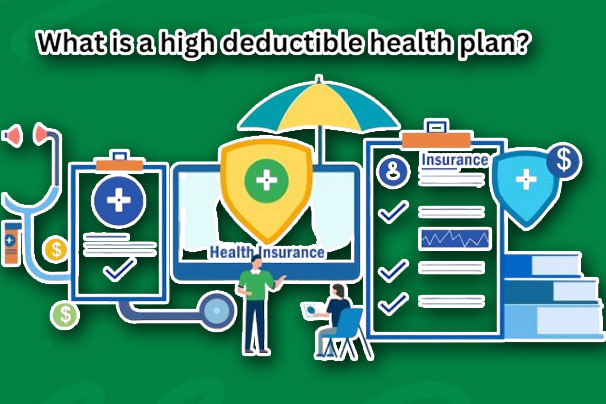
What is a High-Deductible Health Plan

0

A high-deductible health plan is a type of health insurance with a higher annual deductible than traditional health plans. With an HDHP, you spend more for healthcare before the insurance company begins to pay its portion, known as your deductible. HDHPs also have a cap on the total amount of your annual deductible and out-of-pocket medical expenses for approved expenses. Out-of-pocket expenses include copayments and cost sharing but not premiums.
What is a High-Deductible Health Plan

High-deductible health plans can assist in safeguarding against high-cost services such as hospital stays, surgeries, and sophisticated therapy. They usually include preventive treatment such as annual wellness examinations, vaccinations, and tests and screenings for specific health conditions.


HDHPs can also be coupled with a health savings account (HSA), allowing you to pay for certain medical expenses using funds from your tax-free HSA. This is why HDHPs are often known as HSA-eligible plans. To participate in HSAs, taxpayers must be covered by an HDHP.

How does a High-Deductible Health Plan Work?

Your health plan begins paying for qualified medical expenses when you’ve reached your deductible, which means you’ve paid out of pocket up to the plan’s deductible. This applies to both high-deductible and regular health plans.

The deductible amount varies depending on the plan you choose. If you select a plan with a larger deductible, you may have to spend more out-of-pocket expenses to meet your deductible. High-deductible health plans have both perks and cons.

Pros and cons of high-deductible health plans

Pros:

·         If you only expect to need preventative care, which is covered 100% by most plans when you stay in-network, the reduced premiums associated with an HDHP may help you save money in the long run.

·         Some approved high-deductible health plans can be combined with a Health Savings Account (HSA). You can utilize HSA funds to pay for qualified medical expenses. The funds deposited into an HSA are tax-free, which can help you save money.

Cons:

·         If your deductible is greater, you must pay for your medical care out of pocket up to that amount before your health plan begins to assist with covered costs. The exception is preventive care, which is 100% covered by most health plans when you stay in-network. 

·
If you choose a high-deductible health plan and require non-preventive or costly medical care, you must pay your whole deductible before your plan begins to pay for covered charges. Depending on your medical requirements, these charges could be considerable out-of-pocket expenses that you may not have prepared for.

Are you likely to seek medical care that goes beyond preventive measures? If this is the case, having an HDHP plan with a reduced monthly premium may not always be advantageous.

Who should sign up for a High-Deductible Health Plan?


HDHPs may be a suitable option for someone who is in generally good health and only visits their doctor once a year for preventive care. However, there are many distinct aspects to consider during the planning year. Considerations include

·         Frequency of doctor visits,

·         Number of tests or screenings,

·         Use of health savings accounts (HSA)

·         Employer contributions.

How much does a High-Deductible Health Plan Cost?

In the United States, a covered employee with a high-deductible health plan may pay an average of $8,217 per year and $22,404 for a family. HDHPs feature cheaper monthly costs and are ideal for those who simply require preventive care.

Who offers High-Deductible Health Plans?

You can acquire HDHP coverage through your company (many of which contribute to the HSA fee as an employee benefit). These plans are also accessible through the government’s health care marketplaces.

Frequently Asked Questions?

Is it beneficial to have a high-deductible health plan?


If you’re generally healthy and don’t have any medical bills beyond annual physicals and preventive screenings, an HDHP might save you hundreds of dollars or more each year.

What’s the distinction between a high deductible and an HMO?


HMOs require a primary care provider and no out-of-network coverage but provide reduced premiums. High-deductible health plans (HDHPs) use a health savings account to pay for services. POS and EPO plans are available but less frequent than HMOs, PPOs, and HDHPs.

Which is better: high or low deductible?


A lower deductible plan is ideal if you have specific medical concerns or chronic ailments that require frequent care. While this plan has a larger monthly premium, if you visit the doctor frequently or are at risk of a medical emergency, you have a lower deductible.

How does a deductible work?

The amount you must pay for covered health-care services before your insurance policy begins to pay. With a $2,000 deductible, you are responsible for the first $2,000 in covered services.

How can I tell if I have a high-deductible health plan?


According to IRS rules for 2025, an HDHP is a health insurance plan with a deductible of at least $1,650 for an individual plan and at least $3,300 for a family plan. The deductible is the amount you will have to pay out of pocket for medical bills before your insurance will cover them.


Trailer Driver Jobs in USA with Visa Sponsorship

0

Trailer Driver Jobs in the USA with Visa Sponsorship – Trucking companies in the United States are currently welcoming foreign drivers from across the world. Research shows that there are about 259,900 heavy and tractor-trailer openings in the USA. And this estimation is projected to grow by 4% from 2021 to 2031.

Trailer Driver Jobs in USA with Visa Sponsorship

You can apply for this position and earn up to $48,310. Also, you can get access to benefits such as life and health coverage, vision and dental, paid leave, and more. In addition to the available benefits, you can get a visa sponsorship.  Getting a visa sponsorship allows you to travel to the United States without having to cover your travel expenses.

However, to apply for this role, you must first meet the requirements and qualifications of the trucking company. Once you meet the laydown requirements, your application will be approved and granted. If you would like to apply for trailer driver jobs in the USA with a free visa, read through this article till the end.

Who is a Trailer Driver?

A trailer driver is in charge of transporting goods and services from distribution points and stores to various areas across the country as requested by their customers. To avoid delays, trailer drivers manage the best route planning.

They should also be very knowledgeable in the mechanical sector, routinely checking the vehicle’s condition, fixing any problems, and replacing worn-out parts to ensure efficient functioning. To do this, they should have a broad understanding of the mechanical industry.

Also, to address the questions and concerns of the clients and escalate complaints to management for prompt redress, a trailer driver needs to be exceptionally communicative and organized.

Duties and Responsibilities of a Trailer Driver

Meanwhile, the duties and responsibilities of a trailer driver in the USA are so many. In this part of the article, we will be outlining some of the duties and responsibilities.

  • Safely transporting freight to different destinations, including great distances.
  • Choosing the most effective routes and providing timely delivery of the freight.
  • Securing the cargo before departure and supervising its safe supply throughout the journey.
  • Notifying the management of any delays caused by road conditions, accidents, or breakdowns.
  • Ensuring proper operation by inspecting the truck and trailer before departure.
  • Taking stock of the freight before leaving and recording its condition.
  • Carrying out routine maintenance, including checking the levels of fluids, oil, and tires as needed.
  • Recording the number of hours driven, the length of rest stops, the kilometers traveled, and the fuel, repair, and toll costs.
  • Observing all federal, state, and local trucking laws and regulations, such as those governing required rest breaks, weight limits, and weight modifications.
  • Helping to load and unload freight and getting the customer to sign for the delivery.

This and so many more are some of the most common duties and responsibilities of a trailer driver in the US.

Benefits of Trailer Driver Jobs in the USA

The benefits of applying for trailer driver jobs in the United States are so many. And so in this section of the article, we will be outlining some of the benefits. Here are the benefits of applying for trailer driver jobs in the USA:

  • 401(k)
  • Health Insurance
  • Life Insurance
  • Paid Time Off
  • Parental Leave
  • Dental and Vision Insurance
  • Employee Assistance Program
  • Employee Discount
  • Disability Insurance
  • Paid Day Off
  • Tuition Reimbursement
  • Flexible Schedule
  • Advancement in Career
  • Flexible Spending Account
  • Prescription Drug Insurance

Requirements and Qualifications

Just like every other job, you need to meet the requirements and qualifications of your employer before you can apply for this role. The requirements and qualifications needed to apply for trailer driver jobs in the USA are

  • A high school degree or GED
  • A Commercial Driver’s License is required (CDL).
  • Preferably, a licensed truck driving certificate of completion.
  • Driving a tractor-trailer vehicle with a lot of experience.
  • Strong time- and project management abilities.
  • Exceptional communication and problem-solving abilities.
  • A spotless driving record and a thorough understanding of truck and trailer upkeep are both required.
  • Advanced route-planning skills that utilize both road maps and GPS gadgets.
  • Having the stamina to work irregular, long hours while remaining attentive and focused.
  • Strong understanding of federal and state laws that govern the transportation service.

Lastly, the applicant must pass the compulsory drug test before applying for this role. Note that, aside from the above requirements, you might be required to meet other qualifications. So, check out the job description section for the requirements before applying for the role.

Where to Find Trailer Driver Jobs in the USA with Visa Sponsorship

You can now search and find trailer jobs in the USA that offer visa sponsorship online. From social media platforms, job listing websites, and more, you can find the job of your choice. Some of the most legit job websites to check out are:

  • com
  • SimplyHired
  • Zippia
  • USAJobs
  • Glassdoor
  • Google Jobs
  • Monster
  • LinkedIn

How to Apply for Trailer Driver Jobs in the USA with Visa Sponsorship

In this section of the article, we will be discussing the steps and guidelines to follow to apply for a trailer job in the USA. The easy steps to follow are

  • Firstly, ensure your computer is connected to a stable connection.
  • Visit any of the above-listed job websites using your web browser.
  • Search for Trailer Driver Jobs in the USA with Visa Sponsorship
  • Scroll through the result provided by reading the job description and requirements. etc.
  • Conduct thorough research on the company to be sure the vacancy is legit.
  • After completing the research, tap on the Apply button and follow the on-screen instructions.
  • You will be required to provide your basic information, such as your name, age, education, marital status, etc.
  • Upload your resume/CV and other required documents.
  • Lastly, carefully follow the prompt to complete your online application.

If you have completed your online application while following the above steps, wait for a response from the firm. You will be invited for an online interview and if your interview is successful, your employer will tell you the next step to follow. And also how to start your visa application process. In conclusion, ensure to provide your correct information as a background check will be carried out.

Should I Invest or Pay Off My Mortgage

0

Should I invest or pay off my mortgage? is a common question most homeowners often ask. Being debt-free is a common goal for homeowners with a mortgage loan. The best way for a windfall of money to be invested is if a realistic rate of return notably surpasses the interest to be paid on the mortgage. Whether or not you should invest or pay off your mortgage insurance depends on several factors, such as your financial situation.

Should I Invest or Pay Off My Mortgage

There are advantages and disadvantages to paying off your mortgage on time. How you are affected depends on your loan’s interest rate, financial situation, and how close you are to retirement. Just like paying off your mortgage, there are some cases where it may be a better idea to invest and pay off your mortgage. This write-up contains answers to whether you should invest or pay off your mortgage.

Should I Invest or Pay Off My Mortgage?

While paying off your mortgage before time may turn out to be a financial benefit, whether or not it will affect you depends on your loan’s interest rate and market conditions. You may discover that your gain on a new investment will surpass any cost of savings you may gain by paying off your mortgage.

However, unlike other types of loans, mortgage loans are generally considered “good debt” because they are connected to an asset, which is your home, and it appreciates over time. Due to this, most financial advisors believe your mortgage can be pulled rather than abolishing it.

Factors You Should Consider When Deciding Whether You Should Invest or Pay Off Your Mortgage

When deciding whether you should invest or pay off your mortgage, there are certain factors you should consider. These factors include:

Do I Have Enough Emergency Savings?

The answer to this question depends on your risk tolerance, existing financial responsibilities, and ability to save. It is advised that consumers save up between three to six months of living expenses to cover emergency costs.

Am I Saving Enough for Retirement?

Just like emergency savings, how much you should save up for retirement varies by different factors such as age and career stages.

How Many Other Debts Do I Carry?

To determine how much debt you carry, searching your entire financial picture is the best thing to do. Identifying your debts as well as which you should pay off first can help save on interest and increase your investment and loan balance obligations.

What is the likelihood of an increase in my income?

Asking for a salary raise at work or taking a side hustle are ways you can increase your income. The likelihood of an increase in your income is one factor to consider when deciding whether to invest or pay off your mortgage.

What Step Should I Look to Make the Following Year?

Ensure you evaluate house marketing conditions before making any decision. Prepaying your mortgage loans comes with advantages and disadvantages. You may also face disadvantages by paying off your mortgage on time.

Advantages and Disadvantages of Paying off Your Mortgage

As previously stated, paying off your mortgage may seem like a good step to take, but there are advantages or disadvantages you may encounter. Generally, it is best to invest rather than pay off your mortgage. However, there are several reasons why you may consider paying off your mortgage instead of investing. The following are the advantages and disadvantages of paying off your mortgage:

Advantages:

  • Peace of mind.
  • Interest savings.
  • Build equity.

Disadvantages:

  • Tied up wealth.
  • Opportunity cost.
  • Loss of tax breaks.

Before paying off your mortgage, it is important to consider these factors to help you find which is best.

Advantages and Disadvantages of Investing

When investing instead of paying off your mortgage, there are several benefits and disadvantages you will encounter. These advantages and disadvantages of investing include:

Advantages:

  • Liquid investment.
  • Higher returns.
  • Employer match.

Disadvantages:

  • Increased debt.
  • Higher risk.

When investing, you increase mortgage debts that accumulate over time, causing difficulties in repayment and putting you at higher risk. While these seem bad, you get to save towards retirement and have better ways to meet expenses in the future.

Which is Best, Invest or Pay Off Mortgage?

If you are still having a hard time deciding what option is best for you, you may consider an option that does not require you to choose between investing and paying off your mortgage.

There’s a step that can be taken to reduce your mortgage debt and invest. Refinancing your mortgage is a way to pay off your mortgage and invest at the same time. Refinancing your loan is a good way to lessen your interest rates and reduce your loan term. By this process, you can go into investing while your mortgage is being paid.

Self-Employed Insurance – What You Should Know

0

Whether you work as a freelancer, 1099 worker, or entrepreneur, it’s very difficult to be your boss and enjoy the freedom that comes with it. Aside from ending deals and managing clients, you might require coverage to cover your business from potential issues like lawsuits, property damage, and unintentional accidents. Therefore, you should get self-employed insurance.

Self-Employed Insurance - What You Should Know

Self-employed insurance is a kind of insurance that helps cover professionals who work for themselves as independent contractors, freelancers, or sole proprietors. In addition, you have the chance to decide your own time and a high amount of flexibility in your work. However, you should be aware that there are perils involved, and you can be held liable if something bad happens.

How Does Self-Employed Insurance Work?

Most self-employed people have access to a wide range of coverage options, which might cover you from different risks. In addition, if your work deals with engaging with the public, public liability insurance will cover you if anyone files a lawsuit against you. Also, if you work with customers and there’s a chance you could destroy their assets or reputation, professional indemnity coverage is essential.

It’s simple to customize your self-employed insurance to fulfill your requirements with optional add-ons. For example, you may need this coverage to insure your vehicle or to safeguard any items you are transporting. Furthermore, you may need coverage to pay for tools and equipment you can utilize for your company, like your home computer. Your home insurance contents coverage may not cover them if they are used for business, but self-employed insurance can protect them.

What Does Self-Employed Insurance Cover?

An excellent self-employed policy has various kinds of small business insurance that offer coverage for a variety of problems. This includes litigation against your business, income loss because of issues insured by the policy, and property damage to your business. Moreover, if you are gathering self-employed insurance, you should consider a business owner’s policy (BOP).

BOP merges three kinds of basic coverage, and purchasing a business policy through this method is cheaper than getting a separate policy. The following are what BOP consists of:

Business liability insurance

This offers coverage against bodily harm and property damage to other individuals, but your employees are not covered. For instance, if you own a restaurant and a guest hurt themselves on a chafing dish, general liability coverage can pay for the guest’s medical fees. In addition, it also covers court verdicts, settlements, and legal fees if you are held responsible for the accident.

Business interruption insurance

This insurance offers coverage for income loss when a problem covered by your policy causes you to close your business shortly. For instance, when a fire at your office caused a short closure, this could pay for your lost earnings. It also pays for any income loss and the expense of relocating temporarily due to damaged goods.

Commercial property insurance

This safeguards your business assets and its location if covered risks like a tornado cause damage.  Commercial property insurance pays for various properties owned, like computers, office equipment, supplies, inventory, important papers, and corporate records.

How Much Does Self-Employed Insurance Cost? 

There is no specific amount of coverage you can get if you are a self-employed individual. The cost of this policy is ascertained by a range of various kinds of factors. In addition, here’s what goes into the cost of what you will pay:

Occupation

Job risks are frequently more expensive than what you cover. For instance, an electrician or a builder could get coverage at a higher rate than a graphic designer. In summary, all of these depend on the type of work you do.

Business Location

In different areas of the world, expenses for lawsuits and other fees differ, which depends on where you reside. In addition, this method could affect your insurance premium.

Coverage needs

Your rates are influenced by the types of coverage and policy limitations you choose. Furthermore, higher coverage levels could translate into higher rates.

Claims history

Many insurance providers may believe that you are more dangerous and would impact more fees if you have made a public liability claim in the past.

Other factors 

Generally, your self-employed insurance policy premiums may vary depending on your business location, payroll size, assets, and owned business property.

Also, selecting an insurer affects the expense of coverage. Therefore, it is always best to shop around for insurance online to ensure you’re never spending more than you need to. Furthermore, different providers might offer you a better bargain.

What Does Self-Employed Insurance Not Cover

Not every problem is covered by an ideal self-employed insurance. Moreover, here are some illustrations of some typical exclusions:

  • Floods (for which a separate business flood insurance policy is required).
  • Earthquakes (an additional earthquake insurance policy is required).
  • Conflict.
  • Infectious illnesses.
  • Confiscations by the government.
  • Fallout from radioactivity.
  • Deliberate and dishonest behavior.
  • Unlawful dismissal (unless you have insurance against employment practices liability).

Why Do I Need Self-Employed Insurance? 

Your business may experience different perils depending on the kind of work you do. For insurance, what might occur if your company’s equipment unintentionally harms someone in the public or destroys their property? Also, what happens if you give your customer bad advice resulting in losses in their business?

In any of these circumstances, you could be held responsible for the costs they encounter since you did something. Moreover, even if they are not necessary, compensation claims can be expensive to cover. However, you might not have to be concerned about how you will cover such expenses if you have business insurance.

Hotel Jobs in USA with Visa Sponsorship

0

Hotel Jobs in USA with Visa Sponsorship – If you are interested in working in the US Hotel and Hospitality Industry as a foreigner, you can apply for this position and earn $17.31 to $37.50 hourly, $1,458 to $6,500 monthly. This position is open to eligible and skilled individuals from different parts of the world.  You can apply for this role and also get a visa sponsorship. This means your travel expenses, flight ticket, and more will be covered by your employer or sponsor.

Hotel Jobs in USA with Visa Sponsorship

And aside from a Visa Sponsorship, you can get other benefits such as Health and Life Coverage, Vision and Dental coverage, and more. In addition, as a Hotel Worker in the United States, you can also earn to $88, 5000 and as low as $17,000. However, to apply for this role applicant must meet the laydown requirements and qualifications. If you need to find out the requirements and qualifications or how to apply for this role, read through this article.

Responsibilities of Hotel Workers

The duties and responsibilities of a Hotel Worker are so many and not all can be mentioned. However, some of the key and important Duties are;

  • Create and sustain connections with clients in your area, starting with acquisition.
  • Examine recent findings, convey them, and come up with solutions before advising your clients.
  • Develop presentations for both internal and external audiences.
  • The tactical capacity to implement adjustments to all systems
  • Respond to regular inquiries as needed.
  • Be up-to-date on the amenities, services, and local attractions offered by hotels.
  • Tell visitors about the accommodations, dining options, and other features.
  • Provide information in response to client inquiries.
  • Make local ground transportation arrangements as needed.
  • Quickly deliver to guests’ rooms any in-house amenities such as flowers, faxes, mail, or parcels.

Also, check and maintain daily menus to verify their quality, condition, and appearance while establishing thorough working knowledge of every item on the menu and every day’s specials.

Benefits of Hotel Jobs in the USA with Visa Sponsorship

Applying for a hotel job in the USA can expose you to a wide range of benefits aside from a free visa sponsorship.  Some of these benefits include:

  • Dental Insurance
  • Health Insurance
  • Retirement Plan
  • Vision Coverage
  • 401(k)
  • Disability Coverage
  • Gym Membership
  • Life Insurance
  • Paid Sick Time
  • Paid Time Off
  • Parental Leave
  • Opportunities for Advancement

List of Hotel Jobs in the USA with Visa Sponsorship

There are so many hotel jobs in the USA you can apply for. And in this section of the article, we will be listing some of the available hotel jobs in the United States that you can apply for:

  • Residential Guest Service Attendant
  • Laundry Attendant
  • Room Service Coordinator
  • Security Officer
  • Pool Attendant
  • Doorman
  • Front Desk Agent
  • Reservation and Communications Specialist
  • In-Room Dining Coordinator
  • Hotel Assistant Manager
  • Line Cook
  • Housekeeping Supervisor
  • Overnight Hotel Maintenance
  • Restaurant Server
  • Bartender

You can apply for any of the above jobs in the United States. Check out the next outline for some of the requirements needed to apply for hotel jobs in the US with a visa sponsorship.

Requirements and Qualifications

Although the requirements and qualifications for applying for a hotel job in the USA differ from one company to another. Also, the role you are applying for can determine the requirements. However, some of the common requirements needed to apply for this role are

  • Applicant must have at least 1 year of experience in any hotel job.
  • A high school diploma or GED is preferred.
  • Effective communication and relationship-building abilities to collaborate with subordinates, supervisors, and clients.
  • When evaluating circumstances’ outcomes, use an ethical perspective.
  • Work in a secure, responsible, and structured manner.
  • The ability to work late and overnight shifts, weekends, holidays, and weekdays is required.
  • Fluency in the English language in reading, writing, and speaking.
  • The capacity to multitask in a situation with plenty of demands.
  • Strong problem-solving abilities and the capacity to manage guests and challenging circumstances.
  • Authorization to work and live in the United States

Applicants who would like to apply for hotel jobs in the United States must have the following qualifications and requirements and more. Note: While applying for this role, check the job description to find out other requirements.

Where can I find hotel jobs in the USA with visa sponsorship?

Thanks to online job listing websites and social media platforms, you can easily find and apply for jobs in the US with visa sponsorship.  So, in this part of the article, we will be outlining some of the legit and safe websites where you can find and apply for hotel jobs in the USA.

  • Google Jobs
  • Zippia
  • ZipRecruiter
  • Joble
  • USAJobs
  • Indeed
  • Glassdoor
  • Careerjet
  • LinkedIn

Check out any of the above websites to find and apply for hotel jobs in the United States with a visa sponsorship.  You can check out the next outline for easy and straightforward instructions on how to apply for this position.

How to Apply for Hotel Jobs in the USA with Visa Sponsorship

As stated above, you can find hotel jobs in the USA with visa sponsorship online. This means you can easily start your application process online once you’ve checked your eligibility and qualifications. To apply for this role, you will need to follow the below steps in order:

  • Visit any of the job listing websites above using your mobile or computer web browser.
  • On the website, locate the search bar and search for “Hotel Jobs in the USA with Visa Sponsorship.”
  • Once you’ve found a job, click on the job
  • Read through the job description, requirements, and benefits.
  • After carefully reading the job description, research the company to ensure that the vacancy is legitimate.
  • Then, click on the Apply icon once done.
  • Follow the prompt to complete the application process.

After completing your online application, you’ve been selected for the online interview. You will be scheduled for the interview, and your employer will discuss further steps to follow to complete your job application.

Should I Get Life Insurance in My 20s

0

Generally, it is best to buy life insurance when you are still young because it will benefit you more in the future. But should I buy life insurance in my 20s? Most young people think it is unnecessary to buy life insurance in their 20s, but anyone can pass away at any age. Purchasing a life insurance policy will help your dependents cover several expenses, including burial expenses, debts, and other expenses.

Should I Get Life Insurance in My 20s

While in your 20s, you are likely to qualify for a cheaper life insurance policy than when you are older. This is because life insurance companies consider young adults less risky to insure than adults. It is a mistake to think life insurance is only gotten by older people with a family, but it doesn’t work that way. This write-up contains reasons why you should buy life insurance in your 20s.

Why You Should Get Life Insurance in Your 20s

The main reason for life insurance is to be financially protected against disastrous events. It is to protect your loved ones against financial hardship after you pass away. For instance, if you have a huge debt, whether from student loans or a mortgage loan. And you do not want it to be passed to someone else after you are gone, life insurance payouts can help cover these debts.

If you intend to have a family or you have a family who financially depends on you, getting a policy will keep them in financial stability after you are gone. Aside from death benefits, life insurance comes with other features like cash value. Which can be borrowed or withdrawn while you are still alive, making it a good reason to consider this coverage.

Types of Life Insurance

There are two main types of life insurance: term life and whole or permanent life insurance. These policies are different from each other and work in two different ways. They can be purchased by anyone, even while in your 20s. Term life insurance is a type of insurance that covers only a specific period, usually 10 to 30 years. A 20-year-old can qualify for $200,000 worth of coverage at $20 monthly till the end of the term.

Whole life insurance pays a death benefit with no cancellation date. As long as premiums are paid, your dependents will receive a death benefit to meet several needs. However, you will need to be able to afford expensive premiums because it has higher premiums than term life insurance. Whole life insurance policies accumulate cash value savings. This makes it better for those in their 20s because they get a longer time to build up these savings.

Advantages of Buying Life Insurance in Your 20s

There are several benefits of buying life insurance while you are in your 20s. Aside from cash value accumulation, which will be beneficial in the future, the following are other benefits of buying this insurance in your 20s:

Lower Premiums

While in your 20s, you can qualify for lower premiums than when you are older. It is more expensive for an older person to qualify for cheaper premiums. After all, they are considered higher risks because they are closer to their last days. The rate of death for older people is more than that of younger people, putting them at high risk of insuring.

Death Benefit

As previously stated, life insurance pays out a death benefit to your loved ones after you pass away. Your beneficiaries will be covered by your life insurance death benefit to keep them financially stable. And able to meet several needs like college, debt, and final expenses. However, buying life insurance in your 20s means you can accumulate more death benefits for your family after you are no more.

Accumulated Cash Value

If you purchase a life insurance policy in your 20s, your cash value savings will begin accumulating from then and can be accessed later in the future even while you are still alive. Cash value accumulates for several years, up to decades, and can total up to hundreds of thousands of dollars in the future.

You May Be Able to Increase Your Coverage Later

Most policies require policyholders to take a medical exam to increase their coverage. Whole life insurance companies allow you to include riders, which allows you to increase your policy with no medical exams taken. If your family has a history of developing a medical condition, this is a good idea.

Disadvantages of Buying Life Insurance in Your 20s

While there are several benefits to buying life insurance in your 20s, there are other downsides to it. The best time to buy life insurance is while you are young and healthy, but ensure you take note of the following disadvantages while you purchase a policy:

  • You may have a difficult time maintaining your premiums.
  • You may have to pay premiums longer than when you are old.
  • You may purchase coverage you don’t need.
  • Your premiums may be better spent elsewhere.
  • Aside from these, it is best to buy life insurance in your 20s to ensure several benefits that come with it.

Is it Too Soon to Buy Life Insurance in My 20s?

This depends on certain situations. If you are still in your 20s without a family and you are not planning on starting one soon, life insurance may not be needed. It is ok to get one later in the future. However, purchasing one now can help you a lot later in life.

Should I Pay off My Student Loan in a Lump Sum

0

Should I pay off my student loan in a lump sum? Without a doubt, student loan debt can be a major financial responsibility for borrowers, and the answer to whether and how such bothersome debt can be managed usually arises. One of the efficient strategies or methods that many borrowers or graduates consider is making a lump-sum payment to pay off their loan debt in a single go.

Should I Pay off My Student Loan in a Lump Sum

Although this approach seems intriguing and practicable, especially if you are working toward mitigating your monthly responsibilities and focusing on financial freedom.

For this reason, the answer to whether or not this is a good option for you is affected by different factors such as long-term goals, your financial situation, and loan terms. If you would like to discover the benefits and implications of using this means to pay off your student loan, keep reading this comprehensive guide.

Can You Pay Off Student Loans in One Lump Sum?

Yes, it is 100% possible to pay off your student loan debt with one lump sum. Besides, most loan servicers and lenders enable borrowers to make a single loan payment to cover their outstanding debts. Therefore, you can cover your loan faster than even the scheduled term fixed. Nonetheless, it is crucial to go through the terms with your loan provider because some loans come with potential prepayment penalties or certain procedures.

Should I Pay Off My Student Loan in a Lump Sum?

I am aware that deciding whether to use a lump sum payment to cover your student loan can be daunting. However, this depends on your financial goals and situation as a person.

Meanwhile, if you have enough investments or savings that are not accruing higher returns than the loan’s interest rate, making a lump-sum payment is a good idea.

This is because it will help you get rid of interest payments in the future and reduce debts.

Nevertheless, it is important to consider other financial options like higher-yield opportunity investment and creating an emergency fund. By juxtaposing these factors, you can make the right decision about whether making a lump-sum payment is a good strategy for you.

Is Paying Student Loan in Lump Sum Right for Me?

Here are some of the benefits and implications of using the lump-sum payment method to cover your student loan debts:

Benefits:

  • Peace of mind.
  • Complete debt elimination.
  • Easier budgeting for plans.
  • Financial ability.
  • Interest savings.
  • Potential positive credit score implication.
  • A sense of achievement.
  • Financial flexibility.

Implications: Top of Form

  • Opportunity costs.
  • Psychological and emotional impact.
  • Reduce liquidity.
  • Missing out on loan forgiveness programs.
  • Negative financial goal impact.
  • Credit history impact.
  • Tax deduction loss.
  • Potential tax implications.

How To Make a Lump-Sum Payment on Student Loans

Here is how to make a lump-sum payment on your student loan:

Confirm Loan Terms

Check the agreement of your loan and reach out to your loan provider to confirm the process for making payment in a lump sum. Make sure that there are no restrictions and prepayment penalties.

Determine the Amount

Calculate the exact amount you would like to pay. This will also consist of increased interest rates and the remaining balance.

Make Arrangements for Payment

Prepare the funds from your reliable financial sources or savings to make the student loan debt payment. Make sure that the entire amount is ready. Follow the instructions of the loan provider to make the payment.

Confirm Payment

After you have made the lump sum payment according to the loan servicer’s instructions, verify with the lender if your account has been settled and if the funds have been received.

Is Paying Off Student Loan Debt Always a Good Idea?

Paying off a student loan with a lump-sum payment is not always the ideal option for everyone. Although it can offer instant relief from interest payments and debts, it is essential to consider whether your financial situation will ameliorate from preserving liquidity for other reasons like emergency fund buildup or investment.

In addition to this, if your loan comes with a low interest rate, unlike possible investment returns, it might be a beneficial option to move the funds somewhere else. In conclusion, reviewing your financial goals and health can help you find out if paying your student loan with a lump sum is a good and advantageous idea.

Final Thoughts

It is a powerful method to pay off or cover your student loan debt in a lump sum because you can save on interest and attain financial freedom. Meanwhile, careful consideration of your financial situation and goal is important.

Consider the benefits and implications of this method as well. After carefully evaluating your overall financial circumstances, like investments, savings, and even future financial needs, you will have no issue deciding at the end of this procedure.

Should You Get a High-Deductible Health Plan

0

Should you get a high-deductible health plan or a low-deductible insurance plan? This is a common question policyholders ask when determining what health insurance plan they need. High-deductible health plans often carry lower insurance premiums but require more out-of-pocket payments, which must be made before the policy resumes debt payment.

Should You Get a High-Deductible Health Plan

Health insurance plans with lower deductibles carry higher premiums and more generous coverage as well as low deductibles. When purchasing health insurance for the first time or renewing your existing coverage, it is important to consider what health plan is best for you. During this process, you may wonder if a high-deductible health plan is a good idea or not.

What is a High-Deductible Health Plan?

Compared to a standard low-deductible health plan, a high-deductible health plan requires policyholders to pay more on medical bills out of pocket before the insurance company resumes coverage for the outstanding costs. This out-of-pocket payment made is referred to as a deductible. While it comes with higher deductibles, it requires lower premiums.

Each month, you pay a lower deductible but a greater part of the amount of out-of-pocket health care bills if they occur. Also, high-deductible health plans have higher deductible maximum limits. Once the limit is exceeded, the insurance company takes over the overall payment for the rest of the year.

Is a High-Deductible Health Plan a Good Plan?

While this plan requires you to pay more deductibles, one of its benefits is that you pay fewer premiums. This option is good if you are healthy, remain healthy, and never need to pay your deductible or reach the maximum deductible limit.

Also, this plan may cover some preventive care like immunizations, yearly physicals, and screenings. If you are in a family health plan, your coverage may cover well-child visits every year. Another advantage of this insurance is that qualified plans offer HSAs to manage health care costs.

Advantages and Disadvantages of a High-Deductible Health Plan

There are different reasons why you may decide to or not opt for a high-deductible health plan. Understanding the benefits and downsides of a high-deductible health plan helps you determine whether or not it is a good idea for you.

Advantages:

  • Lower Premiums: This plan costs less on premiums monthly than traditional health insurance plans with low deductibles.
  • Capacity to use an HSA: If you have a qualified HDHP, you are qualified to put thousands of pretax funds into an HSA, which can be used to cover medical expenses over the years. These funds in your HSA can be invested and grown over time.
  • Employer Contribution: More than the average of the employers offering this insurance make contributions against their workers’ HSAs.
  • Disadvantages:
  • High Initial Care Cost: Policyholders who have chronic illnesses or seek recurrent healthcare beyond preventive visits may end up paying more out-of-pocket payments. However, an employer contribution can help you pay the upfront bills.
  • Higher deductibles in the event of a disaster: Health insurance is primarily taken to shield you in the event of a serious illness, but you must be ready to pay more out of pocket for your entire deductible if an unexpected event happens.

Is a High-Deductible Health Plan Best for You?

While a high-deductible health plan is a very good option for some healthcare customers, it may not be the best option for everyone. However, a high-deductible health plan may be best for you if you meet the following:

  • You can afford to pay your deductible beforehand or within 30 days after receiving the bill.
  • If you intend to use HSA as a means of investment or savings.
  • If you rarely need medical care for injury or illness.
  • If your employer’s HSA contribution is not sufficient to cover most of your deductible.
  • If you can make notable contributions to an HSA.

Irrespective of which category you fall into, you can say this health plan is best for you. However, if you cannot pay more deductible or you are managing a serious illness, the high-deductible health plan is not a good idea. 

Why Having a Higher Deductible Reduces Your Premiums

Premiums and deductibles balance each other out. Low premiums mean higher deductibles and high premiums mean low deductibles. Both the policyholder and the insurer carry some level of risk in this type of health plan.

Selecting one type of plan over the other allows you to decide where you can save more. However, while measuring your risks, you should also think about your budgeting proclivity.

Should You Use Your Tax Refund to Buy Life Insurance

0

Are you expecting a tax refund in this filing season? According to a survey by the IRS, numerous individuals receive a tax refund with an average cost of $2,775. However, you might be concerned about maximizing your tax refund if you are a taxpayer, but have you considered if you should use your tax refund to buy life insurance?

Should You Use Your Tax Refund to Buy Life Insurance

Yes, you can use your tax refund to buy life insurance. This can help ensure your family’s financial stability in the future instead of spending it on things you don’t need, like more material belongings or a beach vacation. In this article, we will explain some important factors that can guarantee you that it is safe to use your tax refund to buy life insurance.

Why Should You Use Your Tax Refund to Buy Life Insurance?

If you pay too much in taxes, you are likely to get refunds on your overpaid taxes. It is important to consider the best ways to spend your cash jackpot. Spending your tax refunds on investments is one of the best ways to spend your money.

Life insurance is a considerable investment plan that offers several benefits, keeping you and your beneficiaries financially stable while you are alive or dead. Dedicating your tax refunds to life insurance would help you pay enough monthly or yearly premiums for several years. You can spend your money on either term life insurance or whole life insurance policies.

Reasons Why You Should Use Your Tax Refund to Buy Life Insurance?

There are several reasons why you should use your tax refunds for life insurance. While life insurance is a good investment plan, here are some of the reasons you should buy life insurance with your cash refunds:

It is a wise financial step

Making plans against death is a difficult topic people often don’t talk about. Purchasing life insurance before getting married or while in marriage is a smart move to take. Because you are younger, you are likely to get lower premiums. Buying life insurance means you are making preparations against the financial instability of your beneficiaries when you are gone.

Peace of Mind

When life insurance is purchased, you will have peace of mind knowing your family is financially protected after you pass away. However, it is a wise idea to invest your tax refunds in simple life insurance coverage.

You May Not Have to Pay Out of Pocket

Based on your tax refund amount, you may be able to pay off your life insurance premiums for several years. A $500,000 life insurance policy may cost less each day; this investment financially protects your beneficiaries when you no longer can.

Benefits of Using Your Tax Refund to Purchase Life Insurance

Using your tax refund to buy a life insurance policy has several benefits. Using your tax refunds to pay your premiums helps you make payments without affecting your savings. Aside from this, the following are other benefits of using your tax refunds to buy life insurance:

Premiums are paid with a single payment

With your tax refunds, you can pay your yearly premiums with just a single payment. Policygenius says the average cost for a 20-year term life insurance policy is $30, and each year it is $360. However, depending on your insurer, coverage type, age, and health, how much premiums you are to pay is determined. Some insurance companies offer pay-in-full discounts that help you save money on premiums.

Lessen Your Monthly Cost

Buying life insurance with tax refunds increases your savings. It removes the burden of the monthly premiums you pay from your savings. It reduces your chances of making late payments or missing out on payments that can affect your policy. Buying life insurance with your tax refund creates flexibility in your budget.

Your Tax Refund Will be Used for Something Valuable

It can be difficult to wisely use a cash jackpot. Using some of that cash to pay life insurance premiums is a wise idea and a good use of the money. Having a good life insurance policy aids peace of mind and ensures your beneficiaries will not be in financial struggles. There are two types of life insurance: term life and whole life insurance policies.

Term life insurance lasts for a certain time frame and offers death benefits only if the policyholder dies during the policy term. Whole life insurance lasts throughout the policyholder’s lifetime and has cash value benefits that can be withdrawn or borrowed while the policyholder is still alive. Death benefits are paid to the beneficiaries after the policyholder’s death.

Makes Your Retirement Savings Stronger

The cash value benefit of the whole life insurance policy accumulates and gains interest. These cash-value benefits can be withdrawn or borrowed during retirement. It can be used to cover several expenses and get over financial urgencies. While this is a good idea, it will reduce your life insurance death benefit.

Disadvantages of Using Your Tax Refund to Buy Life Insurance

Purchasing life insurance with your tax refund is a good idea due to the benefits it gives. But while this is an advantage, there are several disadvantages to buying life insurance with your tax refunds. These disadvantages include:

No Guaranteed Tax Refunds

Receiving tax refunds a year doesn’t guarantee that it will be that way every year. If you pay more in taxes all through the year, you will be given refunds for the overpayment made. This, however, happens when your tax repress is too high.

Tax refunds may not be enough to pay your entire premiums.

It is possible that your tax refunds will not be enough to pay off your life insurance premiums. In this case, you will have to fill the gap with your budget.

Your Tax Refund May Be Better Spent Somewhere Else

Based on your financial abilities, your tax refunds may be used to cover other needs; they can be used to pay debts, purchase a home, invest, create emergency savings, or set up a business.

What is a Subsidized Loan

0

A subsidized loan is a type of loan for undergraduates with financial struggles. This loan is determined by the student’s cost of attendance subtracted from their family contribution and other financial aid, like scholarships or grants. This type of undergraduate loan does not accumulate interest while students are still in school. Instead, the U.S. Department of Education covers the cost of interest on the student loan while they are still in school and throughout the deferment periods.

Subsidized loans are federal student loans given to undergraduate students to cover their financial needs. The school identifies and notifies undergraduate students who qualify for this loan after completion of the Free Application for Federal Student Aid form by students. Where you have filled out this form, it is important to confirm with your financial aid officer for any other paperwork required for you to submit to qualify for a loan.

However, it is important to be aware of how this loan works to help and make application and approval much easier for students. While this is so, this write-up contains insights into subsidized loans and how it works.

Subsidized Loan Terms

Subsidized loan repayment takes six after a student graduates, drops below half-time enrolment, or leaves school. This six-month grace period allows students to get financially stable, or get a job and be able to repay the loan after school. During this grace period, student borrowers will receive their repayment details from their loan servicer.

However, if you cannot afford the subsidized loan repayment, you can get in touch with your loan servicer and request a deferment or a loan modification to make payments more affordable.

How Much Subsidized Loans Can I Take?

How much you can borrow depends solely on different factors. These factors include what level you are in school, whether you are an independent or a dependent student, and the type of loan and loan terms you want. Knowing these can help you determine how much you should borrow to avoid borrowing more than you need.

Subsidized Loan Interest Rate?

Every lender includes interest rates in loans every borrower takes. An interest rate is a percentage charged by the lender to the borrower. It is also referred to as the percentage of the unpaid principal of the loan taken. However, it is important to be aware of how much interest rate you are charged on a loan.

While the student is in school, the federal government pays the interest rates included in the loan until the borrower graduates and passes the deferment period. While this is a benefit, it is not open to every student borrower, this is because it is a needs-based loan. Currently, federally subsidized loans maintain a fixed interest rate of 6.53%.

Subsidized Loan Qualification Requirements

Just like every other type of loan, you need to meet certain requirements to qualify and apply for subsidized loans. Students who meet the following requirements can apply for federal direct subsidized student loans:

  • Eligible non-citizens or U.S. citizens.
  • Outstanding academic success.
  • No default on any federal loans taken.
  • Half-time enrollment at an eligible school.
  • Ownership of a valid Social Security Number.
  • Ownership of a high school diploma.

Unfortunately, these requirements only apply to undergraduate students who require financial needs. Graduate students can not apply for this loan.

How to Apply for Subsidized Loans

As long as you are an eligible undergraduate student, applying for a subsidized loan is very easy to do. Online through the website, you can follow the below steps to apply and qualify for this loan.

  • Visit the studentaid.gov website
  • On this website, fill out the Free Application for Federal Student Aid form.
  • On this form, fill in every information required and attach documents if there is any required.
  • After this, click submit and follow the other steps required.

After this, the school will notify you of your loan application’s approval status. Where there is a delay, it is advisable to visit your loan financial advisor for any additional documents required.

Is Subsidized Loan Worth It?

In summary, subsidized loans are worth getting. This loan simplifies meeting the needs of undergraduate students. It makes loan payments and interest rates more affordable for borrowers because it does not accumulate while the student is still in school.