Home Blog Page 21

7 Reasons to Buy Life Insurance in Your 30s

0

7 Reasons to Buy Life Insurance in Your 30s – Statistically, the third decade of an individual’s life is often filled with significant events that may be beyond his control. When you reach your 30s, you usually experience a major life transition with new goals and responsibilities. Regardless of whether you’re establishing a new family, or purchasing a property. Or working towards professional advancement, this decade offers a critical chance to safeguard your future and that of your loved ones.

7 Reasons to Buy Life Insurance in Your 30s

Buying life insurance is one of the best ways to safeguard your loved ones and have peace of mind. Even if you’re just starting in life, there are strong reasons why we recommend having life insurance. Despite the common belief that life insurance is only meant for people with dependents.

You may be wondering if it is even necessary or worthwhile to purchase a life insurance policy; we assure you, it is. Here, in this article, we will explore seven major reasons why buying life insurance in your 30s can be a wise financial decision that protects your future and gets you ready for any unplanned event that may occur.

7 Reasons to Buy Life Insurance in Your 30s

Your 30s present a golden opportunity to look after your financial future. And, at the same time, ensure your loved ones are adequately protected.

At this stage of your life, you are still young and healthy, which makes it easier for you to qualify for a life insurance policy and even get lower premiums. There are several other reasons why buying life insurance in your 30s is a wise decision. Highlighted below are some of them:

You’re starting a new family

When you get married and begin to have children, protecting the future of your spouse and children should come first. One way you can safeguard their future is by purchasing a life insurance policy. This period comes with huge financial responsibilities, and now that you have people who depend on your income to live.

Life insurance provides essential financial support to your spouse, children, and family members in the event of your passing. The purpose is to ensure that your loved ones can maintain their standard of living. The death benefit on your policy can also be used to cover expenses like childcare costs, mortgages, medical bills, utilities, and many more.

You Make More Money Now

Meanwhile, you are most likely to earn more money when you’re in your 30s. You can protect your income by purchasing a life insurance policy. If something unexpected happens, it would be difficult to replace the lost income. To prevent your family from going through financial hardship after your passing, getting life insurance is an ideal option.

You Have Debts and Loans to Pay

Another compelling reason why we think life insurance is an ideal option for those in their 30s. This is because it features debt coverage.   When you are in your 30s, you might have taken a student loan. Or have an outstanding debt to pay off, life insurance can come to your rescue in this situation.  

In essence, if you buy life insurance, and you are unable to pay off your mortgage, loan. Or credit card debt before you die, the policy will help to erase most of your debt if not all, provided you have enough insurance. This would ultimately help to relieve your loved ones of financial burden during this period.

To Protect Your Business

A lot of people often have this misconception that life insurance is only meant for those with dependents. Contrary to this popular belief, life insurance can also be used to protect one’s business.

Perhaps, you have a business and you deal with clients, day in and day out. Your life insurance policy can cover any business-related risk and expenses.  Let’s say you have enough life insurance, your insurance company will give your family enough money to keep the business going even after you are no more.

Lower Premiums

One of the primary factors that determine how much you are charged for a life insurance policy is your age. When you purchase life insurance at a young age, most insurance companies tend to change lower premiums.

This is because, at this stage of your life, you are healthy and less prone to a wide range of health risks and the like.  Ultimately, you get to pay less for coverage when you are in your 30s. This makes it a cost-effective time to buy a life insurance policy.

To Avoid Medical Hurdles In The Future

Another factor that affects the insurance rate is the health status of the individual at the time of application for life insurance. Young people are often healthier than other adults, and because of this, they tend to qualify for life insurance faster.

Your 30s present a unique opportunity to get coverage while you are young and healthy. The more you wait to buy life insurance, the higher the chances of developing health issues that may jeopardize your chances of getting life insurance, which can also lead to higher premiums.

To Cover Burial and Final Expenses

In most states, the cost of burial and funeral is on the high side. To relieve your family of the financial burden when you die, we highly recommend getting life insurance. In the vent of your passing, you wouldn’t want your family members to compound the sadness of losing you with financial hardship. The death benefit on a life insurance policy can be used to cover burial and other end-of-life expenses.

Conclusion

Buying life insurance when you are in your 30s is a wide financial move that offers great benefits to you and your loved ones. The benefits of life insurance are numerous and extensive. From lower insurance rates and financial security for dependents to debt coverage.

Whether you’re establishing a family, purchasing a home, or navigating the responsibilities of adulthood, having a life insurance policy can provide protection and peace of mind in the event of an unforeseen circumstance.


15-Year vs. 30-Year Mortgage

0

15-Year vs. 30-Year Mortgage are quite similar to each other but different from each other in terms. A 30-year mortgage makes your monthly premium payments more affordable, while a 15-year mortgage costs less in the long run. Home buyers often select a 30-year mortgage because it has a fixed rate and is more financially friendly.

15-Year vs. 30-Year Mortgage

While a 30-year mortgage is a good idea, some of these buyers may have better options if they opt for a 15-year fixed-rate mortgage. Although a 15-year mortgage monthly payment may be high, it saves thousands in interest rates. However, it is important to understand the differences between these two terms of mortgage insurance to help you make the right decision.

15-Year vs. 30-Year Mortgage

In a 30-year mortgage, the loan balance decreases gradually over time, meaning the borrower effectively carries the same loan amount for more than twice as long compared to shorter-term options. 15-year and 30-year mortgages are both fixed-rate loans; the main difference between them is their term, which is how long it takes to repay the loan.

A 30-year fixed-rate mortgage is the best option for most homebuyers because it allows them to expand their loan payments for three decades. Doing this helps make the monthly premium payments more affordable, but it does not mean you pay more in total interest on the loan. However, with a 15-year mortgage, borrowers can repay their loan in a decade and a half.

Unlike a 30-year mortgage, the monthly payment amount is higher, but the overall loan cost will be less because you will pay interest for a shorter period. The longer the loan term, the lower the payment amount because the amount is expanded over a longer period. Moreover, even with lower rates, your monthly payments will almost be less with a 30-year mortgage than with a 15-year mortgage.

Advantages and Disadvantages of a 15-Year Mortgage

A 15-year mortgage seems like a more attractive option because of the way it works. With this term, you will likely save more in interest and pay your home debt faster. While this is good, it is important to consider the following advantages and disadvantages to keep you on the right track.

Advantages:

  • Lesser interest rate.
  • Early loan payoffs.
  • Less interest paid over the loan’s lifetime.
  • Faster home equity growth due to higher loan principal payments.

Disadvantages:

  • Harder to qualify for.
  • Higher monthly repayment.
  • Less room in the budget to meet investments or emergencies.

Advantages and Disadvantages of a 30-Year Mortgage

If you require more breathing room in your budget, a 30-year mortgage is a good option. It is generally much easier to qualify for, but you will pay more interest. The following are the advantages and disadvantages of a 30-year mortgage:

Advantages:

  • Lower monthly payments due to extended loan life.
  • Repayment flexibility to pay the loan sooner because you may decide to pay higher or extra payments.
  • More funds are available for savings, emergencies, and investment.
  • Qualifications for lower income as you do not need to prove your ability to pay loans on a contract schedule.

Disadvantages:

  • It takes a longer time to pay off the loan.
  • More expensive overall.
  • The loan comes with higher interest rates.
  • More paid interest over the loan life.

Is a 15-Year vs. 30-Year Mortgage Good For You?

Keep in mind that a 15-year mortgage requires strong financial strength due to higher monthly payments. Lenders will look into a higher income and lower debt-to-income ratio when determining financial strength.

In cases where you qualify for both loans, you should consider what mortgage payment you can afford and whether or not a larger loan payment would hinder you from making other financial moves like retirement savings.

Factors to Consider When Choosing Between 15-Year and 30-Year Mortgages

When considering which is best for you, look into the following key factors:

Calculate Mortgage Loan Payments for Homes at Different Price Points:

Following the 28 percent rule and the 36 percent rule is a good way to go about this. These rules advise homebuyers that no more than 28 percent of their gross income should be channeled monthly towards a mortgage payment and no more than 36 percent of their gross monthly income should go into monthly debt payments.

Look Into Your Monthly Budget:

Analyzing your financial commitments and spending plan can help you determine what mortgage term is best for you. If you are consistently overextended by a 15-year mortgage payment, you can consider a 30-year loan option and paying more to pay off your loan on time.

Understand Your Income and Responsibilities:

Borrowers need to consider the dependability of their income and debt levels. Keep in mind that the requirements for a 15-year mortgage may be a concern for persons who have a seasonal or commission-based income.

Through this process, you can easily decide which is best for you between a 15-year mortgage and a 30-year mortgage.

401(k) Loan vs. Personal Loan: Which Is Better

0

When you need a large sum of money to cover large expenses or to cover your expenses during an emergency, there are different loan options you can select from. A 4012(k) loan allows you to borrow money from your retirement account, while a personal loan offers large loan amounts. But when comparing 401(k) vs. personal loan, which is better?

401(k) Loan vs. Personal Loan: Which Is Better

A 401(k) loan is an easy and quick loan to take; the interest and payments made on the loan are eventually returned back into your account. A personal loan is a good option for borrowers who need to borrow a large sum of money or borrowers who do not want to tamper with their invested savings. Both loans are taken to meet the unforeseen financial needs of borrowers.

A personal loan allows you to borrow money without affecting your savings, while a 401(k) loan offers quick and cheap loans. These loans work in different ways and come with benefits and disadvantages. The best for you depends on your needs and what you prefer. This article will discuss 401(k) Loan vs. Personal Loan: Which Is Better.

What is a 401(k) loan?

A 401(k) loan is a loan type that allows borrowers to borrow from their retirement savings. This loan option is most times informal; you can request this loan just by logging in to your account through the administrator’s website and selecting the loan amount you want to take.

You may borrow up to 50% of your retirement savings, up to a maximum amount of $50,000, within a 12-month grace period. Immediately you get approved for a loan, the loan taken will be added to your next paycheck, and there you can access the money.

However, you will need to repay the loan taken within five years with interest. 401(k) loan interest rates are determined by the fund administrator, and these rates are calculated by summing up one or two percentage points to the new prime interest rates. Repayments are made quarterly if you are unemployed, and the whole loan balance may be due by the fixed tax-filing deadlines.

Benefits and Disadvantages of 401(k) Loan

Getting a 401(k) loan has its benefits and disadvantages. Some of its benefits include

  • Smooth application process.
  • Corresponding low interest rates.
  • No impacted credit or credit check.
  • There are also some disadvantages to getting a 401(k) loan. These disadvantages include:
  • Missing out on earnings.
  • Expensive default.
  • It might not be an option.

These are some of the reasons why these loans may not be a good idea for borrowers.

What are Personal Loans?

Personal loans are types of loans that offer huge sums of money as loans to borrowers and are to be repaid in installments over the loan life. These installments usually last between two and seven years. Personal loans are flexible loans because they can be taken and used for any reason, like home improvements or consolidating debts with high interest rates.

This loan allows borrowers to borrow a large sum of money, such as an amount ranging from $1,000 to $50,000 and even $100,000. The personal loan application process is quite different from that of a 401(k) loan. You will need to find a lender and then apply for a personal loan under them.

Personal loan lenders do credit checks on borrowers before approving their loans. These lenders may also require you to provide some documentation, like pay stubs and tax forms, to verify your income. Unfortunately, some lenders have limits on what you can spend your loan on.

Benefits and Disadvantages of Personal Loans

A personal loan is an amazing option if you need a large sum of money, but there are benefits and disadvantages to getting this loan. Some personal loan benefits include:

Certainly high loan amounts.

  • Your savings won’t be affected.
  • While these are the benefits, below are some disadvantages to getting personal loans.
  • Affects your credit score.
  • High-interest costs.

These are some things you need to consider before processing a personal loan.

Should I get a 401(k) loan or a personal loan?

A 401(k) loan and a personal loan are applicable options you can select from when you need quick cash. Borrowing from your retirement account is a faster process to get quick cash because it requires no credit check and comes at a low cost, while it’s the opposite for personal loans.

But as stated earlier, if you need a large sum of money, a personal loan is a good idea to consider. It is also a good idea if you need a longer repayment term or if you do not want to risk your savings and investments. Using the below strategy, determine if you need a personal loan or a 401(k) loan.

  • The loan term is best for you.
  • Your credit score.
  • The loan amount you need.
  • Stability of your job.
  • How much savings in your 401(k)?

These strategies should help you make a better decision on what loan you should get.

401(k) Loan vs. Personal Loan: Which Is Better?

The table below shows the differences between 401(k) loans and personal loans side by side.

401(k) LoanPersonal Loan
  QualificationsBorrowers must have an endowed balance in a 401(k) plan which allows loans.A good credit score is required. Enough income to manage your current debts and loans taken.
  Loan Amount$50,000 or 50% of the endowed balance depending on which is less.About $200,000 is offered depending on your personal loan lender but depending on your credit, the loan amount you qualify for is determined.
  Interest RatesPrime rate plus 1% to 2% (the interest you are to pay with your 401(k).Between 6% to 36% APR.
TermsUp to five years.Between 1 to 7 years.
Credit ImpactNoneInitial dip in credit score.
Tax ConsequencesLiable to income tax and a 10% early withdrawal penalty if the loan repayment is late.None
Retirement ConsiquencesCertainly reduced retirement funds even after the repayment.None

These are the differences between a 401(k) loan and a personal loan. using these differences you can determine the loan best for you.

8 Common Life Insurance Riders

0

8 Common Life Insurance Riders -When buying a life insurance policy, a lot of people overlook the extra benefits that riders offer. If you’re a first-time insurance buyer, there are several common life insurance riders you can benefit from. These riders are optional add-ons that enhance your coverage and offer tailored solutions to meet various personal needs and circumstances.

8 Common Life Insurance Riders

In life insurance, there are several optional coverages that policyholders can have access to if they seek maximum protection for a specific situation. From accelerated death benefits to income protection. These riders can have a big impact on the financial security of both the policyholder and the beneficiaries of the policy.

In this comprehensive write-up, we will examine distinct life insurance riders. Also, outlining the type of coverage and tips to consider when including them in your policy.

8 Common Life Insurance Riders

Riders are specifically designed to help policyholders customize their coverage and access an extra layer of protection. They are additional benefits that enhance an existing life insurance policy.

However, note that you will most likely be charged more money for adding a rider to your policy. But it will be at a relatively low cost. That being said, let us explore eight common life insurance riders and what they entail:

Guaranteed Insurability Rider

A guaranteed insurability rider allows policyholders to increase the death benefit of their life insurance policy at predetermined times without requiring additional medical underwriting.

If you want to increase the death benefit on your policy, then you should purchase this rider. You don’t have to undergo a medical exam before adding this rider to your policy. But you will most likely be charged extra money.

Accelerated Death Benefit Rider

If you are diagnosed with a chronic illness or condition, an accelerated death benefit rider lets you access a portion. Or even all of your death benefit while still alive, helping you cover medical expenses and other related costs.

This rider is specifically designed for policyholders who require long-term care, life support. And those who are permanently moving to a caregiving home for adequate care.

Waiver of Premium Rider

In a situation where you lost your source of income or you are unable to work due to one form of disability. Or the other, a waiver of premium rider will pay for the premiums you’ve missed. Most insurers allow you to add this optional coverage to your life insurance policy at the time of purchase.

Long-Term Rider

Long-term care is typically for those who are battling a chronic condition and are unable to perform daily tasks. Such as bathing, eating, dressing, and using the restroom. This rider allows you to have access to the death benefit while you are alive to take care of urgent medical needs.

Accidental Death & Dismemberment (AD&D) Rider

An accidental death & dismemberment rider protects you and your family in the event that you lose a limb or die due to an accident or a severe injury. This type of rider also offers financial protection if you are diagnosed with paralysis.

Family Income Rider

The family income rider is essentially to protect your loved ones by providing them with monthly payments when you are no more. This rider ensures that your family is not financially burdened and their standard of living is being maintained. The primary purpose of a family income rider is to make sure the family you left behind does not pass through financial difficulties.

Critical Illness Rider

The critical illness rider covers the cost of treatment and other medical expenses if a policyholder is diagnosed with a critical illness. The cost of treating a critical illness is on the high side;. Hence, it may be a wise option to add this rider to your life insurance policy. Nevertheless, endeavor to check the list of illnesses. It covers because coverage for all types of illnesses may not be available.

Child Term Rider

This rider is typically designed to offer death benefits in the event that a policyholder loses his or her life at a very young age. If your child dies before attaining a specific age. A child-term rider will provide financial protection to get through this difficult time. On the other hand, when your child attains maturity. You can convert your term plan to permanent insurance without going through a medical examination.

How to Add a Rider to Our Life Insurance

Usually, individuals who are first-time insurance buyers are provided with a variety of coverage options they can add to their policy. Most times, riders are added to a life insurance policy at the time of purchase.

Other insurance companies may allow you to add a rider to your previous insurance policy. This is depending on your unique situation and coverage needs. In essence, the process of adding a rider to a life insurance policy. It typically depends on the insurance company, policy type, and individual circumstance.

If you share a motive of getting additional protection through a rider. You can reach out to your insurance company to know how to go about it. Inquire about the types of riders they offer; you can also ask if they have a rider for the exact type of situation you want coverage for.

In Summary:

Being aware of life insurance riders that are readily available can significantly improve your policy and offer protection catered to meet your individual needs. You can consult your insurance agent about rides as you weigh your life insurance options to see which one could be the best for you.

Accredited Advisor in Insurance

0

Exploring the complicated world of insurance needs professional assistance to make the right decisions about policy management, coverage, and claims. One of the proficient credentials that demonstrate a high level of skill and competence in the field of insurance is the accredited advisor in insurance designation. But what is an accredited advisor in insurance?

Accredited Advisor in Insurance

This designation is known for its comprehensive training and diligent standards for making sure that advisors have the right equipment to offer valuable services and advice to their clients. In this article, we will be exploring what it means to be an accredited advisor in insurance, how it works, the pros and cons, and more informative details.

What is an Accredited Advisor in Insurance?

An accredited advisor in insurance, also known as an AAI, is a skilled designation given to insurance advisors, agents, and brokers who have shown or proven advanced expertise and knowledge in the insurance industry.

Furthermore, this credential is awarded to improve the knowledge and skills of insurance professionals and is usually given or awarded by professional organizations like The National Alliance for Insurance Education & Research.

In addition to this, the AAI designation pays more attention to robust coverage of insurance subjects like client relations, property and casualty insurance, and risk management.

It shows that the agent has experienced serious education and training that covers practical applications and technical sections of insurance. Apart from this AAI credential, it is esteemed for its focus on in-depth industry knowledge, ethical practices, and a dedication to ongoing professional development.

Understanding How It Works?

To get the accredited advisor in insurance designation, aspiring candidates must undergo some comprehensive educational courses that cover different sections of insurance like claims processing, risk management, and underwriting.

After this, you need to pass exams that test your practices, principles, and knowledge of insurance. In addition to this, candidates need to have important professional experience in the insurance industry, stay up-to-date with industry trends and developments, and preserve their credentials.

Pros and Cons

Here are the advantages and disadvantages of being an accredited advisor in insurance (AAI). Be sure to juxtapose these factors before deciding:

Pros

  • Increased knowledge.
  • Improved credibility.
  • Client trust.
  • Professional recognition.
  • Continuous education.
  • Networking opportunities.

Cons

  • High associated cost.
  • Competition pressure.
  • Constant regulatory changes.
  • Time commitment.
  • Required continuous management.
  • Limited focus/area of specialization.

What Are the Qualifications?

According to the Institutes, it takes between nine and twelve months to complete the AAI program. Hence, to get an Accredited Advisor in Insurance designation, aspiring candidates need to pass the elemental courses covering personal insurance, commercial property and liability insurance, insurance principles, and other related topics.

In addition, you must meet an ethics requirement by passing the 50-question Ethics and the CPCU Code of Professional Conduct exam or the Ethical Guidelines for Insurance Professionals exam.

Meanwhile, if you are looking to further your education, an extra course can give you access to becoming an Accredited Advisor in Insurance—Management (AAI-M). Some of the programs might provide credits toward a master’s or bachelor’s degree at prominent institutions.

Alternative Insurance Designations

There are multiple insurance designations that experts can choose to consider depending on their area of specialization and career goals.

  • Associate in Risk Management (ARM).
  • Associate in Claims (AIC).
  • Associate in Commercial Underwriting (AU) programs.
  • Associate in Claims-Management (AIC-M) programs.

Some of these alternative programs can make students eligible for credit at specific institutions or colleges. Therefore, agents can make use of their continued education credit for qualified degree programs.

How to Find an Accredited Advisor in Insurance

As a policyholder, if you are interested in finding a qualified accredited advisor, here is the basic guide you can follow:

Search for professional directors through organizations like The National Alliance for Insurance Education & Research.

  • Explore insurance company listings.
  • Ask for referrals.
  • Confirm credentials or AAI designation.
  • Reach out to professional groups and industry associations.
  • Find out if they provide AAI designation for listings and recommendations of accredited advisors.
  • Perform interviews with potential advisors.

Interview every possible advisor to talk about their experience, approach, and qualifications to insurance planning.

FAQs

What are the benefits of working with an accredited advisor in insurance?

 When you work with an accredited advisor in coverage, you have access to recent knowledge, ethical practices, and a high level of expertise. Therefore, you can get trustworthy advice and information.

How long does it take to become an accredited advisor in insurance?

The individual’s progress is the main factor that affects the required time to get the accredited advisor in insurance designation. Meanwhile, it usually takes months of professional experience, exams, and coursework.

Can an accredited advisor in insurance help with all types of insurance?

Although AAI-certified advisors have a wide knowledge of insurance principles, some of them might focus on certain aspects like property and casualty insurance. It is essential that you make sure the AAI advisor’s expertise and skills meet your needs.

Actual Cash Value vs. Replacement Cost

0

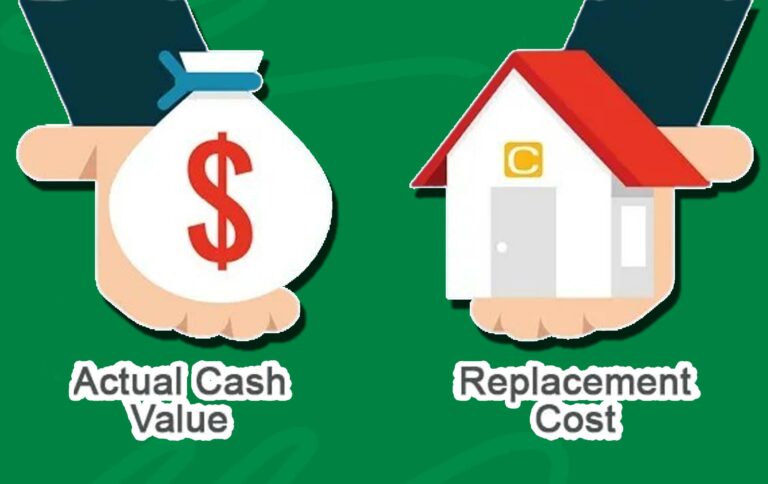
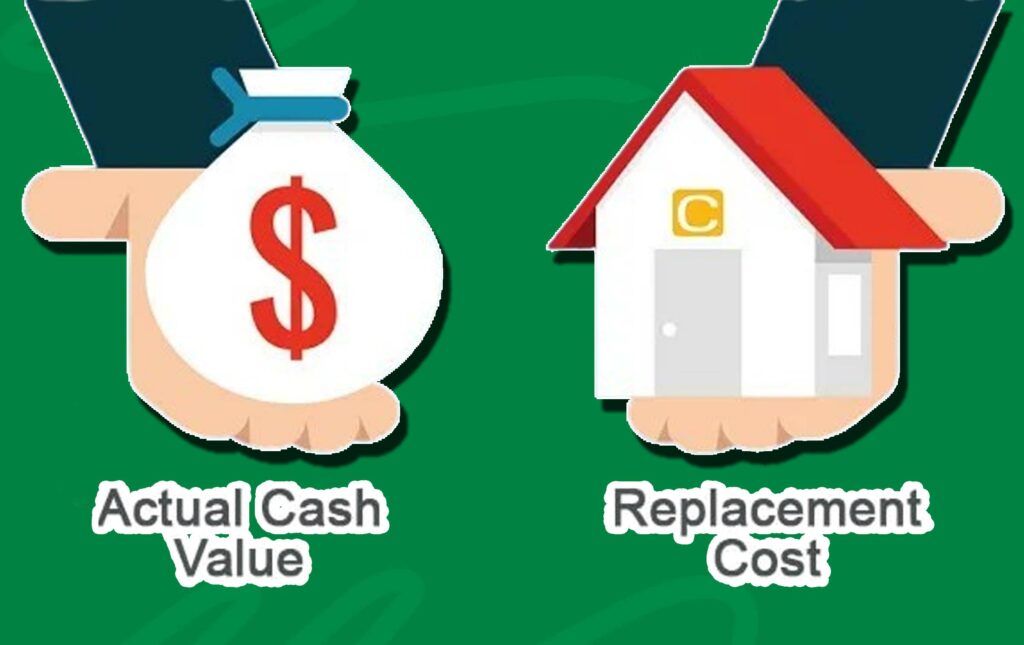
In the world of property insurance, it is important to understand the differences and nuances between actual cash value and replacement cost to make informed decisions about claims and coverage. This brings us to the question: actual cash value vs. replacement cost. Most of the time, people wonder which is better.

Actual Cash Value vs. Replacement Cost

Although both terms are associated with how insurance quotes value lost or damaged properties, they have distinctive approaches. In this article, we will explore Actual Cash Value vs. Replacement Cost.

What is Actual Cash Value?

Actual cash value, also known as ACV, is a mechanism typically used by insurance providers to find out the value of a property during a loss. Furthermore, it checks for the property’s depreciation, which shows the decrease in the value.

However, this may be due to factors such as aging, obsolescence, or general wear and tear. The actual cash value is typically determined by subtracting depreciation from the property’s replacement cost.

How Does It Work?

To calculate actual cash value, the insurance company or insurance provider will begin with the replacement cost of the property. This is the amount required to replace the lost or damaged item with a new one or something similar.

Thus, depreciation is removed or subtracted from the replacement cost. For instance, if a refrigerator 10 years old has a replacement cost of $1,000 and is damaged, the depreciation is evaluated at 50%. Therefore, the ACV will be $500.

Pros and Cons

Meanwhile, here are the benefits and drawbacks of actual cash value:

Pros:

  • Cost efficiency.
  • Transparency.
  • Lower premiums
  • Encourages maintenance.
  • Also, straightforward calculation.
  • Cost efficiency.
  • Fixed payments.
  • Affordability.
  • Also, mitigates overpayment.

Drawbacks/Cons:

  • Underinsurance risk.
  • Wear and tear impact.
  • Lower payouts.
  • Older items or properties receive less coverage.
  • Subjective depreciation rates.
  • Financial strain.
  • Potential gaps.
  • Complicated depreciation determination.

What is Replacement Cost?

Replacement cost is an insurance valuation system where the insurance provider compensates the policyholder for the replacement of lost or damaged property with a new or similar kind, without depreciation accounting.

In other words, depreciation is not considered. This method makes sure that the insured can replace their property with a new one no matter the condition or age of the original one.

How Does It Work?

Under a policy that has replacement cost, when a covered item or property is lost or damaged, the insurance provider will offer payment that is equal to the required cost to buy a new one or something similar.

For example, if a 10-year-old television that cost $800 originally now costs $1,200 to change currently, the insurance company will cover the full amount ($1,200) for replacement. Moreover, depreciation is not taken into account; therefore, the insured can get a new one without worrying about financial losses.

Pros and Cons

Meanwhile, here are the benefits and drawbacks of replacement cost:

Pros

  • No depreciation deduction.
  • Full replacement coverage.
  • Modern upgrades.
  • Peace of mind.
  • Also, increase coverage.
  • Correct reimbursement.
  • Easy to budget for.
  • Excellent for high-value items or properties.

Drawbacks/Cons

  • Possible overpayment.
  • Higher premiums.
  • Potential disputes or disagreements between the insurance company and the insured.
  • High risk for insurance providers.
  • Complicated claims process.
  • Requires periodical policy reviews.
  • Not suitable for everyone.
  • Inflation impact.

Actual Cash Value vs. Replacement Cost

In this section, we will be discovering the differences between actual cash value and replacement cost. You also get to learn which aspect they work better in, and with this, you will have no issue making the right decision. Now, let’s get into it:

AspectActual Cash ValueReplacement Cost
Payout AmountUsually lowerUsually higher
Modern UpgradesNot coveredCovered
Valuation SystemSubtracts or removes depreciation from replacement costFull replacement cost without considering depreciation value
Coverage for Older ItemsReducedFull value coverage
Depreciation ImpactYesNo
Calculation ComplexitySimplerMore complicated
Premium AmountLowerHigher
Who Is It Best For?Best for budget-conscious individualsBest for those who need total replacement
Financial ImpactOut-of-pocket expensesOut-of-pocket expenses are not necessary
Claim PaymentBased on the value of depreciationBased on the current market value

Actual Cash Value vs. Replacement Cost: Which is Better?

Choosing between actual cash value and replacement cost depends on the circumstances and preferences of the individual. Generally, actual cash value (ACV) is better for individuals looking to reduce insurance premium costs and who have no problem covering expenses out of their pockets. This makes actual cash value more affordable, but full coverage is not attained.

On the other hand, considering replacement cost is suitable for people who are looking for comprehensive coverage without any impact from depreciation. Therefore, a complete replacement for the damaged or lost item is attained.

Moreover, it is best for high-value or newer items where the payout can be reduced by depreciation. However, keep in mind that replacement costs can lead to higher premiums, not making it suitable for everyone. In the long run, the choice between actual cash value and replacement costs should meet your preferences, property value, and financial situation.

Accountants Professional Liability Insurance

0

Accountants’ professional liability insurance is a type of insurance that covers professional accountants as well as small and mid-size accounting firms from tax preparation risks, bookkeeping, and other professional services. Every accounting professional is entitled to the accuracy of their work for clients.

Accountants Professional Liability Insurance

Whether you’re a tax preparer, bookkeeper, or certified public accountant, you’re likely to face potential risks and liabilities in the course of doing business. Accountants’ professional liability insurance is also known as errors and omissions insurance and accountant indemnity insurance. This insurance does not only cover liabilities, but it also offers benefits as well as easier work means to make the workspace better.

This liability insurance for accounting professionals is an important insurance policy every certified public accountant, bookkeeper, and other professional accounting service should buy to cover their firm from unforeseen liabilities. This write-up contains all the information concerning this insurance.

What is Accountants Professional Liability Insurance?

This liability insurance is designed specifically to protect accounting professionals against potential liabilities that may arise in the course of their work. It helps cover the accounting firm from losses due to negligence, omissions, and errors in professional service performance.

This insurance offers an errors and omissions policy modified to cover your business needs. This insurance comes in handy to cover you from mistakes that are likely to be made when performing professional services.

Who Should Get Accountants Professional Liability Insurance?

As previously stated, professional accountants get this insurance to cover unforeseen liabilities as well as mistakes likely to occur when working on a professional service. Below are professionals who should get accountants’ professional liability insurance:

  • Bookkeepers.
  • Tax preparers.
  • Accounting professionals.
  • Enrolled agents.
  • Small and mid-sized accounting firms.

If you fall under any of these accounting professionals, you should purchase this liability insurance for accounting professionals.

What Does Accountants Professional Liability Insurance cover?

This insurance covers any type of professional errors likely to occur while carrying out your accounting duties. The insurance covers professional liabilities such as a client suing for negligence or for perceived mistakes that have been made while working.

Other issues such as omissions and errors, professional negligence, misleading information, violation of duties and contracts, and others are also covered under this insurance policy. In the event that a professional liability claim is filed, your accountant’s professional liability insurance policy will provide the necessary coverage. All related costs and possible rewards or settlements you may be required to pay will also be covered under your insurance policy.

What It Does’nt Cover?

Professional liability insurance policies only cover claims that are related to your professional accounting duties. Just as this insurance is important for accounting professionals to get, there are others they should purchase also. For professional accounting firms that are consistently visited by partners and clients, it is a good idea to get commercial general liability coverage with your accountant’s professional liability insurance.

This insurance covers you in events where a third party sustains injuries or their properties get damaged at your firm. If your accounting firm has officers, directors, and board members, getting directors and officers insurance coverage is a good idea.

This is because they are not covered under professional accounting liability insurance. However, for professional accounting firms that have more than a small number of employees, purchasing employment practice liability coverage to cover employee-filed claims is advised.

What are the Benefits?

Some benefits come with this liability insurance for accounting professionals. These benefits are added to your liability coverage to make your insurance a preferable one. Some of these benefits include

  • Security breach notification and remediation expenses coverage.
  • Personal fiduciary coverage.
  • Pre-claim assistance.
  • Information and network security offense coverage.
  • Investment advisor coverage.
  • Crisis expense reimbursement coverage.

These benefits are open to all accounting professionals who purchase accountant professional liability insurance policy coverage over their firm.

How Much Does Accountants Professional Liability Insurance Cost?

It is one thing to purchase professional accounting liability insurance, while it is another to know how much it costs. Accounting and financing businesses pay a minimum amount of less than $35 each month on this insurance. Depending on the risks, you may pay more or less for this insurance. The amount you’ll pay for this insurance is determined by several key factors considered by insurance companies. These factors include

  • Revenue.
  • Accounting and finance services.
  • Location.
  • Business property and equipment.
  • Number of employees.

After these factors have been considered, you will be informed by your insurer on how much you are to pay for accountants’ professional liability insurance.

Allstate Life Insurance – What You Should Know

0

Allstate Life Insurance has positioned itself as a significant entity within the insurance sector, which provides a wide array of life insurance products tailored to accommodate various needs of individuals and families. Known for its dependability and commitment to customer service. Allstate offers life insurance options that include term life, whole life, and universal life insurance policies. This enables policyholders to select coverage that corresponds with their financial objectives and lifestyle preferences.

Allstate Life Insurance - What You Should Know

Life insurance plays a vital role in safeguarding the financial well-being of loved ones, and as a result of this, it is imperative that we shed more light on the type of coverage provided by Allstate, including the advantages attached.

If you seek to know more about this Life Insurance, then you need to read to the end of this article. We will delve into the various types of life coverage provided by Allstate, their features and benefits. And other tips that would guide you in making well-informed choices regarding your financial interests.

Overview

Allstate offers different types of life insurance policies, which include term and permanent life insurance. This life insurance option features different coverage amounts, which range from $100,000 for term and universal plans to $10,000 for whole life insurance. The term life policies are available with a minimum term of 10 years. This offers the option to convert to longer-term or permanent coverage if the policyholders’ needs change over time.

While Allstate’s term life policies do not accumulate cash value, the whole, universal, and variable universal life insurance plans feature cash value growth. Notably, variable universal policies allow for significant fluctuations in cash value, which may impact the financial stability of your retirement portfolio. Additionally, whole life insurance policies may provide dividends that can be utilized for future premiums, enhance cash value, and be used to purchase extra coverage.

Types of Life Insurance Policies Offered by Allstate

Generally, there are several life insurance policies that are sold to people. And each with its own distinctive feature and coverage options. Allstate life policies are broadly categorized into two categories: term life and permanent life.

Term Life Insurance

Term life insurance is typically a type of insurance that offers coverage to policyholders for a stipulated amount of time, which could be 5, 10, or 15 years. The coverage is temporary, and it features a guaranteed payout that would be given to the beneficiaries in the event that the policyholder dies.

Allstate term life coverage is available in all states, and it can be purchased through the network of agents provided by the company. The exact amount of term life insurance you can buy from Allstate typically depends on the type of insurer you are working with. In most cases, individuals may not need to undergo a medical exam before coverage is approved.

Permanent Life Insurance

Permanent life insurance includes whole life, universal, index, and variable universal insurance. These types of permanent life insurance are provided by Allstate, and you can purchase them from any of their agents. If you buy Allstate permanent life insurance, your policy will be managed by the insurance provider that issued it.

For instance, if a permanent life policy from Protective Life is purchased through Allstate, the administration of that policy will be conducted by Protective Life. Conversely, if an Allstate permanent life insurance policy was purchased from the company itself, Allstate will serve as the primary point of contact.

Allstate Life Insurance Riders

Allstate offers a variety of life coverage riders essentially aimed at providing policyholders with additional coverage. These riders enable policyholders to customize their policy in accordance with their coverage needs and benefits. Here in this section, we have curated some of the riders Allstate offers:

  • Accidental death benefit
  • Chronic illness accelerated benefit
  • Children’s term rider
  • Disability continuation of premiums
  • Level 6 rider
  • Protected insurability
  • Vitality Plus program
  • ExtendCare
  • Return of premium endorsement
  • Terminal illness accelerated benefit
  • Over-loan protection rider
  • Income provider option endorsement
  • Disability waiver or premium
  • Unemployment protection rider
  •  Spouse’s level-term rider.

These and many more are types of riders provided in Allstate life coverage. Nevertheless, it is important to note that the availability of riders typically depends on the type of policy you have. If you plan to add a rider to your life policy, consult the customer care rep of Allstate for clarifications on anything.

How Much Does it Cost?

When purchasing Allstate life insurance, the insurer will take into consideration several factors, such as age, gender, your location, and health statistics, including the type of coverage option you need. For term life insurance, the amount of coverage is not usually pricey compared to permanent life insurance.

Permanent life insurance is more expensive because it tends to build cash value over time. Notwithstanding, the type of policy you have and the coverage on it will determine how much it will cost you. In most cases, the more coverage you add to your policy, the higher your premium will be.

If you need guidance, you can speak with your local agent or a financial advisor on how to navigate Allstate life coverage and its cost.

FAQs

Is it possible to get Allstate life insurance if I have cancer?

Generally, the underwriting process of life insurance can be complicated, especially for those with health conditions like cancer. It is possible to get life insurance regardless of your health condition, but it is advisable to work with an Allstate agent to discuss your options.

Does Allstate life insurance pay dividends?

Allstate whole life insurance may offer dividends to policyholders. Contact your insurer to be sure the type of policy you have pays dividends.

How much can I borrow from an Allstate life insurance policy?

If you have permanent life insurance from Allstate, you can borrow against the cash value of your policy. The eligible amount depends on how much money is in your cash value account.

Alliant Credit Union Personal Loans

0

Alliant Credit Union provides quick personal loans between the range of $1,000 and $100,000 with terms of about 5 years. It offers loans with competitive features such as no origination or prepayment fees. The same-day and quick approval stand out, especially for borrowers who love 24/7 customer service. For borrowers who love online banking and have good credit, Alliant Credit Union is a good choice for an easy personal loan lending solution.

Alliant Credit Union Personal Loans

Alliant Credit Union personal loans can be used for a variety of purposes, including home improvements, debt consolidation, and unexpected emergency expenses. The terms of the loan are designed to meet various financial goals and budgets. Also, the credit union’s online platform makes managing your loan account very easy and convenient.

However, you need to keep in mind that the credit union restricts borrowers from using the personal loan for investments, business expenses, or credit card or loan payments. Furthermore, due to the membership requirements, Alliant Credit Union is a good choice for existing members and people who want to become a member.

Who are Alliant Credit Union Personal Loans a Good Choice for?

If you are in need of fast access to cash, Alliant Credit Union personal loans could be a great option. Just like I have mentioned above, their loans often offer same-day deposits, making them ideal for urgent needs. It is also a good choice for borrowers who prefer to work with community-oriented nonprofit lenders. They don’t charge origination fees or penalties for paying off your loan early, so you can repay it without additional charges. Known for low fees and competitive rates, this credit union is highly regarded among other credit unions.

However, if you’re new to Alliant, it is advisable that you be a member for at least 90 days before applying for a personal loan. This might not be convenient if you don’t want a very long relationship with a lender. It may also not be a good option if you are looking for low rates or don’t want to go through the stress of maintaining a separate savings account. Plus, you should not go for this lender if you don’t want to take a credit hit from a hard credit inquiry.

Alliant Credit Union Personal Loans: Pros and Cons

Just so you know, each lending institution has its own advantages and setbacks. To help you make the right decision, below is a list of the pros and cons of this lender’s personal loan:

  • Same-day fund
  • Amounts of loans range from $1,000 to $1,000,000.
  • No repayment penalties or origination fees
  • Autopay rate discount available
  • Simple membership requirements

Cons

  • High starting APR
  • There is no prequalification available.
  • No joint applications.
  • No debt consolidation direct payment
  • No disclosure of credit score range

Alliant Credit Union Personal Loan Details

Loan Amounts and Terms

  • Loan Amounts: Loans range from $1,000 to $100,000.
  • Loan Terms: Borrowers can choose from four term lengths: 1 year, 2 years, 4 years, or 5 years.

Personal Loan Costs

  • APR: Rates start at 11.49% for 1- and 2-year loans. And 13.49% for 4-year loans and 14.49% for 5-year loans, which are much higher than many other lenders.
  • Other Fees: There are no additional fees required.

Perks and Features

  • Autopay Discount: Rates assume autopay enrollment, which is recommended. Opting out of autopay increases rates by 0.4%.
  • 24/7 Customer Support: You can contact customer service for assistance anytime.
  • Debt Protection Plan: Optional coverage is available for death, disability, or involuntary unemployment, costing between $0.75 and $1.99 per month for every $1,000 of the loan balance.
  • Flexible Due Date: If the loan gets approved, borrowers can choose their own payment due date to align with their paycheck.

How to Qualify for Alliant Credit Union Personal Loans

Approval for personnel depends on various factors. Each lender has its own criteria, but they usually dive into your credit history and income to see if you can repay the loan. Keep in mind that meeting these requirements doesn’t guarantee approval, but it can only help you decide if this credit union personal loan is right for you.

Alliant Credit Union Membership

You need to be members of the credit union to get approved for the loan. Just like I have mentioned above, it is advisable that you be a member for at least 90 days to go through the application and approval process.

Credit Score Requirements

Generally, you need a minimum credit score of 640 to qualify for a personal loan with Alliant. This makes it a good option for people with limited credit.

Income Requirements

There is no fixed actual income for approval. You need to show that you will be able to pay back the loan amount with your existing income. Alliant will also take a look at your monthly debt payments. You are typically limited to a maximum monthly debt-to-income ratio of about 55 percent.

Co-applicants and Co-signers

You can easily apply for a personal loan with a co-borrower like your parent or spouse. However, no co-signers are allowed.

How can I apply for Alliant Credit Union personal loans?

If you want to apply for Alliant Credit Union personal loans, here are the steps to follow:

Firstly, if you are already a member, you can apply online through your account or contact customer service. If you are not a member, visit the official website and apply directly.

This lender does not offer a prequalification process. So, you will need to fill out an online application to apply, and this requires a hard credit check that drops your score temporarily.

You will need to provide personal information such as your income, social security number, and employer. You may have to provide recent bank statements, pay stubs, and copies of your identification. Also, you will need to provide proof of your address, like a voter registration card or bill.

If you get approved as a member, Alliant will send the funds into your savings account or send you a check the same day. You are required to be a member before receiving funds.

AD&D vs. Life Insurance

0

AD&D vs. Life Insurance: Some people think life insurance needs are covered by an AD&D, but that is not true. They are different from each other. AD&D, which is the abbreviation of accidental death and dismemberment insurance, is different from every other life insurance policy. Understanding the distinction between AD&D and life insurance is crucial.

AD&D vs. Life Insurance

If you have been in search of insurance to cover your loved ones from financial difficulties when you pass on, getting a life insurance policy is a good idea. You may have also considered getting an accidental death and dismemberment insurance, generally known as AD&D. These two insurances may sound alike, but they are different from one another.

These insurers offer different types of insurance coverage along with terms and rates. While life insurance is purchased to shield your family from financial issues after you pass on, AD&D is also another type of insurance you can get. Read through this write-up to see how life insurance and AD&D are different.

What is Life Insurance?

Life insurance is a form of coverage that provides a death benefit to designated beneficiaries upon the policyholder’s passing. As long as the premiums are kept current, the policy remains active. In most cases, beneficiaries are not required to pay taxes on the death benefit. There are two main types of life insurance policies.

The types of life insurance policies are term life insurance and permanent life insurance. Term life insurance policies cover policyholders for a certain period, usually 10 to 30 years. It only pays off death benefits after the insured passes away. Permanent life insurance, mostly known as universal or whole life insurance, covers policyholders for their entire lifetime as long as premiums are paid. This policy pays death benefits if the premiums are paid up to date.

What is AD&D?

Accidental death $ Dismemberment insurance, abbreviated as AD&D, is a type of life insurance that pays benefits if ever a policyholder dies or gets injured. They offer coverage if the insured has an insurance policy that covers these circumstances.

This insurance covers occurrences like car accidents or injuries sustained as a result of an accident, which include loss of a limb or sight, speech, or hearing. Death or injury as a result of overdose, suicide, natural causes, illness, or high-risk activities is not covered by AD&D insurance. It also doesn’t cover injuries or death as a result of criminal activities or drugs and alcohol.

AD&D vs. Life Insurance: What is the Difference?

AD&D and life insurance have similarities, which are that they both offer benefits to beneficiaries after a policyholder passes away. However, the events these insurance policies make payments for are very different from each other. The table below illustrates the differences between these insurance policies.

EventsCovered by AD&D InsuranceCovered by Life Insurance
Death by diabetes, heart attack, cancer, Alzheimer’s, stroke, and other illnessesNoYes
Death by murderYesYes
Death by plane accidentYesYes
Death by suicideNoYes (after two years)
Death by drug overdoseNoYes
Death by car accidentYesYes
Loss of a limb, hearing, or eyesightYesNo

These insurance policies vary from each other. In some cases, they can be similar to each other, making people think they are the same. Before purchasing any of these life insurance policies, you need to consider why you need this insurance and what you want it to cover.

Should you buy AD&D or Life Insurance?

AD&D and life insurance are both types of life insurance, but one does not cover the other. Because AD&D has limits on what it covers, it may not be a good idea for you to buy AD&D insurance if you intend to cover a growing family or a business. Getting a life insurance policy will cover a larger range of circumstances that lead to death.

To get a wider range of life insurance coverage, you may consider purchasing both types of life insurance. AD&D tends to be more affordable than the traditional life insurance policy. Sometimes, it is offered through an employer for free or at a lower cost. However, if you purchase a traditional life insurance policy that allows AD&D as add-ons, you can purchase it to get extra coverage on your life insurance without getting it separately.

Do I Need Both AD&D and Life Insurance?

If you want protection in case of an accident or accidental injury, you can add Accidental Death and Dismemberment (AD&D) insurance to your life insurance policy. Alternatively, you may choose to purchase both life insurance and AD&D coverage separately, either from the same insurer or from different companies, to ensure broader protection.