Home Blog Page 32

Can I Sell My Life Insurance Policy

0

If your life insurance is expensive because of some changes in your financial circumstances, you might consider surrendering the policy or switching to an affordable one. However, you might be curious if you can sell your life insurance policy as a whole.

You can sell your life insurance policy if it’s a way to raise money if it is no longer needed. A secondary market is made for policyholders to trade life insurance policies for cash from a life settlement provider. Life settlement providers like Coventry or Abacus Life Settlements urchase life insurance policies from policyholders.

Can I Sell My Life Insurance Policy

The life settlement company pays you a percentage of the value of your policy when you sell it. The life settlement company takes care of all future payments and gets the death benefit when you pass away. This article will assist you in determining if it’s a good choice to sell your life insurance policy.

How Does Selling Your Life Insurance Policy Affect Your Taxes??

Like selling any other large asset, selling your life insurance may have tax ramifications. You will be responsible for paying taxes on the amount of your proceeds from the sale of a life insurance policy that exceeds your policy contributions.

Depending on the duration you had with the insurance policy, your tax obligation may change. Your profit is regarded as a short-term capital gain if you’ve owned the policy for a year or less, just like with other investments. The policy is seen as a long-term capital gain if you’ve owned it for more than a year. Long-term gains are taxed at more advantageous rates of 0%, 15%, or 20%, whereas short-term gains are taxed at your regular income tax rate.

How Much Can I Get for My Life Insurance Policy??

The amount you receive when you sell your life insurance policy is influenced by factors. These factors include life expectancy, policy face value, and buyer’s lifetime premium expectations. The offer is greater than your policy’s cash surrender value. However, it’s less than the death benefit your beneficiaries would get if you kept the policy in force until the day of your death. You may be obligated to pay income or capital gains tax on any income received from the life settlement exceeding the premiums paid.

How to Sell My Life Insurance Policy

To sell your life insurance policy, it’s essential to comprehend life settlement transactions and the corresponding laws. Consult with your state’s insurance authority for more details about the procedure, license requirements, and potential scams.

Additionally, make a decision about a broker. A certified life settlement representative can respond to your inquiries, represent your interests, obtain quotes, and manage the negotiation process. However, the broker will be responsible for their services. To avoid broker fees, you can also decide to compare and shop independently.

Whether you work with an expert or not, the procedure will need these basic steps:

Application

To request offers from each life insurance settlement, you must fill out an application. You must give the settlement company permission to gather details about your health and policy as part of the application process. Additionally, disclosures might be made to you, and you might be asked for more details or supporting documentation.

Documentation

The underwriters of the settlement company will start obtaining information as soon as your application is received and the required permissions are granted. They will get in touch with your life insurance company to ask for specifics regarding your policy, such as the premiums and death benefit. A copy of your medical records from your healthcare providers will also be requested by the underwriters.

Appraisal

Underwriters will assess the pertinent data and determine the market value of your life insurance policy. The underwriters will evaluate your policy’s worth and the advice of medical professionals regarding your health to determine if it is a wise investment. They will search for indications of fraud as well.

Offer

The settlement company will make you an offer if they decide your policy is a good fit to buy. You have the option to accept or reject the offer. Before deciding on a choice, compare offers from several businesses. You might be better at negotiating if you worked with a broker.

Closing

The settlement provider will send you a closing package to review and sign if you accept the offer. The transaction will be reported to your insurance provider once you return the signed paperwork. The policy will no longer belong to you, and you will get the settlement money.

The life insurance process typically takes 60-120 days, depending on the speed of information requests from insurance companies and medical providers. Furthermore, cooperation between policy owners and the insured is crucial, with policy information and medical records accessible to both parties.

What to Know Before You Sell Your Life Insurance Policy

You can get a reasonable life settlement,, but before you sell your life insurance policy for cash, consider the following:

Do I still require the insurance?

You should keep the policy if you have beneficiaries who depend on you financially and you can afford the premiums.

Is there another way I can pay for my insurance?

There are options, such as borrowing against your policy or lowering your death benefit in exchange for cheaper premiums, if your life insurance costs become too high.

Can I rely on the buyer and broker?

Find an insurance department-licensed broker in your state, and find out how much of your data the buyer will have access to. Furthermore, avoid working with a broker or buyer that pressures you to decide.

You have the option to sell your life insurance policy, but doing so is debatable due to possible financial and legal ramifications. Before selling, consider adjusting, converting, or replacing your policy to make it more financially viable. Certain kinds of life insurance even permit tax-free withdrawals from or borrowing against the policy’s cash value.


Can I Get Life Insurance After a Stroke

0

Yes, you can typically receive life insurance after a stroke, but it relies on a number of things, including the severity of your stroke, your age, your medical history, and whether or not you smoke. Policies for those with a history of stroke may include additional conditions, higher premiums, or lesser coverage amounts. However, if your stroke symptoms were mild to moderate and did not cause permanent damage to your health, you may be able to obtain life insurance rather quickly.

Can I Get Life Insurance After a Stroke

When applying for life insurance after a stroke, insurance companies may want additional information, such as a medical report from your doctor, to assess how the stroke has affected your health and lifestyle. This is common procedure when applying for life insurance with pre-existing medical issues. To obtain the best policy for your needs, consult with an independent insurance broker or advisor. They can compare quotes and assist you in discovering an insurer with good stroke underwriting rules.

What Happens to my Life Insurance Rates After a Stroke?

The best thing you can do is get life insurance as soon as possible, especially if you have a family history of health issues like stroke. In fact, after you have a stroke, basic life insurance will no longer exist.

Purchasing life insurance after a stroke affects the rate class, which determines the amount you pay. The good news is that you will probably still be able to obtain life insurance.

The bad news is that you’ll probably be table-rated. Furthermore, if you suffered a serious stroke, you may only be able to obtain last expenditure insurance with a death payout of up to $50,000.

Purchasing life insurance a year after a stroke will most likely boost your rating class, as underwriters like to see you doing well.

For example, they discovered a consistent medicine mixture that kept you steady. This commonly comprises blood pressure and cholesterol medications, along with a blood thinner.

This will show the underwriter that you are stable and reduce the likelihood of getting another.

Types of life insurance for stroke victims

Stroke victims have access to a variety of life insurance policies that are tailored to their unique requirements and circumstances.

Term Life Insurance

This policy provides coverage for a set period of time, typically 10 to 30 years. It is appropriate for consumers needing coverage for a set time period, such as till retirement or while paying down a mortgage.

Stroke survivors may face higher premiums than those without such a medical history, reflecting the greater risk considered by insurers. This policy type does not generate cash value and will expire at the end of the term unless renewed.

Whole Life Insurance

Whole life insurance, as opposed to term life insurance, provides lifelong coverage for a fixed payment. This policy also builds up cash value over time, which can be borrowed against if necessary.

Stroke survivors may have higher initial rates than term life insurance, but they remain consistent over time. It’s an excellent choice for those seeking both insurance coverage and savings, as it provides long-term financial security.

Guaranteed Acceptance Life Insurance

This policy does not require a medical exam, making it an attractive option for people who may not be eligible for standard life insurance owing to health difficulties. It is generally associated with higher premiums and lesser benefit amounts. Stroke survivors may select this option if they have difficulty qualifying for other types of life insurance.

Simplified Issue Life Insurance

This policy needs a few health-related inquiries but not a medical checkup. It’s a compromise between standard and guaranteed acceptance policies. Premiums are often more than ordinary insurance, but it may be a realistic choice for stroke survivors with moderate health difficulties.

Group Life Insurance

These plans are frequently provided as part of work benefits and do not require individual health exams, making them accessible to stroke survivors. Coverage amounts may be reduced compared to individual insurance, and the policy is usually linked to employment.

How to Life Insurance After a Stroke

Gather Medical Documentation

The first step is to compile a complete medical history since the stroke. This documentation should include information about the stroke, treatment records, drugs administered, and updates on recovery status. Having this information readily available is critical because it gives insurers an accurate picture of your health status.

Consult Insurance Professionals

Next, consider contacting insurance agents or brokers, particularly those who have experience with high-risk cases or specialize in coverage for those with extensive medical histories. These professionals can provide significant insights into the policies accessible and help you navigate the application intricacies.

Compare Policies and Providers

Investigate many insurance companies and their policies. Look for policies that cater to people who have pre-existing conditions or a specific medical history. Compare terms, coverage options, and prices to get the best policy for you.

Prepare for Health Assessments

Finally, be prepared to complete health examinations or questionnaires as part of the application process. These may entail answering thorough questions regarding your stroke, current health status, and lifestyle. Some insurers may also want a life insurance medical exam or access to your medical data. Being prepared for these examinations will speed up the application process.

How Much Does Life Insurance After a Stroke Stroke?

The cost of life insurance after a stroke varies widely from person to person, based on age, height, and weight, as well as work status. Certain people pay more for life insurance (for example, if they are older), but it is usually easy to acquire reasonably priced coverage.

Frequently asked questions

Can a person have a normal life after a stroke?

A mix of medical treatment, constant communication with your doctor, and lifestyle adjustments can help stroke survivors recover and lead normal, healthy lives.

Can a stroke victim get life insurance?

Can you obtain life insurance following a stroke? Yes, you could acquire life insurance after having a stroke, but this would depend on the severity of your stroke symptoms, among other variables including your age, health history, and smoker status.

Can you recover 100% after a stroke?

For some, this represents a complete recovery. Others will experience continuous deficits, sometimes known as chronic stroke disease. Whether a complete recovery is feasible relies on a range of circumstances, including the severity of the stroke, how quickly the initial treatment was administered, and the type and intensity of rehabilitation.

Can I Get a Car Loan After Bankruptcy

0

Can I Get a Car Loan After Bankruptcy? Getting a car loan after bankruptcy can be quite challenging to do because most lenders will consider you unable to repay the loan. Also, getting a post-bankruptcy car loan may take a loan process. Despite all of this, it is not impossible to get a car loan after bankruptcy.

Growing your credit and going for lenders with flexible requirements gives you a good chance at getting car loans after bankruptcy. You will need to put more effort into searching for the best lenders willing to offer car loans after bankruptcy.

Can I Get a Car Loan After Bankruptcy

After bankruptcy, there is a certain term length you are to wait before applying for a car loan. The waiting period depends on whether you filed a chapter 7 or 13 bankruptcy. However, even in this waiting period, it is advisable to search for lenders willing to work with borrowers after bankruptcy. This write-up contains methods on how you can get a car loan after bankruptcy.

How Can I Get a Car Loan After Bankruptcy?

Most lenders consider more recent bankruptcy a high risk. They may decline your loan application because bankrupt borrowers cannot repay the loan. For this reason, it is important to find the best lender willing to offer car loans after bankruptcy. However, the below steps can help you get a car loan after bankruptcy.

Consider if it’s a good idea or not

If you file for bankruptcy, you will likely encounter some financial troubles. Getting a car loan may be a way out of car expenses, but be sure to consider whether or not it is a good idea. Getting a car loan at this point may not be a good idea for your finances. Using the following, you can decide if it’s a good idea or not.

  • Loan affordability.
  • Current means of transportation.
  • Cash payments.

Review Your Credit

Having a bankruptcy on your credit history reduces your credit score. It affects your credit and lasts for as long as seven to ten years. Fortunately, bankruptcy lowers its effect on your credit as it grows older. This means that over the 10-year waiting period of its effect on your credit, your credit score tends to be higher by the ninth year.

Having good credit gives you better chances of getting flexible loan terms and rates. However, before getting a car loan after bankruptcy, check your credit score to see if you are eligible for one. If your credit is not good enough for a loan, it is wise to work towards improving your credit before applying.

Set a budget for a car loan down payment

Making down payments on the car you need a loan for most times increases your chances of getting approved for a car loan. It shows the lender that you are responsible and you can repay the loan taken.

Borrowers who have low credit due to bankruptcy should consider making down payments on the car before taking out car loans. Making this payment means you get to borrow lower amounts on car loans and lower the lender’s risk. It also means that you get to reduce the interest rate on your overall loan.

Compare Lenders

The best way to find the best car loan after bankruptcy is to compare different lenders. Every lender has their loan requirements concerning credit score, income, and employment history. Comparing lenders is a good way to find a lender that works best for you.

As you shop around for lenders, some lenders will specify if they do not offer car loans after bankruptcy or the specific credit score they require. You can also compare lenders by prequalifying for car loans. It allows you to check interest rates and loan terms without hurting your credit score.

Where To Get Car Loans After Bankruptcy

When comparing lenders, it is wise to consider loan options outside the dealership. You can check if you can get car loans from credit unions or banks after bankruptcy. Credit unions are more flexible when offering loans with bankruptcy issues. Unfortunately, recent bankruptcy may be declined by credit unions if you have unpaid debts to them. However, the lists below are some lenders that may offer your car loans after bankruptcy.

  • Bad credit lenders.
  • Credit unions.
  • Buy-here, pay-here dealership.

Aside from using these lenders, you may get a car loan after bankruptcy by adding a cosigner to your car loan application. A cosigner is a person who has good credit and is ready to cosign a car loan for you.

Can I Get Liability Insurance on a Financed Car

0

Yes, you can get liability insurance on a financed car, alongside other types of insurance such as comprehensive and collision coverage. The level of coverage you will carry for a financed car largely depends on the lender you took out the auto loan from. The majority of lenders often require borrowers to have full coverage on a financed car, and this includes liability insurance.

Can I Get Liability Insurance on a Financed Car

Liability insurance is typically designed to protect you from financial loss in the event that you are held responsible for any injuries or property damage incurred from an accident that involves your car. Even though many lenders majorly require comprehensive and collision coverage for financed cars, liability insurance is equally important as it protects your assets and future income.

What Type Of Insurance Do I Need For A Financed Car?

To insure a financed car, you will most likely be required to purchase this auto insurance coverage:

  • Comprehensive Coverage
  • Collision Coverage
  • Liability Coverage
  • Uninsured/Underinsured Motorist Coverage
  • Gap Insurance

Do You Need Full Coverage on a Financed Car?

Most definitely! If you have a financed car, your lender will most likely require you to purchase full coverage, which includes collision, comprehensive. And liability coverage, as well as other types of coverage required by your state law. Some lenders may also require you to purchase additional coverage. This includes uninsured motorist coverage, to protect yourself if you get into an argument with a driver who has little or no insurance.

The major reason why lenders require full coverage on financed cars is typically to protect their financial interests and investments. In a situation where you get into an accident and the car is severely damaged, if you don’t have enough insurance coverage to cover the loss, it can cause financial stress for your lender. Hence, many lenders mandate full coverage on a financed car.

Is Comprehensive and Collision Necessary For a Financed Car?

Typically, for a financed car, lenders usually require comprehensive and collision coverage for the vehicle. The majority of lending institutions require you to have certain types of coverage in order to safeguard their investment in the car and make sure you can afford repairs or replacements in the event of an accident or other occurrence.

Keeping this coverage also offers peace of mind and financial stability. If your car is damaged or totaled in an accident and you don’t have comprehensive or collision coverage. You will have to pay a large amount of money out of pocket, especially if you are still paying loan payments. If you’re thinking about changing your coverage, it’s crucial to go over your financing agreement and speak with your insurance company.

Is Car Insurance Expensive for a Financed car?

When determining how much to charge for coverage, most insurance companies consider several factors. This includes your age, driving history, previous claims, your car’s make and model, and many more. The fact that the car is financed does not impact the cost of your car insurance in any way. Your car insurance may be expensive if the insurance company views you as a higher risk or you are purchasing additional coverage aside from the legally required ones.

Furthermore, financed vehicles are frequently more recent models with potentially higher values, which may raise your car insurance rate. Higher insurance costs may also result from the expense of repairs and replacement parts for more recent models. Therefore, even though insurance companies do not use financed cars as a rule of thumb for car insurance cost. You might have to pay more for insurance on a car that you have financed, primarily because of the additional coverage that lenders and the car itself require.

What Happens If I Don’t Have the Required Insurance on a Financed Car?

When applying for an auto loan, most lenders require you to provide proof of insurance. If you don’t have the necessary insurance for a financed vehicle, such as comprehensive. And collision coverage, it typically exposes you to the risk of breaking your loan agreement with the lender.

Most often, there are serious repercussions attached to not having the required insurance on a financed car, such as paying fines or even the lender buying insurance on your behalf, often at a far higher cost.

Additionally, you run a significant financial risk if you don’t have the required coverage. You would be liable for paying for any necessary repairs or replacements out of pocket in the event of an accident or damage to the car. If you still owe money on the loan, this could put a lot of strain on your finances. You might also lose your car while you try to pay off the debt and fix the damage.

Bottom Line

Although it is technically possible to get liability insurance for a car that has been financed, adding other types of auto insurance policies is a wise financial move. Having just liability insurance may not give you adequate protection in all scenarios. And sometimes it may not satisfy the requirements of your financing arrangement. This is because lenders usually need comprehensive and collision coverage alongside liability coverage to safeguard their investment.

Choosing only liability insurance could expose you to significant monetary damages in the case of an accident or car damage. It is imperative that you thoroughly read your loan agreement. And talk with your insurer about your insurance options in order to make sure you have the right insurance you need to safeguard your financial interests as well as those of your lender.

Can I Get Homeowners Insurance Without an Inspection

0

Can I Get Homeowners Insurance Without an Inspection? It is quite common for home insurance companies to carry out a complete home inspection before issuing your insurance policy. This may sound formidable, but these inspections exist among all home insurance companies to confirm details you entered during your insurance application.

Can I Get Homeowners Insurance Without an Inspection

A homeowners insurance inspection is done not only to confirm the details of your application but also to identify any potential risks in your property. After the inspection, insurance companies use the information they get to determine your insurance rates. Inspection may be favorable to homebuyers because they can negotiate lower prices for a home using the insurance inspection.

However, is a home inspection always required? Homeowners insurance companies can decide whether or not they need to inspect before issuing insurance policies. Due to this, you may be able to get homeowners coverage without an inspection.

Do I Need a Home Inspection to Get Homeowners Insurance?

In different instances, a home inspection may be required by an insurance company before they issue a homeowners insurance policy. Policyholders need to be knowledgeable about the level of risk they are acquiring by getting insurance over their home to evaluate premiums.

The best way for insurance companies to process the level of risk in your home may be through home inspection. A home inspection is not only helpful in determining risks. But it can also help home buyers discover hidden issues in the home they intend to purchase.

What to Know About a Homeowner Insurance Inspection

As previously stated, home inspections are done mainly to identify possible risks in your home. It helps homeowners identify hidden issues in their homes undisclosed to them. A homeowner’s inspection allows insurers to determine the level of risk your home carries and determine what homeowner insurance policy and rates would be given to you. Home insurance inspectors generally use the 4-point inspection method to access key areas of the home.

The 4-point home inspections are roof, electrical, plumbing, and health & cooling equipment. These points have a lifespan that insurance companies put together to determine the likelihood of you filing a claim. However, home insurance inspectors do not have the necessary qualifications to perform a detailed analysis of any issue in your home needing repairs. If your home fails the 4-point inspection, you will likely be unable to purchase a homeowners insurance policy.

Can I Use an Appraisal to Get Homeowners Insurance?

 Your homeowners insurance company may accept an appraisal instead of a formal inspection. But this depends on the insurance company; some insurers do not accept an appraisal in replacement for a home inspection.

Homeowners who have a more recent and more detailed appraisal have a higher likelihood of acceptance by the insurance company instead of a home inspection. However, appraisals and home inspections do not serve the same purpose. In cases where you want to purchase an old house, your insurance company may accept an inspection rather than an appraisal.

How to Pass a Home Inspection

When deciding on a home inspection for a home you do not own yet, ensure you communicate with the seller concerning the inspection date. If you would be inspecting a home you are yet to purchase, the home inspection preparation will be the responsibility of the seller.

In cases where you are the owner of the home or you are the seller. There are quite several things that may increase your chances of passing the home inspection. These things include:

  • Exterior Inspection.
  • Examine your home’s electrical.
  • Finish up necessary yard work.
  • Plumbing preparation.
  • Carry out deep cleaning.

Preparing ahead of the inspection date increases your chances of passing and getting the right homeowners insurance coverage. Failure to prepare for the inspection may cause you to fail the inspection and not get approved for insurance coverage.

Who Pays for a Homeowners Insurance Inspection?

Home inspections are normally paid for by the homebuyer as a part of the real estate transaction process. In most cases, the homebuyer may be required to submit an offer on the property contingent upon a positive home inspection. However, this means you can legally walk away from the sale or submit a lower offer if the home inspection fails or is unsatisfactory.

How Much Does it Cost?

Home inspection cost varies between $250 and $400. Homeowners and homebuyers normally pay the inspection cost directly to the home inspector. For homeowners insurance purposes, the cost of home inspection is free to the homeowner while payment is covered by the insurance company. In cases where you are asked to pay for the inspection, you will need to contact your home insurance agent or company.

Does Family Medical History Affect My Life Insurance

0

As we all know, some factors determine life insurance premiums, and one of these factors is your family medical history. While it determines it, does family medical history affect my life insurance? This information helps insurance companies gain insights into your general health and how likely you are to generate genetic illnesses.

Does Family Medical History Affect My Life Insurance

To evaluate the risks you pose, life insurance companies consider your family medical history as well as other factors like age and gender. If your family often develops genetic illnesses, you may likely pay more on premiums. The impact of these factors on your life insurance premiums depends on the level of risk they pose. Here, we will explore the impact of your family’s medical history on your life insurance.

Why is My Family Medical History Considered by Life Insurance Companies?

When you apply for a life insurance policy, insurance companies look into genetics to determine the health of policyholders and how likely they are to develop an illness.

Genetics plays a remarkable role in determining the health of a person. For instance, if a member of your family has been diagnosed with several health conditions like cancer, diabetes, or heart attacks, you may be at risk of having them too. In this case, insurers charge premiums enough to cover this risk if, eventually, it happens.

How is My Life Insurance Affected by My Family Medical History?

Your family medical history may affect your life insurance premiums. If any specific conditions run in your family genetically, you will be considered high-risk and would be required to pay more premiums.

This factor can also affect your eligibility for certain life insurance policies. Insurance providers may set limitations or exclusions on your policy if you will be buying critical illness coverage or income protection coverage.

However, life insurance is not generally known for exclusions; instead, you will be charged more premiums. Aside from all of these, your insurance underwriting process may be affected. More medical exams and information may be required to determine your risks.

Should I Reveal My Family Medical History?

You must disclose your family medical history to your insurance provider, including all medical conditions they have had. Aside from the fact that this information will be required during your application, failure to reveal these details can lead to your future claims being denied as well as other consequences. However, insurance companies may have access to your database and medical history to verify the accuracy of the information you provide.

What Happens if My Family’s Medical History is Bad?

In cases like this, there is no need to panic. When insurance companies evaluate the level of risks when determining your approval and premiums, they look into several factors.

If eventually you are rejected by one insurance company due to a bad family medical history, you can always apply for others who don’t rely on your health status for approval. Some insurance companies don’t take medical exams or ask medical questions, nor do they demand your family’s medical history for approval.

Some Genetic Conditions That Can Affect My Life Insurance

While family medical history is a key factor in determining premiums, some genetic conditions affect your life insurance. Genetic conditions in your family’s medical history that can affect your life insurance include:

  • Diabetes.
  • Stroke.
  • Polycystic kidney disease.
  • Huntington’s disease.
  • Heart disease.
  • Familial adenomatous polyposis.
  • Parkinson’s disease.
  • Motor neuron disease.
  • Alzheimer’s disease.
  • Epilepsy.
  • Multiple sclerosis.
  • Cancer.
  • Cardiomyopathy.
  •        Myotonic dystrophy.

However, because your family has one or more of these conditions does not guarantee that your life insurance would be affected automatically. Life insurance companies look into close relatives as well as the number of those who have been affected by these illnesses to determine whether or not your premiums would be affected.

Is It Possible to Buy Life Insurance With a Family Medical History of Disease?

Yes, although you may likely face higher premiums, if a person has a family medical history of health issues, insurance providers determine it to be a predictor of your health in the future. According to the level of risk you pose, premium rates will be higher.

Other Factors That Affect Life Insurance

As previously stated, several factors affect life insurance. Aside from your family medical history, insurers look into other factors to determine the level of risks and how much premiums you would pay. These factors include:

  • Age.
  • Gender.
  • Occupation.
  • Hobbies.
  • Coverage needs.
  • Policy type.
  • Policy limits.
  • Lifestyle.
  • Health condition.

This information determines how much premiums you pay. However, factors that pose more risks tend to lead to higher premiums, which makes it important to keep them clean.

Does Having a Dashcam Lower Insurance

0

Is having a Dashcam lower insurance common question policyholders often ask? A Dashcam does not automatically lower your insurance cost. Most car insurance companies don’t offer discounts for Dashcam installation, but having one on your vehicle indicates a positive outcome. It may qualify you for lower car insurance premiums when applying for a new policy due to your safety cam.

Does Having a Dashcam Lower Insurance

As premiums continue to rise, policyholders often look into reducing their premiums. Because of this, several policyholders tend to add a Dashcam to their cars. This write-up contains answers to whether or not a Dashcam lowers your insurance premiums.

What is a Dashcam?

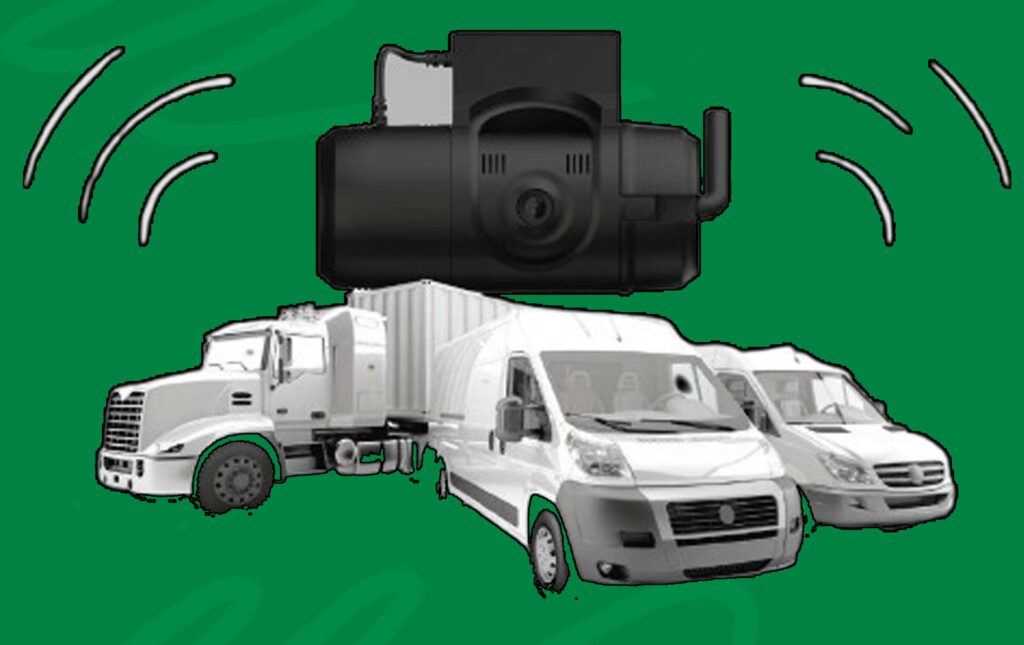
A Dashcam is a small camera typically found at the top of a car’s windscreen or dashboard. Videos and audio recordings are used to provide proof of the time and cause of an accident for insurance claims. The camera is available in four types including rare view, carbin view, front view, and front and back view Dashcams. Dashcam can be more effective for claim filing, especially for accidents where you are not at fault.

How Does Having a Dashcam Lower Insurance?

As previously stated, almost all car insurance companies offer discounts for a Dashcam, the only company that does is an insurance company named Branch Insurance in partnership with Nextbase Dash Cams. Dashcams serve as both a safety camera and a convenient method for capturing on-road scenes for artistic and personal purposes. However, having one will not affect your insurance premiums directly either negatively or positively.

How Much Does Dashcam Cost?

Dash cams, available for iOS and Android smartphones, range from free applications to high-tech models costing over £3,000. You should budget between £40 and £50 for a budget model. 

The price difference is typically attributed to the recording quality and additional features like Wi-Fi connectivity, Amazon Alexa integration, and an emergency SOS service. Although there are online guides available on hardwiring a dash cam, you may want to factor in the cost of having the device professionally installed in addition to the device’s purchase price. 

Benefits of Having a Dashcam

While having a Dashcam will not reduce your insurance directly, it has a positive impact on your car insurance in several ways. It can help your insurance in the following ways:

A record of the accident

If you get involved in a car accident, Dashcam footage can serve as evidence during insurance claim filing. The claim process on an accident can be very difficult due to the need for proof against the incident. In the absence of a Dashcam, a verbal statement and photographs of the incident must be provided. The use of a Dashcam to record the accident scene could expedite the investigation and settlement of our claim.

Fight against insurance fraud

Car insurance fraud has become a common problem that can be reduced by a Dashcam. If a person tries to get you involved in a staged car accident to get fraudulent claims payouts, a dash cam could get you out of this situation shielding you against legal fees and increased insurance premiums. It can work as proof against these types of claims.

It makes you a better driver

Because you own a Dashcam, your car insurance premiums will not be directly affected. However, becoming a safer driver may positively impact your policy. Monitoring your driving with a Dashcam could increase your awareness of what goes on the road and take part in defensive driving habits that reduce your risk of accidents.

Acts as a security camera

Car accidents and parked incidents are common, and comprehensive insurance policies cover the damage to your vehicle. Hardwired dash cameras can detect theft, vandalism, falling tree limbs, and fire damage. In rural areas, encountering wildlife may also be advantageous. However, comprehensive coverage is needed.

Observes teen’s driving

Teenage drivers are classified as high-risk drivers by insurance companies, and they are charged higher premiums. Installing a dash cam in your teen’s car can help you monitor their driving habits and address issues before they result in a ticket or an accident. This added peace of mind can be beneficial while driving.

Disadvantages of Having a Dashcam

There are various minimal risks you would need to consider;

  • You may be more vulnerable to a break-in if you have a dash cam because thieves may try to take it.
  • Additionally, it could be a risky distraction while driving if it isn’t installed correctly.
  • Dash cams can cause discomfort for some individuals due to their perception of continuous recording as an infringement on their privacy. That comes down to personal choice.

To ensure that both you and the camera can see the road clearly, make sure your dash cam is firmly fastened to your windscreen behind the rearview mirror. It’s also necessary to securely fasten down and tuck the power cable out of the way.

How Do I Send Dashcam Footage to My Car Insurance Provider

  • Sending your dash cam footage to your auto insurance company as proof of what occurred during an accident can be beneficial. Depending on the make and model of your dash cam, here’s how to get the footage:
  • SD card: Dash cam videos are typically stored on an SD card, which can be inserted into a computer using an external SD card reader, depending on the device.
  • USB cable: You might be able to access your files by using a USB cable to connect your Dashcam to a computer.
  • Wi-Fi: If your dash cam has Wi-Fi capability, you can download video straight to the device of your choice.

You can let your provider know that you have a video of the collision when you file a claim. Additionally, a page where you can upload your videos will be shown to you. After watching the video, the provider can decide how to proceed with your claim.

FAQs

Can I get a discount for having a Dashcam?

Dash cam insurance doesn’t offer discounts, and it may increase insurer costs if it proves fault in an accident.

Are you permitted to have a Dashcam in your vehicle?

Installing a Dashcam in your car is entirely legal in the UK. If you plan to drive your car abroad, keep in mind that some nations such as Cyprus, Luxembourg, and Portugal do not permit Dashcams.

How do Dash Cams help in case of traffic accidents?

Dash cams capture every event that occurs while you’re driving, which can be very helpful in avoiding false claims and serving as proof in traffic incident recordings.

How much do Dashcams cost?

The majority of dash cams sold in commercial markets typically cost between $100 and $500. For instance, the leading dash cam in the market, the Nextbase 122, costs $80, while the AI-powered iQ Smart Dash Cam in 4K resolution costs $700.

Can a Landlord Require Renters Insurance

0

In this revolutionized world, many landlords have come to the realization of how important it is to safeguard their properties in order to reduce financial risks. As the rental market keeps expanding, so does the need to safeguard the financial interests of many house owners. If you are a tenant, you may be wondering if your landlord will require you to get renters insurance. In most cases, tenants are required to purchase renters insurance as part of the lease agreement.

Can a Landlord Require Renters Insurance

Whether you are a landlord or a tenant, it is important to have a full understanding of homeownership. And insurance since it has a huge impact on responsibility and property protection. In this article, we would provide all the information you need as regards whether or not your landlord requires you to get renters insurance.

Can a Landlord Require Renters Insurance?

Yes, the majority of landlords require tenants to show proof of renters insurance before they can be allowed to move in. The type of apartment you are moving into and the house owner largely determine whether. Or not you need to provide proof of renters insurance.

While most landlords require that you have renters insurance, some may not necessarily mandate it. Legally, it is not compulsory to have renters insurance. But most landlords require it to shield themselves against financial loss should a tenant refuse to pay rent or cause one type of damage or the other.

Why Do Landlords Require Renters Insurance?

Typically, most landlords mandate showing evidence of a renter’s insurance policy for the sole purpose of protecting themselves in unexpected situations. Like lawsuits, non-payment of rent, and personal liability.

They believe that, by having renters insurance, the financial burden on them will be lessened. And the personal liability coverage on your policy should be able to cover liability claims in the event of an unforeseen circumstance. Purchasing a renters insurance policy will safeguard not only your landlord but also your financial interest in the event of:

Bodily Injury Claims

In a situation where you unintentionally injured someone in your apartment. You can quickly reach out to your insurance company to get coverage from your personal liability policy. This coverage can help to cover medical expenses of the injured person and other costs. It is important to note that the level of coverage you get for a bodily injury claim depends on the limits of your policy; your insurer will only cover you up to your policy’s limit.

Property Damage Claims

If you encounter a fire or theft incident that results in damaged and lost personal belongings. You will be liable to cover the expenses out-of-pocket, not your landlord. On the other hand, if you have renters insurance, your personal property coverage may cover expenses related to the repair or replacement of damaged belongings, up to the limit of your policy.

Temporary Housing Claims

Most renters insurance features loss of use coverage that provides protection in the event that your rental apartment is inhabitable due to one reason or another. Your policy may be able to cover the cost of getting you a temporary place to stay until your home becomes habitable again. This coverage protects the landlord from covering the cost of moving you to a temporary apartment. However, coverage is only applicable if the damage was caused by a covered peril. So, endeavor to check your policy carefully to know if it is a covered claim or not.

How Much Renters Insurance Should a Landlord Require?

Your landlord is primarily the major person that can mandate you to purchase a renters insurance policy. The same thing also applies to how much renters insurance you should buy. Your landlord determines how much insurance you need based on previous claims and experience with other tenants.

Nevertheless, you will most likely be required to get the minimum coverage. This includes personal liability coverage and personal property coverage. You can as well decide to include other types of coverage if you have your personal coverage needs.

Let’s say you have expensive and high-end assets or equipment in your home. And you need maximum protection in unexpected events. Then you should purchase a personal property policy to act as a safety net for you. If any of your prized items get stolen or damaged, you can rest assured that you will be covered by this policy.

Is Landlord Insurance Not Meant To Cover Everything?

Unfortunately, landlord insurance has its limitations, just like every other type of insurance product. Basically, landlord insurance is designed to cover damage to the main building as well as medical expenses of an injured person who visits the property.

Landlord insurance only covers expenses incurred due to damage done to the property itself and not the personal interest of tenants. As a result of this, tenants are encouraged to purchase renters insurance to protect themselves against financial loss in the event that their personal belongings get stolen. Or damaged, as this would not be covered by landlord insurance.

Conclusion

Regardless of whether you have many assets and personal belongings, getting renters insurance is an ideal option. A lot of people often think this type of insurance benefits just the landlord. But obtaining renters insurance offers great advantages to the tenant as well.

For landlords, it lowers financial risk by offering an extra layer of protection against potential liabilities and losses. For tenants, renters insurance provides liability coverage. And protects personal reports, providing tenants with peace of mind in the event of an unexpected situation.

Can a Parent PLUS Loan Be Transferred to the Student

0

Sometimes, parents tend to take student loans on behalf of their children in college. These loans are taken to meet the financial needs of the student while in college. Parents take loans for their children through the parent PLUS loan. However, can a parent PLUS loan be transferred to the student? Yes, it is possible to transfer the student loan to the student, but it is not so easy to carry out. Immediately a student graduates, some parents transfer the loan back to the child, while some children take the loan from their parents.

Can a Parent PLUS Loan Be Transferred to the Student

A Parent PLUS loan is a type of loan that allows parents to take student loans for their children in college. These loans can be very useful to parents to fund their children’s schooling. This federal loan has lower credit criteria and more flexible repayment terms than other lenders, making it a good option for students.

Can a Parent PLUS Loan Be Transferred to the Student?

Federal programs do not allow parents to transfer their parent PLUS loan to the college student who benefitted from the loan taken. If a federal PLUS loan is taken, the borrower is responsible for the loan repayment until it is completed. However, there are some other ways the transfer of the loan may be possible.

The student can decide to refinance the parent PLUS loan taken by their parents through a private lender under their names. To make refinancing possible, the student will have to take out another loan to pay off the original PLUS loan. The new loan will be taken under the college student’s name, and through the private lender, they can make repayment for the PLUS loan. Unfortunately, refinancing a federal student loan comes with risks, and it is not to be taken by everyone.

How to Transfer Parent PLUS Loans to the Student

As previously stated, to transfer a parent PLUS loan to a student, the student will have to refinance the loan. Before proceeding with the loan transfer, you need to first confirm from the student if they are willing to take on the loan repayment responsibility.

Once that is confirmed, you can now proceed with refinancing the loan under the student’s name. Ensure you have good credit before processing the refinancing of the loan. However, if you have good credit, you may qualify for a lower interest rate or a more preferable repayment term. Below are the steps to follow to refinance the loan:

Step 1. Compare Lenders

Before you process the application process, you will need to compare lenders to identify the one preferable to you. Go through the loan terms to confirm if the lender agrees to refinance a parent PLUS loan in a student’s name. Some of the lenders, such as Laurel Road, PenFed Credit Union, SoFi, and CommonBond, allow refinancing to parent PLUS loans. Do not forget to check if you meet the lender’s criteria for refinancing the loan.

Step 2. Prequalify

If possible, prequalify for a refinanced loan to see the loan terms. Fill in some of the basic information required during the prequalification process to see if you are eligible for refinancing of a loan. You can also take the opportunity to check the interest rate along with its repayment term without causing harm to your credit.

Step 3. Consider Co-signing

If you have bad credit, getting a co-signer is needed to help you qualify for refinancing a loan. A co-signer with good credit gives you the upper hand at approval for a loan. However, if the borrower defaults on payment, the co-signer is left with the loan repayment, and their actions may affect your credit. Ensure you review the lender’s policies to know if they allow co-signers.

Step 4. Submit the Application

Once you find the right lender to refinance the parent PLUS loan, you can now proceed with the application completion. Provide every document such as pay stubs and identification, tax filings, driver’s license, and any other required documents.

If your lender requires a co-signer, provide the required documents of the co-signer. Every lender has a different application method. Depending on your lender, you may need to submit additional information before your refinancing loan approval.

Benefits of Refinancing a Parent PLUS Loan

There are some benefits attached to refinancing a parent PLUS loan. Some of these benefits are:

  • Parents are no longer responsible for the loan repayment.
  • The student can build a credit profile.
  • Chances of getting a lower interest rate than your current one are guaranteed.

These are some of the benefits that come along with the benefits of refinancing a parent PLUS loan.

Disadvantages of Refinancing a Parent PLUS Loan

Just as there are some benefits to refinancing this loan, there are also disadvantages to it. Some of these disadvantages include:

  • Less stretchable repayment term.
  • Access to federal protections and benefits will be lost.
  • Parents may still be required to stay on the loan.

These disadvantages are some of the reasons why students do not consider refinancing parent PLUS loans.

Can a Car Insurance Company Deny Coverage

0

Can a car insurance company deny coverage? Yes, an insurer can do that, and they can for various reasons. Auto/car insurance with liability coverage is compulsory in almost every state in the United States apart from New Hampshire.

Can a Car Insurance Company Deny Coverage

 Qualifying for car coverage is not always guaranteed. However, insurers can deny coverage for many drivers, and it can happen for different reasons. Did your insurance applicant get denied, or did your insurer decide not to renew your policy? In this article are the reasons a car insurance company can deny coverage and what you should do after they deny your coverage.

Can a Car Insurance Company Deny Coverage?

Just like I have mentioned above, an auto insurer can deny coverage for different reasons. They might decide to refuse to offer coverage if they think a driver is too risky and likely to file a claim. Drivers under the age of 18 usually can’t get their own policy and need to be added to a family member’s policy.

Keep in mind that each state has its own rules about why insurance companies can deny individual applications for coverage. Some states don’t allow insurers to base their coverage decisions on factors like age, credit score, gender, or ZIP code.

Reasons you may be Denied Car Insurance

You can have your car coverage application denied for different reasons, which may be tied to different personal factors like

Driving Record

Your driving history is one of the hugest and most crucial parts for getting car insurance. If you’ve been driving for years without any tickets or accident records, insurers will likely approve your application quickly. However, if you have a history of violations or at-fault accidents, your coverage may be denied.  Also, a bad driving record or multiple at-fault claims can also make it harder to get insurance after your policy was cancelled.

Driving Habits

Insurance companies may not want to insure drivers with long commutes or frequent long-distance trips. The more you drive, the higher your risk of accidents. So those who drive less or have short commutes are seen as lower risk.

Type of Vehicle

Always remember that the car you drive matters. Insurers see standard sedans as less risky than new sports cars. Safety ratings also play a role; safer cars are always cheaper to insure. Cars that are frequently stolen might be harder to insure or be very expensive to insure.

Credit Score

Your credit score can be one of the biggest factors that affect your insurance eligibility and premium rates. Insurers believe that people with good credit are more responsible and won’t file many claims. If you have a low credit score, it’s advisable to explain your situation to insurers. Shopping around can help you find affordable rates.  As companies like Geico and Nationwide often offer better rates for those with bad credit.

Financial History

Apart from your credit score, insurers may check your payment history and credit utilization. They want to make sure that you can reliably pay your premiums. Multiple recent credit inquiries can be a turnoff, suggesting potential financial problems.

Age and Location

Your age and where you live may affect your insurer’s decisions. Younger drivers usually pay more than middle-aged drivers. Living in a high-crime area or near dangerous intersections can also make your premiums very high.

What to do if you’re Denied Car Insurance Coverage

Most states require drivers to have a minimum amount of insurance. If you’re not offered coverage by traditional insurance companies, you still need to find and buy this minimum coverage. If not, you could face serious financial and legal problems if you’re in an accident or caught without insurance.

Here are your options if you’re denied coverage:

Contact High-Risk Insurers

High-risk insurance companies are insurers that specialize in covering drivers who can’t get standard insurance. While their rates may be higher, you have a good chance of getting approval.

Join a Family Member’s Policy

You can meet and ask a family member if they can add you to their policy. This might work if you live with them in a home. However, your vehicle might not be eligible to be added, especially if you are not the owner outright. Also, the insurer may still deny coverage if you don’t meet their guidelines and requirements.

By exploring these options, you can find a way to get the necessary coverage and stay legal and safe on the road.

How to Avoid Being Denied Car Insurance Coverage

If you’ve been denied car insurance or you are just worried about it, here are steps to improve your chances of getting a policy:

Practice Safe Driving

Ensure that you avoid speeding tickets, accidents, and other violations. A clean driving record shows insurers that you drive safely and are less likely to file a claim. After a few years of safe driving, it may be easier to get affordable and cheaper coverage.

Take a Defensive Driving Course

Completing a defensive driving course can help you qualify for discounts with some insurance companies.  What you learn in the course can help you in avoiding accidents and tickets that might make your premiums go high.

Improve Your Credit

In most states, your credit history can greatly impact your car insurance rates. Better credit usually means lower risk to insurers, as drivers with good credit tend to file fewer claims. To improve your credit, you will have to pay bills on time, limit new credit checks, and keep your credit utilization low. This can help lower your premiums and make it very easy to get coverage.

Choose a sensible vehicle

If your car is considered too risky to insure, think about switching to a safer and cheaper model. Some vehicles are very cheap to insure, which can make it easier and quicker to find coverage.

By following all the steps listed in this article, you can increase your chances of getting and keeping car insurance coverage.