Home Blog Page 3

Six Types of Car Insurance Fraud

0

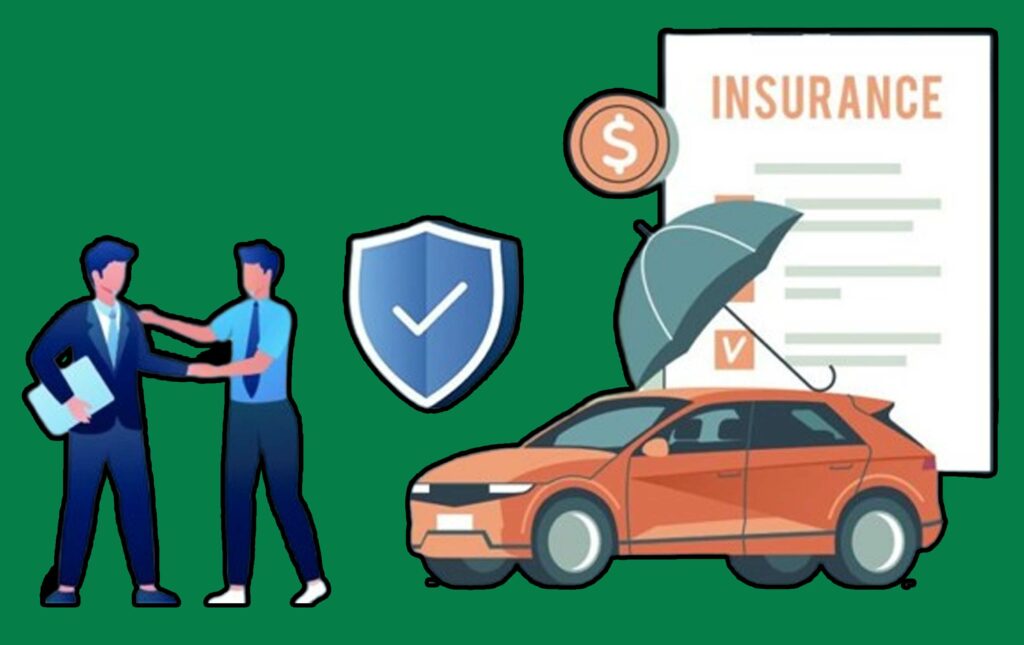
Six Types of Car Insurance Fraud – Car insurance is designed to protect drivers from financial loss after an accident or unexpected event. It ensures that people can repair their vehicles, cover medical expenses, and recover from damage without facing unbearable costs. However, not everyone uses the system honestly. Each year, insurance companies lose billions of dollars to car insurance fraud—a crime that involves deliberately deceiving an insurer for personal gain.
Six Types of Car Insurance Fraud

Car insurance fraud doesn’t just affect companies; it affects every honest driver on the road. When fraudulent claims rise, insurance companies increase premiums to recover their losses. This means that hardworking policyholders end up paying higher rates for coverage they rightfully deserve. Fraud also wastes valuable resources, delays legitimate claims, and erodes trust between insurers and consumers.

Understanding the types of car insurance fraud that exist is one of the best ways to prevent falling victim to them—or being wrongly accused of one. Some scams are well-organized, involving multiple people, while others are simple exaggerations of genuine claims. Regardless of how small or large they may seem, all forms of insurance fraud are illegal and can lead to severe penalties, including fines, loss of coverage, and imprisonment.

Six Types of Car Insurance Fraud

Below are six of the most common types of car insurance fraud, how they work, and what you can do to protect yourself.

1. Staged Accidents

Staged accidents are among the most dangerous and costly forms of insurance fraud. They occur when one or more individuals intentionally cause a collision to file false claims for vehicle repairs, medical bills, or both. For example, a driver may deliberately slam on the brakes in front of another vehicle, making it appear as though the trailing driver was at fault.

These schemes often involve multiple participants, including fake witnesses, dishonest repair shops, and corrupt medical providers who exaggerate injuries. Staged accidents can put innocent drivers in harm’s way and result in higher premiums for everyone. To protect yourself, stay alert on the road, install a dashcam, and gather as much evidence as possible if you suspect foul play during an accident.

2. Exaggerated Claims

Not all insurance fraud involves completely fake accidents. Sometimes, it’s as simple as exaggerating the truth. This happens when a driver inflates the extent of vehicle damage or medical injuries after a legitimate incident. A small dent might be claimed as major structural damage, or a minor neck strain could be exaggerated into a long-term disability.

These exaggerations increase claim payouts and cost insurers millions annually. Adjusters often detect such fraud by comparing repair estimates, reviewing medical documentation, and checking inconsistencies in statements. To avoid suspicion, always report accidents honestly and provide accurate evidence such as photographs and repair invoices.

3. Phantom Vehicles or Hit-and-Run Fabrications

Another common scam involves phantom vehicles—fake hit-and-run incidents designed to cover up a driver’s fault or damage they caused themselves. In this case, a person might claim another car struck them and fled the scene, leaving no witnesses or evidence.

Insurance investigators carefully examine the details of these claims, looking for inconsistencies in damage patterns or a lack of supporting proof such as CCTV footage or eyewitness accounts. Fabricating a phantom vehicle is a serious offense that can result in criminal charges. The best way to protect yourself is to file accurate reports and contact law enforcement immediately after any legitimate hit-and-run.

4. Rental and Repair Shop Scams

Some car insurance fraud involves collusion between drivers and service providers such as repair shops, tow truck operators, or rental agencies. These scams can include overcharging for repairs, billing for unnecessary parts, or keeping a rental vehicle longer than required to inflate charges.

Fraudulent repair shops might also use low-quality parts while billing insurers for premium materials. To avoid falling into such traps, always use repair shops recommended by your insurer, ask for detailed invoices, and get multiple estimates before approving repairs. Honest communication and transparency with your insurance company are key to preventing these costly schemes.

5. False Medical Injury Claims

Medical-related car insurance fraud is one of the most sophisticated forms of deceit. It involves individuals or organized groups submitting fake or exaggerated medical claims after an accident. In some cases, the injuries never happened; in others, clinics bill insurers for treatments that were never provided.

Fraudulent medical claims are difficult to detect because they often rely on falsified records and fabricated medical reports. However, insurers work with doctors, auditors, and law enforcement agencies to identify suspicious billing patterns or repeat offenders. Policyholders should ensure their medical treatments are legitimate and properly documented to avoid any issues during claim reviews.

6. Premium Evasion and Misrepresentation

Premium evasion happens when applicants lie on their insurance application to secure a lower rate. They might provide false information about where the vehicle is stored, who the main driver is, or how far they drive each year. Some people even register their cars in different locations to take advantage of cheaper rates.

While this might seem harmless at first, misrepresentation is a form of fraud and can result in denial of claims, policy cancellation, or legal action. Insurers verify details through driving records, telematics data, and claim histories. Honesty during application ensures your policy remains valid and protects you from unnecessary complications in the future.

Final Thoughts

Car insurance fraud is a serious problem that impacts everyone—not just the perpetrators. It increases premiums, slows down legitimate claims, and undermines trust in the entire insurance system. Whether it’s a staged accident, a fake injury, or a dishonest repair claim, every act of fraud carries consequences.

By understanding these six types of car insurance fraud, drivers can recognize warning signs, stay alert, and help keep the system fair. Always report suspicious behavior, cooperate with your insurer, and be truthful in your claims. Responsible policyholders play an important role in keeping premiums affordable and ensuring that insurance continues to serve its real purpose: protecting people in times of genuine need.
What is Adhesion Insurance?

0

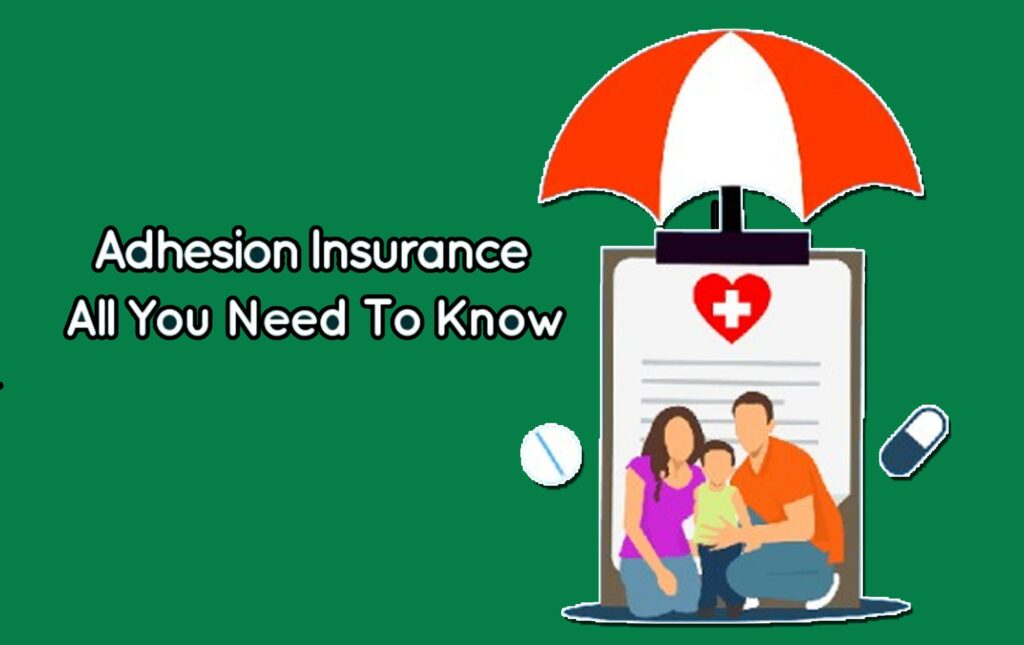
Insurance contracts can often seem complicated, full of fine print and legal terms that favor one party over the other. One such concept that defines this relationship is Adhesion Insurance, also known as a Contract of Adhesion. This type of insurance agreement highlights the unequal bargaining power between the insurer and the insured. This shoiws how insurance policies are usually written and accepted.

What is Adhesion Insurance?

Meaning of Adhesion Insurance

Adhesion Insurance refers to a type of insurance contract where one party (the insurer) prepares and dictates all the terms and conditions, while the other party (the insured) has little or no ability to negotiate. In simpler terms, it’s a “take it or leave it” kind of agreement.

The insured person cannot alter, edit, or modify the policy’s language; they can only accept or reject it as presented. This is common in most modern insurance arrangements, including health, car, home, and life insurance policies, where standardized forms are used to ensure consistency and efficiency.

How Adhesion Insurance Works

When you buy an insurance policy, the company provides you with a prewritten contract that contains all the terms. This includes the coverage details, exclusions, premiums, and claim procedures. You, as the insured, simply review the document and decide whether you want to accept it.

You do not get to negotiate individual clauses or demand that certain sections be rewritten in your favor. Once you agree and pay your premium, the contract becomes binding, and both parties must follow its terms.

However, because the insurer creates the contract, the law typically protects the insured from unfair ambiguity. Courts often interpret unclear or confusing terms in favor of the policyholder, not the insurance company. This ensures that insurers do not exploit their position of power through complex or misleading language.

Why Adhesion Insurance Exists

Insurance contracts are standardized mainly to make the process easier, faster, and more affordable. If every customer were to negotiate individual terms, the process would become time-consuming and expensive for both sides. Standardization allows insurers to process thousands of policies efficiently while ensuring that coverage terms remain uniform.

Moreover, most insurance buyers are not legal or financial experts. Adhesion contracts help simplify the experience by presenting a complete, ready-to-sign document that outlines all obligations clearly. It also helps maintain regulatory compliance since policy language must often meet government-approved standards.

Key Legal Principle

One of the most important legal doctrines governing Adhesion Insurance is known as “Contra Proferentem.” This principle means that if there’s any ambiguity or unclear wording in the contract, the interpretation should favor the insured — the party who did not draft the document.

This rule exists to balance the scales of power between the insurer and the insured, ensuring fairness in cases where policy language might be confusing or overly technical. For instance, if a term like “accidental damage” is not clearly defined, and a dispute arises, the court is more likely to interpret it in a way that benefits the policyholder.

Advantages of Adhesion Insurance

Despite seeming one-sided, Adhesion Insurance has its advantages. It simplifies the purchasing process by eliminating lengthy negotiations, allowing customers to get coverage quickly. It also provides uniform terms, which helps reduce disputes and confusion since every policyholder knows exactly what is covered.

Additionally, standardized contracts often help lower administrative costs, which can lead to more affordable premiums for consumers. And because courts tend to protect the insured in cases of unclear language, policyholders have a legal safeguard against potential misuse.

Disadvantages of Adhesion Insurance

The main disadvantage of Adhesion Insurance is the lack of bargaining power for the insured. Since the terms are fixed, you must either accept the policy as it is or look for a different insurer. This can be frustrating, especially when you feel that certain clauses are unfavorable or restrictive.

Another challenge is that most policyholders do not fully understand the complex legal and technical terms in their contracts. This can lead to misunderstandings about what is covered or excluded, often causing disappointment during claims. Therefore, it’s essential to read and understand every part of the policy — or seek help from a licensed insurance agent — before agreeing to it.

Examples of Adhesion Insurance

Adhesion Insurance can be found in nearly every type of insurance product. For example, when you purchase car insurance, the company provides a standardized contract that outlines your coverage, liability limits, and exclusions. You cannot modify it; you can only accept the policy if you agree with its terms.

Similarly, health and homeowners insurance follow the same format. The insurer offers a set of predesigned packages, and your role is to choose the one that fits your needs and budget — not to rewrite the policy language.

Final Thoughts

Adhesion Insurance is the foundation of most insurance policies today. It reflects the reality that insurance companies must maintain consistency, efficiency, and fairness while providing protection to millions of policyholders. Although it may seem one-sided, legal protections ensure that insurers cannot abuse their power, and any unclear terms will generally be interpreted in favor of the insured.

To get the most out of your coverage, always read your policy carefully, ask questions about unclear sections, and consult an expert when necessary. Understanding Adhesion Insurance helps you make informed decisions and ensures that you know your rights and responsibilities before signing any policy.

In essence, Adhesion Insurance is about trust and balance the insurer provides ready protection, and the law ensures that the policyholder is treated fairly.

What is Contents Insurance in Homeowners Coverage?

0

What is Contents Insurance in Homeowners Coverage? When you think about homeowners insurance, the first thing that probably comes to mind is protection for your house; the walls, roof, and structure that make up your home. But what about the things inside your home? Your furniture, electronics, clothing, jewelry, and other personal belongings also hold significant value.

That’s where contents insurance comes in. Contents insurance, also known as personal property coverage, is a key part of homeowners insurance that protects your personal belongings against loss or damage due to covered events such as fire, theft, vandalism, or certain natural disasters.

Understanding Contents Insurance

Contents insurance is designed to cover everything inside your home that is not permanently attached to the structure. Think of it as protection for your personal possessions—the items that would fall out if you turned your house upside down. It covers things like furniture, home appliances, clothes, gadgets, décor, and even items stored in your garage, basement, or shed.

In the event of a covered incident such as a fire or burglary, contents insurance helps you repair or replace these belongings without bearing the entire financial burden. Without it, replacing everything you own could cost tens of thousands of dollars, which could be devastating to most homeowners.

How Contents Insurance Works

When you purchase homeowners insurance, contents coverage is usually included as part of the overall policy. The coverage typically applies to your belongings inside the home and may also extend to items you take with you outside, such as a laptop stolen from your car or luggage lost during travel.

In case of loss or damage, you’ll file a claim with your insurer. After reviewing your claim and confirming that the loss is covered, the insurer will reimburse you based on your policy’s coverage type—either Actual Cash Value (ACV) or Replacement Cost Value (RCV).

  • Actual Cash Value reimburses you for the current market value of your damaged or lost items, taking depreciation into account. This means you’ll receive less than what you originally paid for the item.
  • Replacement Cost Value covers the amount it would cost to buy a brand-new replacement of the same kind and quality, without deducting for depreciation.

While replacement cost coverage generally has higher premiums, it provides better protection and ensures you can replace your belongings without financial strain.

What Contents Insurance Typically Covers

Contents insurance offers protection for a wide range of personal items. Some of the most common include:

  • Furniture such as sofas, beds, and tables.
  • Electronics like televisions, computers, and sound systems.
  • Clothing, shoes, and accessories.
  • Kitchen appliances and cookware.
  • Books, art, and decorations.
  • Sporting equipment and musical instruments.

It also extends to personal items stored in other parts of your property such as garages, sheds, and sometimes even off-premises locations. For example, if your child’s laptop is stolen from their college dorm, your homeowners contents insurance may cover it, depending on the policy.

However, it’s important to note that there are limits on certain high-value items such as jewelry, antiques, fine art, or collectibles. To ensure full protection for these valuables, homeowners can purchase scheduled personal property coverage, which provides higher limits and broader protection for specified items.

Events Covered Under Contents Insurance

Contents insurance covers your belongings against various unexpected events, often referred to as perils. These may include:

  • Fire and smoke damage.
  • Theft or burglary.
  • Vandalism or malicious mischief.
  • Windstorms and hail.
  • Lightning strikes.
  • Water damage from burst pipes (not flooding).
  • Explosions or falling objects.

However, not every type of damage is covered. For instance, losses due to floods or earthquakes typically require separate policies or endorsements. Always review your insurance policy carefully to understand which perils are covered and which are excluded.

How to Determine the Right Coverage Amount

Determining how much contents insurance you need requires an accurate understanding of your possessions’ total value. The best way to do this is by creating a home inventory—a detailed list of your personal belongings along with their estimated value, purchase dates, and receipts if available. This not only helps you determine appropriate coverage but also simplifies the claims process if something goes wrong.

A common rule of thumb is to ensure your contents insurance equals 50% to 70% of your home’s total insured value, though this may vary based on your lifestyle and possessions. For example, a homeowner with many luxury items may need more extensive coverage than someone with basic household furnishings.

Why Contents Insurance Matters

Contents insurance is vital because your possessions are more than just material items—they represent years of hard work, personal memories, and comfort. Replacing them after a disaster could be financially overwhelming. With contents insurance, you can have peace of mind knowing that if something unexpected happens, you won’t have to start from scratch.

It also protects you against common everyday risks. Even a small fire or water leak can damage your belongings beyond repair. Without proper insurance, you’d bear the full cost of replacement, which can easily reach thousands of dollars.

Tips for Maximizing Your Contents Coverage

To get the most from your contents insurance, always keep an updated inventory of your possessions, store receipts for expensive purchases, and take photos or videos of each room for reference. Review your policy periodically, especially after major purchases or home improvements, to ensure your coverage remains adequate.

You should also consider adding endorsements or riders for valuables such as jewelry, fine art, or collectibles that exceed your policy’s standard limits. This guarantees full protection if those items are lost or damaged.

Final Thoughts

Contents insurance is a crucial part of homeowners coverage that protects the personal belongings inside your home. It ensures that whether you experience a fire, theft, or other covered event, you have financial support to replace what you’ve lost. By understanding how contents insurance works and ensuring you have adequate coverage, you can safeguard your possessions and maintain peace of mind no matter what life brings your way.

In short, while the structure of your home may be its foundation, the contents inside are what truly make it yours—and they deserve the same level of protection.

Single Premium Life Insurance

0

Life insurance is often seen as a long-term financial commitment that requires consistent premium payments over time. However, not everyone wants to deal with monthly or annual premiums. For those who prefer a one-time investment that provides lifelong coverage, Single Premium Life Insurance (SPLI) offers an appealing option.

This form of life insurance combines the benefits of permanent coverage with the convenience of a single lump-sum payment, making it ideal for individuals seeking both security and investment growth.

What is Single Premium Life Insurance?

Single Premium Life Insurance is a type of permanent life insurance that requires just one upfront payment to fully fund the policy for life. After this one-time payment, no additional premiums are ever needed. Once the policy is active, it provides an immediate death benefit to the insured’s beneficiaries. And often builds cash value over time, similar to whole life or universal life insurance policies.

Because the policy is fully paid from the start, it remains active for the rest of your life without the risk of lapsing due to missed payments. This makes it particularly attractive for individuals who have accumulated significant savings and want to secure both long-term protection and a tax-advantaged financial asset.

How It Works

When you purchase a Single Premium Life Insurance policy, you make a lump-sum payment to the insurance company. The insurer then uses part of that payment to provide your life insurance coverage. And invests the remaining portion to help the policy grow in cash value over time. The cash value functions as a savings component within the policy, growing on a tax-deferred basis.

This cash value can be accessed during your lifetime through withdrawals or loans, making it a flexible financial tool. However, any unpaid loan or withdrawal reduces the death benefit paid to your beneficiaries when you pass away. The amount of coverage you receive depends on the size of your single premium, your age, and your health at the time of purchase.

Key Benefits of Single Premium Life Insurance

One of the main advantages of SPLI is immediate, lifelong coverage. Unlike traditional policies that require years of payments, your coverage is active the moment your lump sum is processed. This makes it a quick and efficient way to secure your family’s financial future.

Another benefit is tax efficiency. The policy’s cash value grows tax-deferred, meaning you do not pay taxes on the gains each year. Additionally, the death benefit is generally paid to beneficiaries tax-free, making it a valuable estate planning tool.

Single Premium Life Insurance also serves as a stable investment option. Because part of your premium earns interest or returns depending on the policy type, it can help preserve and grow your wealth. Many individuals use SPLI to pass on a guaranteed inheritance, diversify their portfolio, or create liquidity for estate taxes.

Lastly, there is the peace of mind that comes from knowing the policy is fully paid. You never have to worry about missing payments, premium increases, or policy cancellations due to non-payment. The simplicity of a one-time payment appeals to retirees and financially stable individuals who want to lock in lifelong protection without ongoing obligations.

Potential Drawbacks to Consider

While Single Premium Life Insurance has clear advantages, it is not the right fit for everyone. The first and most obvious consideration is cost. Since the entire premium is paid upfront, the required amount can be quite high often several thousand. Or tens of thousands of dollars depending on your desired coverage. This makes it more suitable for individuals who have available cash reserves or investment income rather than those living paycheck to paycheck.

Another drawback is that liquidity can be limited, especially in the early years of the policy. Withdrawing money or canceling the policy too soon may result in surrender charges or tax penalties. Moreover, if the policy is classified as a Modified Endowment Contract (MEC) by the IRS, any loans or withdrawals you take from it before age 59½ could be subject to income tax and penalties.

Finally, because the policy’s death benefit depends on your age and health, older applicants. Or those with medical conditions may receive a lower payout for the same premium compared to younger, healthier individuals.

Who Should Consider Single Premium Life Insurance?

Single Premium Life Insurance is best suited for individuals who have a lump sum of money they do not need for daily expenses and who want to use it strategically for protection or legacy planning. Retirees, business owners, or people who have received an inheritance often use this policy type to ensure that their wealth is passed on efficiently.

It also appeals to those who prefer simplicity in their financial planning. Instead of worrying about annual or monthly payments, the policyholder can make one payment and enjoy lifelong benefits. Additionally, it is an excellent option for people interested in supplementing their retirement income through tax-advantaged cash value accumulation.

Single Premium Life Insurance vs. Traditional Life Insurance

The key difference between single premium and traditional life insurance lies in the payment structure. Traditional policies require ongoing premium payments over time, while a single premium policy requires only one lump sum. Although the upfront cost of SPLI is higher, it eliminates the risk of missed payments and provides immediate coverage.

Traditional life insurance may offer more flexibility for those who cannot afford a large one-time payment. However, for those who can, SPLI often offers better long-term value, especially when factoring in cash value growth and tax advantages.

Final Thoughts

Single Premium Life Insurance offers a powerful blend of convenience, security, and financial growth. With just one payment, you can secure lifelong coverage, build cash value, and leave a lasting financial legacy for your loved ones. It is particularly beneficial for people who want to maximize their wealth’s impact, simplify their estate planning, or ensure that their loved ones are financially protected without ongoing premium obligations.

However, as with any major financial decision, it’s important to consult a financial advisor or insurance professional before purchasing a policy. They can help you determine whether Single Premium Life Insurance aligns with your goals, risk tolerance, and long-term financial plan.

In essence, Single Premium Life Insurance is more than just a policy. It’s a lifetime commitment made simple, offering protection, growth, and peace of mind all in one well-structured investment.

Should You Pay Car Insurance in Installments?

0

Should You Pay Car Insurance in Installments? When it’s time to pay for car insurance, one of the first decisions you’ll face is how to make your payments. Should you pay the entire premium upfront, or would it be better to spread the cost over monthly installments?

Should You Pay Car Insurance in Installments?

At first glance, paying in installments sounds convenient it breaks a large bill into smaller, manageable amounts. However, there’s more to this decision than just convenience. Understanding why you should Pay Car Insurance in Installments, their pros and cons, and how they affect your overall costs will help you make a financially smart choice.

How Car Insurance Payments Work

Car insurance companies typically give you two main payment options: paying in full or paying in installments.

  1. Paying in Full: You pay the total amount of your premium upfront for the policy period, usually six or twelve months. Once paid, you don’t owe anything else until your policy renews.
  2. Paying in Installments: Instead of paying the entire premium at once, you can split it into monthly, quarterly, or bi-monthly payments. This option spreads the cost over time, making it easier to fit into your monthly budget.

Each method has financial implications, and your choice can affect not just your cash flow but also how much you ultimately pay for coverage.

Why Pay Car Insurance in Installments

Easier on Your Budget    

The biggest advantage of installment payments is flexibility. Not everyone can afford to pay hundreds or even thousands of dollars upfront. Paying monthly or quarterly allows you to manage your budget more comfortably without straining your finances.

This option is especially useful for young drivers, students, or families juggling multiple expenses. Instead of one large payment, you can plan for smaller, consistent payments throughout the year.

 Continuous Coverage

Paying in installments can help you maintain continuous insurance coverage, even if you can’t afford a lump-sum payment. This prevents lapses that could lead to penalties, higher premiums later, or even legal trouble in states where car insurance is mandatory.

Opportunity to Adjust Coverage

When you pay monthly, you have more flexibility to make changes to your policy mid-term. For instance, if you sell your car, move to a new area, or want to switch insurers, you won’t have to worry about waiting for a large refund from an annual payment.

Drawbacks of Paying Car Insurance in Installments

Additional Fees and Interest

The biggest downside of installment payments is that most insurers charge additional fees or interest for the convenience. These can come in the form of processing fees, service charges, or installment surcharges.

For example, an insurer might charge $5–$10 per month for monthly payments. Over a 12-month policy, that’s an extra $60–$120 per year money you could have saved by paying upfront.

Risk of Missed Payments

When you pay monthly, you need to stay disciplined about paying on time. Missing a payment could result in late fees, temporary suspension of your policy, or even cancellation. A lapse in coverage could also increase your future premiums, as insurers view missed payments as a sign of financial instability.

Higher Total Cost

Even if installment fees seem small, they add up over time. Paying your premium in full almost always costs less overall. Many insurance companies even offer a discount (typically 5–10%) for policyholders who pay in one lump sum.

When Paying in Installments Makes Sense

Despite the extra cost, paying in installments can be the right choice in certain situations. For example:

  • If you’re on a tight budget: Spreading payments out prevents financial strain and allows you to keep your coverage active.
  • If you’re building your credit: Consistently making on-time payments shows financial responsibility and can help improve your credit history if your insurer reports payments.
  • If you expect financial changes soon: If you’re between jobs or waiting for an income increase, monthly payments can keep you covered without overwhelming you financially.

In these cases, the slightly higher cost may be worth the flexibility and convenience.

When Paying in Full Is the Smarter Choice

If you have enough savings or disposable income, paying your car insurance premium in full often makes more sense. Here’s why:

  • You can save money on installment and administrative fees.
  • You’ll likely qualify for a pay-in-full discount from your insurer.
  • You won’t have to worry about missed payments or policy cancellations.
  • It’s one less monthly bill to manage, which can simplify your finances.

Ultimately, paying in full gives you peace of mind and can help you spend less in the long run.

Tips to Manage Car Insurance Payments

  1. Ask about discounts: Many insurers reward customers who pay upfront or set up automatic payments.
  2. Consider auto-pay options: If you prefer installments, enrolling in automatic payments can prevent missed due dates and late fees.
  3. Compare policies: Some companies charge lower installment fees than others. Shop around before deciding.
  4. Budget ahead: If you plan to pay in full next term, start setting aside money monthly so the lump-sum payment is easier to handle later.

Final Thoughts

Deciding whether to pay car insurance in installments depends on your financial situation and priorities. Paying in full is generally the cheaper option it saves you money on fees and can even earn you a discount. However, if paying the entire premium upfront would put a strain on your finances, paying in installments can be a smart and manageable choice.

The key is to weigh cost versus convenience. If installment payments help you maintain consistent coverage without financial stress, they’re worth it. But if you can comfortably afford to pay your premium in one go, doing so could save you money and simplify your life. In the end, the best choice is the one that keeps you insured, financially stable, and stress-free on the road.

Life Insurance Policy Loans: Everything You Need to Know

0

Life Insurance Policy Loans – Life insurance is often viewed purely as a way to provide financial protection to your loved ones after you pass away. However, certain types of life insurance can also serve as a financial tool that supports you while you’re still alive. One of the most practical features available to policyholders with permanent life insurance is the policy loan option.

Life Insurance Policy Loans

This allows you to borrow money from the cash value that has accumulated in your policy. Understanding how life insurance policy loans work, their benefits, and their potential drawbacks can help you make smarter financial decisions.

What Is a Life Insurance Policy Loan?

A life insurance policy loan is a type of borrowing that allows you to access the cash value of your permanent life insurance policy. Permanent policies such as whole life or universal life insurance build cash value over time through a portion of your premium payments. Once that cash value reaches a certain amount, you can borrow against it instead of going through traditional lenders.

Unlike bank loans or credit cards, you do not need to undergo a credit check or provide collateral to access the funds. Essentially, you are borrowing from yourself, with the insurance company using your policy’s cash value as the security for the loan. The process is straightforward and typically involves requesting a loan from your insurer, who then disburses the funds within a few days.

How a Policy Loan Works

When you take a life insurance policy loan, you are not withdrawing money from your policy’s cash value; instead, you are borrowing against it. This means your cash value remains intact and continues to grow, but the insurer charges you interest on the loan amount. The interest rate may be fixed or variable, depending on your insurer’s terms.

There is no fixed repayment schedule for a policy loan, which gives you a lot of flexibility. You can choose to repay it on your own terms or even decide not to repay it at all. However, unpaid loans and accumulated interest will reduce your policy’s death benefit and cash value over time. This means that if you pass away before repaying the loan, your beneficiaries will receive a smaller payout.

Advantages of Life Insurance Policy Loans

One of the main benefits of a life insurance policy loan is easy access to cash without the need for credit approval. This can be especially useful in emergencies, such as covering medical expenses, education costs, or temporary financial difficulties. Since you’re essentially borrowing from yourself, the funds are available quickly and without the red tape associated with traditional loans.

Another advantage is that the loan does not affect your credit score. Because it is not reported to credit bureaus, you can borrow and repay the amount as needed without worrying about your credit history. The interest rates on policy loans are also typically lower than what you would pay on credit cards or personal loans.

Additionally, as long as your policy remains active and has sufficient cash value, you can borrow multiple times during your lifetime. The flexibility of repayment is another major advantage since you can choose to repay when it’s most convenient for you rather than following a strict schedule.

Potential Drawbacks to Consider

While life insurance policy loans offer flexibility and convenience, they are not without risks. One of the biggest downsides is that unpaid loans can reduce your death benefit. If you fail to repay the borrowed amount and interest continues to accumulate, your beneficiaries could receive a significantly smaller payout when you die.

Another risk is that if the outstanding loan balance ever exceeds the cash value of your policy, the policy could lapse. This means your coverage would end, and the remaining loan balance could become taxable.

It’s also important to note that while you are not required to make payments, the interest on the loan continues to grow. Over time, that can eat into your policy’s cash value and make it difficult to restore the original amount.

When to Use a Life Insurance Policy Loan

Using a life insurance policy loan should be a strategic decision. It can be a smart financial move when you’re facing short-term financial needs and prefer to avoid high-interest loans. For instance, you might use it to fund a child’s education, cover emergency expenses, or supplement retirement income.

However, policy loans are best used as a last resort rather than a first option. You should always have a clear plan for repayment to prevent reducing the long-term value of your policy. Consulting a financial advisor before taking out a policy loan can also help you weigh the pros and cons based on your unique financial situation.

Repaying a Policy Loan

Although repayment is flexible, it is still in your best interest to repay the loan as soon as possible. Doing so restores your policy’s full cash value and ensures that your beneficiaries receive the complete death benefit. Most insurance companies allow you to make repayments in small installments or lump sums, and you can often choose how frequently to pay.

If you decide not to repay, make sure you regularly monitor your policy to ensure the loan balance does not approach the total cash value. Failure to do so could lead to policy termination or an unexpected tax liability.

Final Thoughts

Life insurance policy loans can be an effective way to access cash quickly without dealing with traditional lenders or harming your credit score. They provide financial flexibility while keeping your long-term coverage intact provided you manage the loan responsibly.

Before taking out a policy loan, it’s essential to understand the implications it can have on your cash value and death benefit. Always review your policy terms carefully and consider speaking with a financial professional. Used wisely, a life insurance policy loan can serve as a powerful financial safety net, allowing you to make the most of your policy’s value while maintaining peace of mind for the future.

How to File a Home Insurance Claim

0

Your home is one of your most valuable assets, and homeowners insurance exists to protect it from unexpected events such as fire, theft, storms, or accidents. But when the unexpected happens, knowing how to file a home insurance claim correctly can make all the difference between a smooth, quick resolution and a stressful, drawn-out process.

How to File a Home Insurance Claim

Filing a claim may seem intimidating, but with the right steps and understanding, you can navigate it confidently and ensure you get the compensation you deserve.

How to File a Home Insurance Claim

Here is a step by step guideline on How to File a Home Insurance Claim;

Step 1: Assess the Damage and Ensure Safety

The very first thing to do after a loss is to make sure you and your families are safe. Before you think about calling your insurance company, ensure the property is secure and free from immediate danger. For example, if a fire breaks out or a storm causes structural damage, wait until authorities declare it safe to enter. Safety should always come before documentation or recovery efforts.

Once it’s safe, take a moment to assess the extent of the damage. Try to determine whether it’s significant enough to file a claim or something you can handle out of pocket. For minor damages that cost less than your deductible, it might not be worth filing a claim, as doing so could affect your premium rates in the future.

Step 2: Document Everything Thoroughly

Proper documentation is the backbone of any successful insurance claim. Start by taking clear, detailed photographs or videos of all damaged areas, personal belongings, and affected structures. Make sure your photos show the scale of the damage and include different angles.

If possible, gather evidence of the incident’s cause such as police reports in cases of theft or vandalism, or fire department records in case of a fire. Keep receipts for any emergency repairs or temporary housing you pay for, as many policies will reimburse these costs.

It’s also a good idea to have a home inventory a list of all your possessions with estimated values, purchase dates, and receipts. This will make the claims process faster and help the insurer verify your losses.

Step 3: Contact Your Insurance Company Promptly

Once you’ve documented everything, contact your insurance provider as soon as possible. Most insurers have a specific window often within 24 to 48 hours after the incident to report a claim. Delays can lead to complications or even denial of your claim, especially if further damage occurs due to inaction.

When contacting your insurer, provide a clear summary of what happened and the extent of the loss. They will guide you through the next steps and assign a claims adjuster, who will handle your case. It’s important to take note of the claim number, the adjuster’s name, and contact information, as you’ll need them throughout the process.

Step 4: Prevent Further Damage

Homeowners insurance requires you to take reasonable steps to prevent additional damage after an incident. This means you should make temporary repairs to secure your home, such as covering a broken window with plastic sheeting or placing a tarp over a damaged roof.

Keep all receipts from these temporary fixes your insurer will likely reimburse them. However, avoid making permanent repairs before your claim is approved, as doing so might interfere with the adjuster’s ability to accurately assess the damage.

Step 5: Meet the Insurance Adjuster

After filing your claim, your insurer will assign a claims adjuster to inspect the damage and estimate repair or replacement costs. During this visit, walk the adjuster through all affected areas and provide your documentation photos, receipts, and any inventory list you have.

Be honest and thorough during the inspection. The adjuster’s evaluation will largely determine how much compensation you’ll receive. If you disagree with their estimate or believe it’s too low, you can request a re-evaluation or hire an independent adjuster for a second opinion.

Step 6: Review the Settlement Offer

After the adjuster completes their assessment, your insurer will send you a settlement offer outlining how much they will pay for the repairs or replacements. Take your time to review this offer carefully. Compare it with your own estimates from contractors or repair specialists to ensure it’s fair.

If you believe the payout doesn’t cover the full cost of the damage, you have the right to dispute the claim. Provide additional documentation or quotes that support your case. Remember, negotiation is part of the process your insurer’s first offer isn’t always final.

Step 7: Complete the Repairs and Keep Records

Once the settlement is agreed upon, you can proceed with hiring professionals to repair or rebuild your home. Choose licensed and insured contractors, and keep copies of all contracts, invoices, and receipts. Your insurance company may request these documents to verify that repairs were made.

In some cases, your insurer may issue payments in stages part upfront to start repairs and the rest once the work is completed. Be sure to stay in communication with your adjuster throughout this phase to ensure the process moves smoothly.

Step 8: Follow Up and Close the Claim

After all repairs are done and payments have been made, confirm with your insurance company that your claim is officially closed. Keep all paperwork related to your claim correspondence, receipts, and photos in a safe place. This documentation may be useful for future claims or in case of disputes.

It’s also a good time to review your current policy and coverage limits. If you discovered that your insurance didn’t cover as much as you expected, consider adjusting your policy to better protect your home in the future.

Final Thoughts

Filing a home insurance claim can feel overwhelming, especially when you’re dealing with loss or damage, but understanding the process makes it much easier. Acting quickly, documenting everything thoroughly, communicating clearly with your insurer, and staying organized are key to getting your claim resolved fairly and efficiently.

Remember, your insurance policy is there to protect you when life takes an unexpected turn. By following the right steps and staying proactive, you can recover faster, minimize financial stress, and restore your home and peace of mind with confidence.

Does Pet Insurance Cover Microchipping?

0

Does Pet Insurance Cover Microchipping? Microchipping your pet is one of the most responsible steps you can take as a pet owner. It provides permanent identification that can help reunite you with your pet if they ever get lost. But since veterinary costs can add up, many pet owners wonder. Whether pet insurance covers microchipping or if they’ll have to pay for it out of pocket.

Does Pet Insurance Cover Microchipping?

The answer depends on your insurance provider and the type of plan you choose. In most cases, traditional pet insurance policies that focus on accidents and illnesses do not cover microchipping. However, many insurance companies offer optional wellness or preventive care plans that do include microchipping as part of their coverage package. Understanding how these plans work will help you decide whether adding one makes sense for you and your pet.

What Microchipping Is and Why It Matters

Microchipping is a simple, quick procedure in which a veterinarian inserts a tiny microchip about the size of a grain of rice just under your pet’s skin, typically between the shoulder blades. The microchip contains a unique identification number that can be scanned by shelters or vets to retrieve your contact information from a secure database.

Unlike a collar or tag, which can fall off or be removed, a microchip provides permanent proof of ownership and significantly increases the chances of recovering a lost or stolen pet. According to studies, pets with microchips are much more likely to be returned to their owners than those without. Because of its effectiveness, many pet owners see microchipping as an essential part of responsible pet care.

Standard Pet Insurance and Microchipping

Most standard pet insurance policies are designed to cover unexpected veterinary expenses related to accidents or illnesses. That means they usually help pay for things like broken bones, infections, surgeries, or emergency treatments. Microchipping, however, is considered a preventive or elective procedure, which means it doesn’t fall under those categories.

In other words, if you only have a basic accident and illness plan, your insurance will not reimburse the cost of microchipping. You’ll need to pay for the procedure yourself. This typically costs between $25 and $60, depending on your vet clinic or animal shelter.

While that cost is relatively low compared to other veterinary procedures. It’s still worth checking if your insurance company offers an option to include it under a broader coverage plan.

Microchipping Under Wellness or Preventive Care Plans

If you want coverage for microchipping, you’ll likely need to purchase an add-on wellness or preventive care plan. These plans are designed to cover routine and preventive services that help keep your pet healthy year-round. In addition to microchipping, wellness coverage may include things like vaccinations, annual exams, flea and tick prevention, dental cleanings, and spaying or neutering.

With a wellness plan, the cost of microchipping is often fully or partially reimbursed, depending on your policy’s terms. You’ll typically pay an additional monthly fee for this add-on, but it can save money in the long run if you use other preventive services regularly.

Each insurer structures their wellness coverage differently, so it’s important to read the fine print. Some may reimburse you directly after you pay for the procedure, while others may have a set annual allowance for preventive care that includes microchipping.

How to Find Out If Your Policy Covers Microchipping

The best way to know whether your pet insurance covers microchipping is to review your policy documents or contact your provider directly. Look for terms like “preventive care,” “routine care,” or “wellness coverage.” If your current plan doesn’t include it, ask about adding a wellness rider or upgrading to a comprehensive policy that does.

Before purchasing a new plan, it’s also smart to compare multiple insurers. Some companies automatically include microchipping in their wellness coverage, while others treat it as an optional add-on. Reading reviews and comparing plan details can help you choose the most cost-effective option for your needs.

Is It Worth Getting Insurance for Microchipping?

If microchipping is the only preventive procedure you’re concerned about. It might be more affordable to pay for it out of pocket since it’s a one-time cost. However, if you’re interested in ongoing preventive care. Such as vaccinations, checkups, and parasite prevention, a wellness plan that includes microchipping could be worthwhile.

Think of it as an investment in your pet’s long-term health. A wellness plan ensures you stay consistent with preventive care while spreading costs over time, rather than paying large bills at once.

Final Thoughts

So, does pet insurance cover microchipping? The short answer is that most standard pet insurance plans do not, but many wellness or preventive care add-ons do. Since microchipping is a one-time, low-cost procedure, it’s often affordable to pay for it directly. However, if you value regular preventive care and want broader coverage, adding a wellness plan that includes microchipping can be a smart choice.

No matter how you decide to cover the cost, microchipping is one of the best ways to protect your pet and ensure their safe return if they ever get lost. It’s a small step that can make a life-changing difference for both you and your furry friend.

What is a Pet Insurance Deductible?

0

A pet insurance deductible is the amount of money you must pay out of pocket toward your pet’s veterinary expenses before your insurance coverage starts paying. In simpler terms, it’s your share of the cost before the insurance company steps in to cover the rest of the bill.

What is a Pet Insurance Deductible?

For example, let’s say your pet’s insurance policy has a $250 deductible. If your dog gets sick and the vet bill totals $1,000, you would first pay $250 yourself. After that, your insurance company would cover the remaining $750 (depending on your reimbursement rate).

How Does a Pet Insurance Deductible Work?

To understand how a deductible works, imagine your pet suddenly needs medical attention. For example, let’s say your dog eats something toxic and requires emergency treatment costing $1,000.

If your policy includes a $250 deductible, you will pay the first $250 yourself. After that, your insurance provider will step in to reimburse you based on your coverage percentage. If your policy covers 80% of the remaining bill, your insurer will pay 80% of $750, which equals $600. You will pay the remaining $150 out of pocket.

In this case, your total cost would be $400 ($250 deductible + $150 coinsurance), while your insurance company covers $600.

This example shows how deductibles and reimbursement rates work together to determine how much of the vet bill you’ll need to handle yourself.

Types of Pet Insurance Deductibles

Not all deductibles are the same. Insurance companies typically offer two main types of deductibles, and the one you choose affects how often you’ll have to pay it.

1. Annual Deductible

An annual deductible works just like it sounds you pay it once per year. Once you’ve met your deductible for that policy year, your insurance company will cover future claims for the rest of the year according to your plan’s terms.

For instance, if your deductible is $300 and your pet has two separate vet visits within the same year, you’ll only pay that $300 once. After that, any additional covered treatments will be reimbursed (minus your co-payment or coinsurance percentage).

Annual deductibles are the most common type because they’re simple, predictable, and easier to budget for.

2. Per-Incident (or Per-Condition) Deductible

A per-incident deductible requires you to pay a new deductible for every illness or injury your pet experiences.

For example, if your cat suffers from an ear infection in March and later develops a dental issue in August, you’ll need to pay the deductible twice—once for each separate incident.

While per-incident deductibles can work well for pets that rarely get sick, they can quickly become expensive if your pet has multiple health issues in a year.

How Deductibles Affect Your Premiums

The deductible amount you choose directly impacts your monthly premium—the amount you pay for insurance coverage.

  • If you choose a lower deductible, your monthly premiums will be higher, but you’ll pay less when filing a claim.
  • If you choose a higher deductible, your monthly premiums will be lower, but you’ll pay more upfront when your pet needs care.

Finding the right balance depends on your financial situation and your pet’s health history. If you prefer smaller vet bills when emergencies arise, go with a lower deductible. If you want to save money each month and can handle a bigger bill during an emergency, a higher deductible might be better.

What’s Not Affected by the Deductible

It’s important to note that not all expenses count toward your deductible. Routine wellness visits, vaccinations, dental cleanings, or preventive treatments are typically excluded—unless you have a wellness add-on. Deductibles usually apply only to covered illnesses and accidents, not regular checkups or optional procedures.

Additionally, most pet insurance deductibles reset each year, which means you’ll start again with a new deductible when your policy renews.

Tips for Managing Your Pet Insurance Deductible

  • Read the fine print carefully. Understand whether your plan uses an annual or per-incident deductible and what counts toward it.
  • Keep vet records and receipts. You’ll need them to file claims and track how much you’ve paid toward your deductible.
  • Budget for emergencies. Even with insurance, you’ll still pay your deductible and a portion of the remaining costs.
  • Review your plan each year. If your pet’s health changes, you can adjust your deductible or reimbursement level during renewal.

Final Thoughts

A pet insurance deductible determines how much you pay before your insurer begins covering your pet’s medical expenses. Understanding how it works helps you budget better for unexpected vet bills and choose a plan that fits your financial situation.

Whether you go for a low or high deductible, the key is to find a balance that provides peace of mind while keeping your pet protected without breaking your budget.

Broad Form Car Insurance: What It Is and How It Works

0

Car insurance can be confusing, especially with so many types of coverage available. One term that often causes confusion is broad form car insurance. Unlike standard policies that cover both you and your vehicle, broad form car insurance focuses primarily on covering the driver rather than the car.

Broad Form Car Insurance

This type of policy isn’t available everywhere, and it isn’t suitable for everyone but for the right person, it can be an affordable way to meet state insurance requirements. Below, we’ll explain what broad form car insurance is, what it covers, who it’s best for, and what to watch out for before you buy it.

What Is Broad Form Car Insurance?

Broad form car insurance is a minimal coverage option that provides liability protection for a single driver, no matter what car they’re driving whether it’s their own or a borrowed vehicle. Essentially, the insurance follows the person, not the car.

This means that if you cause an accident while driving, your insurance will pay for damages or injuries to others (up to your policy limits), but it won’t pay for damage to the vehicle you’re driving or your own injuries.

Broad form policies are designed to meet the state’s minimum liability coverage requirements, which make them a low-cost option for drivers who only need the bare essentials to stay legal on the road.

How It Differs from Standard Car Insurance

In a typical car insurance policy, coverage applies to a specific vehicle and may extend to multiple drivers listed on the policy. For example, your spouse or family members might also be covered when driving your car.

Thi car insurance, on the other hand, only covers one driver you. No one else can legally drive the vehicle under your policy, and if they do, your insurance won’t cover them.

Additionally, broad form coverage doesn’t include comprehensive or collision protection, so if your car is damaged by theft, vandalism, or a crash, you’ll be responsible for repairs or replacement costs out of pocket.

What Broad Form Car Insurance Covers

Broad form car insurance typically includes only liability coverage, which means it pays for:

  • Bodily injury liability: Covers medical expenses for other people injured in an accident you caused.
  • Property damage liability: Covers repair or replacement costs for other people’s vehicles or property damaged in an accident you caused.

That’s it. You won’t get coverage for your own injuries, medical bills, or damage to your vehicle. Most policies also exclude additional coverages such as:

  • Comprehensive coverage (for theft, fire, or natural disasters)
  • Collision coverage (for vehicle repairs after an accident)
  • Uninsured/underinsured motorist coverage
  • Medical payments (MedPay) or personal injury protection (PIP)

Who Should Consider Broad Form Car Insurance?

Broad form car insurance is not ideal for most drivers, but it can work well for certain situations. You might consider it if:

  • You own only one vehicle and are the only person who drives it.
  • You don’t care about coverage for vehicle damage, just liability protection.
  • You’re looking for the cheapest way to meet state insurance requirements.
  • You drive older or low-value vehicles that aren’t worth insuring for comprehensive or collision coverage.
  • You need temporary or minimal coverage while working toward a better insurance record.

However, if you frequently lend your car to family members or drive someone else’s vehicle often, a standard policy would be a safer and more flexible choice.

Where Broad Form Insurance Is Available

Not all states allow broad form car insurance. It’s typically available only in a handful of states such as Colorado, Idaho, Washington, and some others that permit minimal liability coverage options.

If you live in a state that doesn’t allow it, you’ll need to buy a standard liability or full coverage policy instead. Always check your state’s insurance laws or talk to a licensed insurance agent before applying.

Advantages

The main benefit of broad form insurance is affordability. Because it covers only one driver and provides minimal protection, it’s usually cheaper than standard policies. It can also be a good short-term solution for people who need to get back on the road quickly, such as after a license suspension.

Another advantage is simplicity. Since it only covers liability, it’s straightforward and easy to understand no need to worry about optional coverages or multiple drivers.

Disadvantages

The downside, however, is the limited protection it offers. You won’t be covered for your own injuries, damage to your vehicle, or accidents caused by other uninsured drivers.

Also, no one else is covered under your policy not your spouse, kids, or friends. If someone else drives your car and causes an accident, you’ll be fully responsible for the damages.

Broad form insurance also doesn’t meet coverage requirements for vehicles that are financed or leased, since lenders typically require full coverage (including comprehensive and collision).

Is Broad Form Car Insurance Right for You?

Broad form insurance might be right for you if you’re on a tight budget, own an older car, and are the only person who drives it. It can also work for drivers who want to maintain legal coverage while improving their driving record or paying off previous tickets.

However, if you value peace of mind, own a newer vehicle, or regularly share your car, a standard auto insurance policy is a much better option. The extra protection and flexibility are well worth the cost.

Final Thoughts

Broad form car insurance offers a simple, low-cost way to stay legally insured but it comes with major limitations. While it may seem appealing because of its low price, it leaves out essential coverages that could save you thousands after an accident.

Before purchasing broad form insurance, take time to evaluate your driving habits, vehicle value, and personal needs. Compare it with traditional liability and full coverage policies to see which one provides the best balance between affordability and protection.

In the end, the right insurance policy should not only meet state laws but also give you confidence every time you hit the road. Broad form car insurance may fit certain drivers perfectly but for most, broader protection is worth the investment.