Home Blog Page 17

Does Dental Insurance Cover Crowns

0

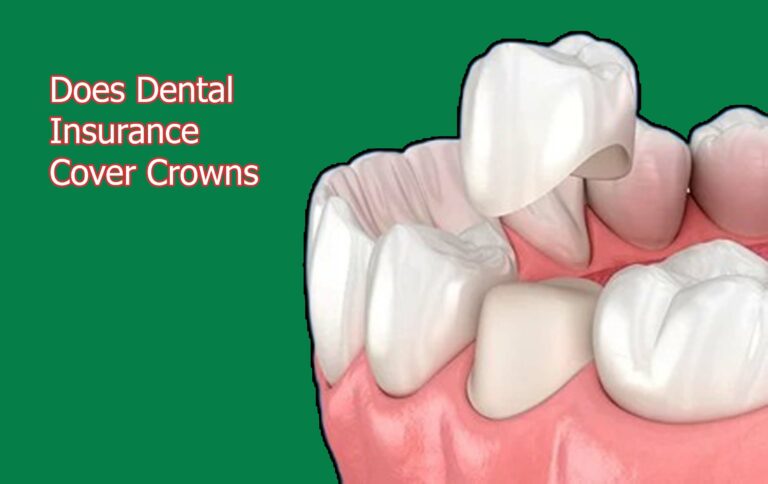
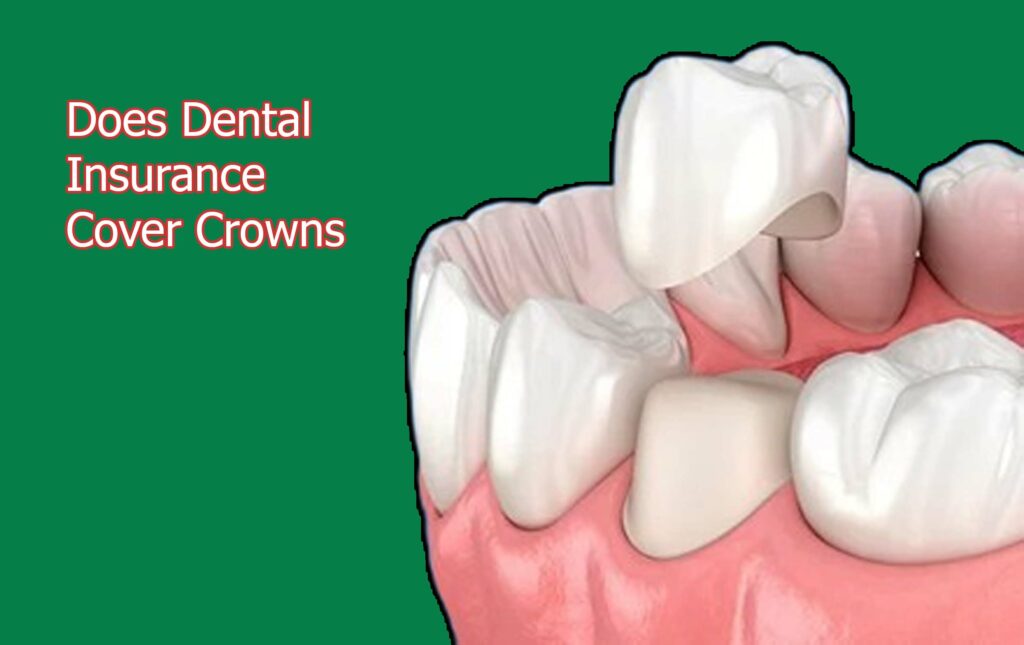
Dental insurance is an essential part when it comes to oral health maintenance, as it helps you handle dental care costs. Expensive procedures like dental crowns are one of the medical care that dental insurance helps policyholders cover. For those who are not aware, dental crowns are caps that are usually placed over a tooth to restore its appearance, shape, strength, and size.
This makes a lot of people with dental insurance ask this question: Does dental insurance cover crowns? As mentioned earlier, this is a very expensive medical procedure, and covering it out-of-pocket can be very hard, especially if you are not financially buoyant. In this article, you will be exploring the extent to which dental insurance covers crowns and events and situations where coverage may be denied.

Does Dental Insurance Cover Crowns?

The answer to the question, Does dental insurance cover crowns? is yes. A large majority of dental insurance plans offer crown coverage. However, the extent or level of coverage, as well as conditions, depends significantly on the specifics of the insurance policy.

Meanwhile, crowns are under a major procedure; therefore, full coverage will not always be accessed. Nevertheless, dental insurance offers coverage from 50% to 80% of the crown cost depending on the specifics of the policy.

When Does Dental Insurance Cover Crowns?

Dental insurance typically offers crown coverage because they are seen as medically necessary, unlike a purely cosmetic procedure. Here are some medically necessary reasons why dental insurance covers crowns:

  • Keeping a dental bridge in place.
  • Protecting a weak tooth.
  • Holding a cracked tooth together.
  • Improving a tooth’s appearance.
  • Restoring a broken tooth.
  • Covering a dental implant.
  • Covering and supporting a tooth with a large filling when there are no teeth left to hold it.

When is Coverage Not Received?

You may be able to get coverage for crowns with your dental insurance if any of the following happens:

  • Cosmetic reasons: If a crown is placed for aesthetic improvements without a functional necessity, insurance will not cover it.
  • Frequency limitations: Most insurance plans come with frequency limitations on how often they cover a crown on the same tooth. This is usually once every 5 to 10 years.
  • Pre-existing conditions: Some insurance policies do not cover conditions that were already existing or present before the person applied for an insurance policy.

What Does Typical Dental Insurance Cover?

Dental insurance usually covers a range of services that are categorized as basic, preventive, and major procedures. They include the following:

  • Routine cleanings.
  • Exams.
  • X-rays.
  • Fluoride treatments (in some cases).
  • Fillings.
  • Tooth extractions.
  • Root canals (in some cases).
  • Crowns.
  • Bridges.
  • Dentures.
  • Orthodontics (in some cases).

How Much Does a Dental Crown Cost With Insurance?

The price of getting a dental crown can differ depending on the insurance company, the geographic location, the material used, which is either metal, composite, or porcelain resins, and the fees of the dentist. On average, the cost of getting a crown is around $800 to $1,700, probably more per tooth if a person does not have insurance.

On the other hand, people with insurance may need to pay less depending on their insurance policy’s coverage limits, copayments, and deductibles. For example. If the crown’s total cost is $1200 and coverage is at 50%, the policyholder will be responsible for the $600 as well as any deductible.

What Happens If I Can’t Afford a Crown?

If you are unable to afford a dental crown, it is not the end of the world since there are other alternatives to check out. For instance, you can make use of dental discount plans and discover financing options or payment plans with your dentist. Apart from this, you can check out community health clinics or go to dental school for affordable costs.

FAQs

Will my dental insurance cover a crown immediately after I enroll?

Many dental insurance plans come with waiting periods for specific types of coverage, and crowns are not an exception. It is important to go through your policy details for specifics.

Why are dental crowns so expensive?

Dental crowns are expensive due to the high-quality materials used, the advanced technology required for fitting, and the significant time and skill involved in the procedure.

Do dentists guarantee crowns?

Many dentists offer warranties or guarantees on crowns for a specific period, typically ranging from one to ten years, covering defects in materials or workmanship. However, the specifics can vary by dental practice, so it is important to discuss this with your dentist.

Can I choose the type of crown I want?

Yes, but your choice might affect how much is covered by insurance. For example, more expensive materials like porcelain might not be fully covered compared to less expensive materials.

What if I need a crown replaced that was done recently?

Insurance typically will not cover the replacement of a crown unless a certain period has passed, usually 5-10 years, unless there is a documented failure of the crown.
Non-Owner SR-22 Insurance

0

So many people often find it difficult to understand the intricacies of auto insurance. This is particularly those who don’t own a car but still need to fulfill some legal requirements like having non-owner SR-22 insurance. Non-owner SR-22 insurance is specifically designed for drivers who do not own a car. Ultimately giving them the opportunity to operate rental cars and vehicles owned by other people.

Non-Owner SR-22 Insurance

This insurance is essentially for those who have had their licenses suspended. Or revoked owing to infractions such as DUI or reckless driving. It allows drivers in this situation to have the necessary proof of financial responsibility while they are in charge of others vehicles or rental cars.

This article aims to provide comprehensive information on what non-owner SR-22 insurance is. We would highlight how it works, how much it costs, and how to get this type of insurance. Also, how it has helped drivers restore their freedom on the road while adhering to the law. In order not to miss out on valuable information, ensure you read to the very end.

What Is Non-Owner SR-22 Insurance?

Non-owner SR-22 insurance is a form that serves as proof of evidence that a driver has sufficient car insurance coverage that meets the legal coverage requirement for drivers in a particular state. It is not a type of insurance per se. But it serves the purpose of proof of financial responsibility as a legal driver.

How Does it Work?

The minimum coverage for non-owner SR-22 insurance varies across states. Drivers are required to meet the coverage requirements before they can file an SR-22 form. You have to first be notified by the district court or Department of Motor Vehicles (DMV) in your state of the need for you to get this insurance.

In a situation where you wish to continue driving without owning a car, you are required to get a quote from an auto insurance company that offers non-owners SR-22 insurance. If you are satisfied with the company’s underwriting process, then you can proceed with the purchase of the policy. In the process of buying the non-owner policy, your insurer should be aware that you need an SR-22.

In most states, drivers are required to keep non-owner SR-22 coverage on file for a minimum of three years. However, it is important to note that it may be longer than 3 years, depending on your location.

Do I Need Non-Owner SR-22 Insurance?

This insurance is specially designed for drivers who do not own a vehicle but make use of others vehicles. If you do not own a vehicle but manage other people’s care, you are required to file an SR-22 with the state in which you reside for adequate protection. Purchasing non-owner SR-22 coverage can also be an ideal option for drivers who have violated traffic rules as regulations, such as

  • Reckless driving
  • Driving without a license
  • Driving while uninsured or underinsured
  • DUI or DWI convictions

If you have also committed a driving offense and your driver’s license was repealed and revoked, then you should get SR-22 insurance. You will be notified by the court or Department of Motor Vehicles (DMV) in your state to know whether or not you need SR-22 after filing for it.

Can You Get Non-Owner SR-22 Insurance Without a Car?

Of course, yes, as long as you meet the legal requirements for purchasing non-owner SR-22 insurance. This form of insurance is typically for drivers whose licenses have been revoked due to serious violations. And also cannot drive their cars legally and need to demonstrate financial responsibility. If you committed any of the aforementioned offenses, then you can file a non-owner SR-22 insurance form.

With non-owner SR-22 coverage, you can drive rental or other people’s cars. And still meet up with state laws, and at the same time, maintain your ability to drive. It is an essential step for those who want to get their driving privileges back after committing infractions. Such as like DUIs or reckless driving. This enables them to legally operate a vehicle without the need for personal car ownership.

How Much Does it Cost?

According to Progressive, it costs about $25 to file a non-owner SR-22 form. Notwithstanding, the cost may be different depending on the state in which you reside and the insurance company you are working with. Most insurance companies have their unique underwriting process where the cost of coverage is to be determined; the same thing applies for SR-22.

Be in the know that buying non-owner SR-22 insurance can lead to higher insurance rates. But on the other hand, if you’re no longer required to carry an SR-22 form, your insurance rate will reduce.

How to Get Non-Owner SR-22 Insurance

To get non-owner SR-22 insurance, the first thing you need to be on the lookout for is insurance companies that offer this particular type of coverage. This is because not all insurance companies offer non-owner SR-22 insurance. Thus, by shopping around, you will be able to find an insurer that offers the best deal.

As soon as you have found an insurance company that best suits your needs and preferences, get in touch with them. You can inquire about the cost of coverage they offer and other questions you need answers to. On your part, be ready to discuss your driving record, including any infractions that need the filing of an SR-22.

Afterwards, once you’ve decided on the type of coverage that best suits your needs, pay the premiums and ask the insurer for the SR-22 form. Subsequently, the insurance provider will submit the SR-22 on your behalf to the Department of Motor Vehicles (DMV) in your state. This ultimately enables you to meet the legal requirements and restore your driving privileges.

Mortgage Life Insurance vs. Term Life Insurance

0

Mortgage Life Insurance vs. Term Life Insurance? If you’re planning to buy a home, you’ll likely start receiving mortgage life insurance offers from lenders or insurers. This type of insurance is intended to cover your remaining mortgage balance in the event of your death before the loan is fully paid off. While this might seem like a practical option, as it ensures your family won’t have to worry about the mortgage. It’s not the only solution available.

Mortgage Life Insurance vs. Term Life Insurance

Term life insurance offers more flexibility. It allows you to choose the coverage length and designate who receives the death benefit. Unlike mortgage life insurance, which pays directly to your mortgage lender. Term life insurance provides a payout to your beneficiaries, who can then decide how to use the funds. Although the benefit can be used to settle mortgage debt, the policies serve different purposes.

Is Mortgage Life Insurance vs. Term Life Insurance the Same?

No, these two types of insurance are not the same. While both are life insurance products and offer a death benefit, how they function is quite different. Mortgage life insurance is specifically designed to pay off the remaining mortgage balance if the policyholder passes away. The lender receives the payout directly.

Term life insurance, on the other hand, pays the entire death benefit to the policyholder’s chosen beneficiaries. This amount is paid in one lump sum, and the funds can be used for various needs—not just mortgage repayment. In essence, mortgage insurance protects the lender, while term life insurance protects the family.

What is Mortgage Life Insurance?

Mortgage life insurance is a policy that covers the remaining balance on a home loan if the homeowner dies before fully repaying it. In some cases, it may also provide coverage for other events like job loss or disability. The policy typically remains active for the duration of the mortgage term and is often offered when you take out your home loan.

Mortgage Life Insurance Coverage

To keep the policy active, monthly premiums are required. If the insured passes away while the policy is in force, the insurer pays the remaining mortgage balance directly to the lender. The borrower’s family does not receive the money directly. The main advantage is that it relieves the family of mortgage obligations, but they do not get additional financial support beyond that.

What is Term Life Insurance?

Term life insurance offers protection for a set duration typically 10, 20, or 30 years. The policyholder chooses the term and designates beneficiaries. If the policyholder dies within that period, the insurer provides a death benefit to the named beneficiaries.

The funds can be used however the beneficiaries choose, including paying off debts, covering daily living costs, or funding education. If the policyholder survives the term, there is no payout.

Term Life Insurance Coverage

The application process for term life insurance is often more comprehensive compared to that of mortgage life insurance. Many individuals purchase it to ensure their loved ones can handle significant expenses such as debts, health care, or mortgage payments.

As long as the policyholder keeps up with premium payments, the full death benefit is guaranteed for the chosen beneficiaries if the insured passes away during the term.

What Are the Difference?

Although Mortgage Life Insurance vs. Term Life Insurance are meant to provide financial protection after death, they fulfill different purposes. Mortgage life insurance is focused exclusively on clearing a remaining home loan balance. It pays the lender directly and provides no flexibility in how the benefit is used.

Term life insurance, by contrast, provides a cash payout to beneficiaries who can use the money for any purpose be it paying off the mortgage, funding education, or covering everyday expenses. It offers broader financial protection and is generally considered more versatile.

Can Term Life Insurance Be Used to Pay Mortgage?

Yes, term life insurance proceeds can absolutely be used to pay off a mortgage. In fact, helping your family manage or eliminate major debts like a mortgage is one of the main reasons people choose this type of policy.

It offers flexibility, allowing beneficiaries to prioritize financial needs. However, term life policies can be more expensive depending on factors such as age, health, and occupation, though they often provide greater overall value than mortgage-specific insurance.

On-Hook Towing Insurance

0

As a tow truck driver, there are lots of pressures on you. Your customer expects the vehicle with you to be in good condition as they left it. But what if something happens to the vehicle while being towed? This is where on-hook towing insurance comes in. It is a coverage that helps to protect your customer’s vehicle while you are towing it.

On-Hook Towing Insurance

In other words, on-hook towing insurance is a coverage that protects your customer’s vehicle that is hooked to your towing truck. Although you may have the physical damage coverage that covers your tow truck in case of an incident, it does not cover the vehicle that is hooked to your wrecker or rollback. It will only cover your business truck. This is why every towing business should consider on-hook towing insurance.

What Does On-Hook Towing Insurance Cover?

On-hook towing insurance covers your customer’s vehicle while it is attached to your tow truck or hauler. If you or your driver are at fault, this coverage helps pay for repairs or replacement if the vehicle is damaged or stolen. Damage usually ranges from small damages to total loss. And since the vehicle was in your care, your business is responsible financially.

Theft is also covered by this policy, whether it’s the entire vehicle or just parts of it. Vandalism is another big risk, especially in high-crime areas or if you leave the vehicle unattended. If you or your driver caused an accident, this policy covers the damage, including unusual events such as explosions or fires.

On-hook towing insurance may also cover the vehicle during hooking or loading onto your truck. And while unhooking or unloading. Always keep in mind that a tow truck or hauler’s insurance does not cover these situations. Your business vehicles’ insurance doesn’t cover other people’s vehicles, even if they’re attached to your towing truck. That’s why towing and hauling businesses need to purchase on-hook coverage in order to avoid significant financial loss from incidents that happen while vehicles are in their care.

Is it Compulsory to have On-Hook Insurance?

You may be mandated to carry a minimum amount of this coverage to do your business. This means you will need to purchase at least the minimum requirement of the on-hook insurance to run your business. Keep in mind that the requirement for this insurance may vary from one state to another. So, be sure to check the requirements for your state.

How Much Does it Cost?

Just so you know, on-hook coverage is usually bundled with your business vehicle liability insurance, forming a huge portion of it. There are different factors that make up the final cost of the coverage. They include

  • The types and how many trucks you have
  • The model of trucks
  • The type of cars that you tow
  • How far and where you tow to
  • How many claims have you filed so far?
  • Driving History
  • The drivers
  • Drivers ages, records, and experience
  • Deductible and coverage limits

The above are just a few details that can affect the tow truck insurance cost. It is advisable that you get quotes from many insurance companies so that you can have a good knowledge of how much the right coverage will cost.

On-Hook Insurance Limits and Deductible

This coverage is very similar to every other policy. And that is because you will have to choose your coverage limits and decide on a good deductible. Keep in mind that the coverage limit should be enough to cover most unforeseen risks. However, note that the higher your limit, the higher you will pay for premiums.

You can reduce some of the costs by choosing a very high deductible (out-of-pocket costs). Work hand in hand with an experienced insurance agent to find the best balance for your coverage.

On-Hook Coverage vs. Garagekeepers Insurance

This coverage and garagekeepers insurance are usually mixed up. On-hook insurance is all about protecting vehicles hooked to a truck. Meanwhile, garagekeepers insurance will help to protect vehicles stored on your property.

In Virginia and Texas, on-hook insurance is commonly called “garagekeeper’s insurance.” And this makes this policy very confusing. In these states, garagekeepers insurance is called “storage location insurance.” To avoid confusion, you should ask your insurance agent to clarify these coverage.

Ocean Marine Insurance

0

Imagine maneuvering open seas with the courage and spirit of a pirate, except you are not robbing or looting. This is the essence of ocean marine insurance. Its main purpose is to give peace of mind to policyholders who navigate the waters of international trade.

Ocean Marine Insurance

So, as a person who travels or uses the sea for business or personal purposes, having this form of insurance is like having a trusty companion by your side to safeguard you. Not only does it make sure that your ocean-based journey goes smoothly, but it also offers protection against mishaps and storms. To learn more about this type of insurance and how you can ensure your maritime adventures or journeys are stress-free and protected, keep scrolling.

What is Ocean Marine Insurance?

Ocean marine insurance is a type of insurance coverage specifically designed to offer protection against losses that one can face during maritime operations.

Furthermore, it covers a wide range of risks associated with moving vessels and goods across the ocean. Meanwhile, this insurance can be customized to meet the different needs of cargo owners, shipping companies, maritime stakeholders, and even yacht owners.

How Does It Work?

This specialized form of insurance works on a principle of financial protection and risk management for oceanographical operations. Firstly, the process starts with risk assessment. This is when insurance providers evaluate possible hazards or risks.

Based on the result, a personalized insurance quote is designed to cover certain risks that the policyholder might experience during maritime activities. Then, the policyholder will need to make a premium payment to keep the policy active. If there are any issues, you can file a claim with your insurance company for compensation or reimbursement.

What Does it Cover?

A broad range of coverage options are provided by ocean marine insurance, and they include

Hull Insurance

This type of ocean marine insurance offers coverage for vessel damages due to collisions, grounding, or storms. Hull insurance is important to protect your boat, yacht, or ferry.

Cargo Insurance

Cargo insurance offers protection against damage and losses during transit as well as rough seas, fire, or theft. Lost revenue, lost cargo, and legal liabilities are also covered by this form of coverage.

Liability Insurance

Next on the list is liability insurance, and this covers the legal liabilities from third-party claims. For instance, injury to crew members or environmental damage.

In addition, if you are working in any of these industries, you can consider getting a policy:

  • Fishing.
  • Marine services and contracting.
  • Yachting.
  • Importing.
  • Marine transportation.
  • Exporting.

What Are Its Exclusions?

Although a wide range of maritime activities are covered by ocean marine insurance, there are some exclusions and limitations. They include:

  • Wear and tear.
  • Extreme weather conditions.
  • Negligence.
  •   War.
  • Illegal activities.
  • Intentional acts.
  • Government confiscation or seizure.
  • Nuclear risks.

Who Needs Ocean Marine Insurance?

You can find purchasing an ocean marine insurance policy a good investment option if you are working in or into these industry types:

Yacht owners.

  • Cargo owners.
  • Maritime lawyers.
  • Vessel owners.
  • Port operators.
  • Freight forwarders.
  • Shipping companies.
  • Charterers.
  • Shipbuilders.
  • Marine brokers.

How Much Does it Cost?

Several factors or elements are responsible for determining the cost of an ocean marine insurance quote. Here are some of the things that can influence the average cost of this policy type:

  • Risk profile.
  • Coverage type.
  • Coverage duration.
  • Insurance company.
  • Policy limits.
  • Value of insured property.
  • Deductibles.

Your claims history is another thing that affects ocean marine insurance costs. This is because frequent claim filing can lead to high insurance premium costs.

How to Get Ocean Marine Insurance

The process of purchasing or getting this insurance is simple. Since you will be exploring the required steps below, it will be a piece of cake. Now, without further ado, here is a step-by-step guide you can follow to begin:

  • Determine your needs.
  • Research insurance companies.
  • Obtain multiple policies.
  • Compare insurance quotes from different lenders.
  • Review the coverage options, premium amount, exclusions, and terms.
  • Partner with a marine insurance broker.
  • Choose a policy.
  • Fill out the application form.
  • Make sure all details are accurate.
  • Carefully review the terms and conditions of the policy.
  • Make premium payments.

After making payment for the premium, you have activated the insurance coverage, and you will also get your policy documents. Make sure you keep them safe.

Frequently Asked Questions (FAQs)

What is the difference between hull insurance and cargo insurance?

 Firstly, hull insurance offers coverage for damage to the vessel itself. Cargo insurance, on the other hand, offers protection against damage and losses to cargo while transported.

Does this insurance cover piracy?

 Yes, most ocean marine insurance quotes offer coverage for piracy; however, this depends on the insurance provider. Additionally, it usually needs additional coverage or specific endorsements.

How do I file a claim with ocean marine insurance?

To file a claim with your ocean marine insurance policy, reach out to or contact your insurance provider immediately. Then, give details about the damage or loss and cooperate with the insurance company investigation to resolve it.

Occurrence-Based Insurance Policy

0

Occurrence-based policies cover incidents that may cause injuries or damages that last years after they occur. For instance, if a policyholder is exposed to harmful substances like chemicals, a notable amount of years may pass by before they fall ill. With an occurrence-based insurance policy. These illnesses will be covered irrespective of how long it took to manifest and whether or not the policy is active.

Occurrence-Based Insurance Policy

An occurrence-based insurance policy provides coverage for incidents that take place while the policy is in effect, even if the policy has since expired. This means the policyholder can file a claim for damages that occurred during the active period of the policy, regardless of how much time has passed since the policy ended.

How Does It Work?

Insurance companies offer general liability insurance, commercial car insurance, and many others as occurrence-based insurance policies. These policies offer coverage for claims filed against policyholders while the policy is still active.

Therefore, this means policyholders can file a claim even if the policy is not active and it has been several years, as long as the incident occurred while the policy was active. Occurrence-based policies are tailored to financially protect policyholders from incidents that have caused damages or injuries to others years after they occur.

Advantages and Disadvantages of Occurrence-Based Insurance Policy

One major benefit of an occurrence-based policy is that it gives long-term financial protection. As long as the policy was purchased during the time the incident occurred. It allows policyholders to file claims even in the future. Another benefit of this insurance is that the policy costs are fixed. Its premiums do not increase unless the policyholder’s risk profile changes.

The disadvantage of this insurance is that it is more costly than claims-made insurance, and sometimes, it can be difficult to come by. There’s a high risk that the company purchasing this insurance underrates the level of risks or damages that may occur in the future.

What Should I Know About Occurrence-Based Insurance Policies?

Because this insurance has several benefits, some workers may be more determined to take a job that has these benefits when they are given multiple employment opportunities. Aside from this, occurrence-based insurance is different from claims-made policies, which only cover claims made during the policy’s lifespan.

This insurance policy pays for claims made when the policy is active and when it is not, as long as the incident occurs during the policy. There are no limits to the time claims can be filed with this insurance policy.

When Should I Be Aware of an Occurrence-Based Insurance Policy?

An individual who works in a harmful company should be aware of this insurance policy. For instance, a person who works in a chemical company can be exposed to risks connected to chemicals and may not develop illnesses now but may lead to severe health issues in the future. Occurrence-based policies would offer coverage for medical expenses for those health issues.

Occurrence-Based Insurance Policy vs. Claims-Made: What is the Difference?

A claims-made policy only pays for claims that are filed while the policy is still active. After the policy has been canceled or ended, any claims filed will not be covered by this insurance policy. Business insurance policies are typically structured as either claims-made or occurrence-based.

Claims-made policies provide coverage only if the claim is filed while the policy is still active. In contrast, occurrence-based policies offer protection for incidents that happen during the policy period. This is regardless of when the claim is filed. Claims-made coverage is commonly used for risks like errors and omissions in financial statements related to business activities.

Occurrence-Based or Claims-Made Policy: Which is Better?

There is not a single advantage to having either of these policies. You tend to pay more on coverage if you select an occurrence-based policy. Stay reminded that insurance companies list out what is and what is not covered on each policy.

With that information, you can decide which option best suits your needs. For example, business liability coverage is typically only available under an occurrence policy. It’s important to note that occurrence and claims-made policies do not provide the same types of coverage.

Do I need tail coverage if I have an occurrence policy?

With an occurrence policy, you don’t need tail coverage. That’s because any incident that occurred while your policy was active remains covered—regardless of when the claim is filed. Tail coverage simply isn’t necessary in this scenario.

Final Thought

If you have coverage that could cover you from losses during a policy term. Despite the period the claim was made, occurrence-based insurance is a suitable option. Also, you can get coverage against some incidents even if your policy is ineffective. Events like chemical spillage are considered long-tail incidents since it might be many years before the victim notices the cause of the injury or other related harms.

Understanding Life Insurance Blood Tests

0

Understanding Life Insurance Blood Tests – A blood test is a standard part of the life insurance medical exam, helping the insurer take an in-depth look at your health and set your premium rates accordingly. A medical exam is usually required when applying for life insurance. The life insurance medical exam is comparable to an annual physical. A technician records information such as your height, weight, and blood pressure while also collecting blood and urine samples.

Understanding Life Insurance Blood Tests


The blood test, like the rest of the medical exam, is designed to identify any health issues you may have so that the insurance company can calculate your life insurance rates correctly. Insurers typically employ blood tests to detect high cholesterol, drug or tobacco use, and high-risk medical illnesses such as diabetes.

Understanding Life Insurance Blood Tests

The medical exam and blood test are part of the underwriting process, which is how your life insurance company determines the risk of insuring you, or how likely you are to die while your policy is valid.

An underwriter uses your blood test results to verify the medical details you shared during the initial phone interview and to gather up-to-date information about any health conditions. Based on your evaluated risk level, you’ll then receive a life insurance classification, which determines your final premium.

What Does the Life Insurance Blood Test Look for?

There are no “passing” or “failing” blood tests for your life insurance coverage. The testing just allows the insurance to have a more thorough picture of your health. The insurer will look for indicators of:

  • Tobacco use includes cigars, chewing tobacco, and vaping.
  • High cholesterol or other indicators of heart disease
  • Pre-existing illnesses, such as liver and kidney disease
  • Drug or other substance abuse
  • HIV and other dangerous diseases

Results indicate any of the above may result in higher rates or, in severe situations, a refused application. If you purposefully conceal information disclosed following the medical test, your application may be denied or your coverage revoked as a result of life insurance fraud.

How to Prepare for the Life insurance Blood Test

Since the medical exam will influence your life insurance rates for the entire length of your policy, it’s important to aim for the best possible results. Although you can’t alter your medical history, there are steps you can take to prepare effectively.

Fast prior. To get the most accurate blood sugar and cholesterol results, you may be requested to fast for up to 12 hours prior to testing.

Eat nutritious foods. Avoid high-sodium and sugary foods in the days before your test, as they can elevate your blood pressure and cholesterol.

Drink plenty of water. Staying hydrated will help remove extra salt from your body and make it simpler to locate your veins for a blood draw.

Wear short sleeves. Short sleeves make it easy to perform a blood test and keep the checkup brief.

Making big lifestyle changes before your exam, like quitting smoking, will not result in lower premiums. Underwriters require you to keep the improvements for a year or more before giving better rates. However, taking steps to achieve accurate results can assist you in obtaining the lowest premiums for your health profile.

Can you avoid the life insurance blood test?

If you want to bypass the medical check and blood test, you have several possibilities. Whether poking and prodding makes you anxious, you’re not sure what might come up, or you simply value your privacy, no-exam life insurance policies may be a decent option.

No-exam policies often have higher premiums and lesser coverage limits than medically underwritten policies, but they can be a viable option if you are concerned about qualifying for a standard plan.

No-exam life insurance covers:

  • Simplified issue insurance is based on a health questionnaire to assess eligibility. The short application process and the lack of a medical exam requirement make it a quick method to receive coverage.
  • Guaranteed Issue Insurance: Guaranteed issue life insurance cannot be denied due to medical concerns. It’s best for persons with major health conditions who may be unable to acquire other types of coverage.

There is no need to be concerned about the life insurance blood test as long as you are open about your medical history and background.

Frequently asked questions

Does every life insurance company need blood tests?

Most life insurance firms conduct medical exams to establish eligibility and pricing for specific types of policies. However, the firm and policy type you are pursuing will likely determine whether the exam is required and includes a blood test.

What should you avoid before getting a blood test?

The way you prepare for a blood test may vary based on your lifestyle and health status. In general, you should eat well-balanced meals, stay hydrated, get plenty of sleep, and avoid unnecessary stress in the days leading up to your blood test. Speaking with your personal physician may provide information on how you can best prepare for your blood test.

Why does life insurance require blood tests?

Life insurance firms use blood tests to measure your health and deliver the most accurate coverage prices. The blood test can tell insurance companies if you smoke, use drugs, have high blood pressure, or have other characteristics that make you more difficult to insure.

What Is Walls-In Insurance

0

What is Walls-In Insurance? If you own a condo or you are just thinking of purchasing one, you should be very familiar with Walls-in insurance. Just so you know, there are two different meanings for this term. However, they both surround condo insurance.

What Is Walls-In Insurance

In this article, we will walk you through everything you need to know about walls in insurance. So that you can easily understand what it means when insurers and condo owners use this phrase.

What is Walls in Insurance Coverage?

When you see the word walls in insurance, it can mean any of the below depending on the context:

  • H0-6 Condo insurance: Walls-in insurance is another word for this policy. As a condo owner, you buy to protect your liability and property inside your condo unit.
  • As a type of HOA master policy:  Walls-in coverage is a type of HOA master policy. In addition to your condo insurance, your condo association or HOA has a master policy that covers the common areas and exterior structure shared among the members of the HOA.

You can use the above explanation to know the type of walls in insurance an insurer, a website, or a document is talking about. If you are discussing personal insurance, that is the first definition. But if you are discussing which property part your HOA insures, then that is the second definition.

What does Walls-in Insurance cover?

Walls in insurance cover various parts of your condo. Below are full details on what exactly is covered by each type.

Walls-In Insurance for Condo Owners

The HO-6 insurance policy covers everything in your personal condominium unit from the walls inward. This includes every one of your personal properties, i.e., your clothes, furniture, electronics, and more. It may or may not include appliances such as a fridge, dishwasher, washer, or dryer.

This Walls-in insurance also includes liability coverage. This means it can help pay for legal and medical bills if a guest is injured in your condo. However, it does not cover liabilities for injuries that happen in common places such as swimming pools or parking lots.  These parts are for the HOA to insure.

Walls-In HOA Master Policy

There are various types of master policies for condo associations. They are bare walls-in, all-in, and walls-in. Bare walls-in covers the least, walls-in covers somewhere in the middle, and all-in covers the most.

  • Bare walls-in: It covers liability and property in common spaces of the condo building, such as the parking lot or swimming pool. The structure of the whole building itself up to the drywall inside the personal condo units
  • Walls-in: Also known as studs-in coverage or single entity coverage, it covers all the things that the above covers. This includes attached fixtures such as flooring, cabinets, lighting, and countertops inside each unit. Unless the fixtures have been upgraded or altered by the condo owner.
  • All in: Also known as inclusive coverage, it covers everything that Walls cover. Including appliances in each unit. It may also cover fixtures that have been recently added by the condo unit owner.

As a condo owner, you don’t have power over the type of policy your HOA buys. But you need to know. When you know what it covers and what it does, you can adjust your HO-6 to fill in this gap. If you don’t have your HOA’s insurance policy document copy, you should contact your association administration to get one.

What Type of Walls-in Insurance do I need?

If you are going for a single condo unit, you should take out an HO-6 insurance policy. It is a type of home insurance that is made just for condos. It ensures your properties inside the unit and personal liability. However, it won’t cover the structure of the building, such as the roof and framing. Just like I have stated above, the building falls under the HOA’s insurance.

How Much Does It Cost?

This coverage for condo owners costs about $300 to $1,000 in a year, or $25 to $85 in a year in the USA. However, you should know that the actual cost of condo insurance varies widely for different individuals and in different states.

Your condo insurance rate will be based on various factors such as your credit score, insurance history, where you stay, your insurance history, the value of your belongings, and many more. Just as the rule states, the more coverage you need, the higher your premiums will be. So, if you have lots of expensive belongings to insure, you can expect the insurance to be more expensive than the coverage.

How to Purchase Walls in Insurance?

By now, it should be very clear that walls in insurance are a part of condo insurance. So you will need to purchase condo insurance to have it among your coverage. If it is not listed in your policy, you will have to tell your insurer to add it to it. But it is typically added to your condo insurance or HOA policy.

You can easily purchase condo insurance from various insurance companies or agents in the United States. They all offer different rates, so you will need to compare well to get the one that matches your budget.

What Are Zero-Interest Loans, And How Do They Work?

0

Zero-interest loans, also known as interest-free loans, allow you to borrow money and repay it without paying interest. With this loan, you can save a huge amount of money over your traditional personal loan with interest. And can make it simple to know the amount you can afford to borrow.

What Are Zero-Interest Loans, And How Do They Work?

Furthermore, zero-interest Loans are designed to attract consumers to make big purchases and also save money if they can handle them responsibly. These types of loans are usually sold by medical providers or retailers if you purchase their products.

Always keep in mind that zero-interest loans doesn’t necessarily remove all the financing costs. There may be repayments or origination fees. Some promotional loans may be interest-free for a period of time. But having a balance pass the deadline period can least lead to extra fees and interest charges.

How Do Zero-Interest Loans Work?

Generally, this type of loan follows a similar pattern as the traditional personal loans. The lenders offer you a full loan amount at once, and you will repay it in monthly installments over a period of time.

The huge difference is that you are not required to pay interest charges. However, zero-interest loans may have repayment or late fees or origination fees that are not avoidable.

A deferred-interest loan is a very famous option. The interest charges are deferred for a good period of time with this type of loan. If you pay off the whole balance within this set of periods, you won’t pay any interest. But if you don’t repay the whole loan before the period ends, you may end up owing more fees and interest from the loan the entire time. Promotional loans might also abandon the interest for a period of time.

Lots of credit cards let you avoid paying interest for a while. But once that grace period ends, you’ll start owing interest on whatever you haven’t paid off. Ensure that you read the fine print in your credit card agreement. So that you will know about any fees and the interest rate you’ll have to deal with after the special offer is over.

Where Can I Get Zero-Interest-Free Loans?

While finding a zero-interest loan from traditional lenders is pretty rare, there are other options you can find out there. Some universities provide zero-interest loans for students facing difficult financial situations. Nonprofits like the Jewish Free Loan Association offer interest-free loans for medical bills and emergency situations.

Also, you check out buy now, pay later programs from online retailers like Affirm and Sezzle. They let you spread out payments without interest.

You may find cash advance apps like EarnIn, Chime, or MoneyLion that provide short-term financing without interest, usually within a day or two. Some might ask for proof of steady income, but they generally don’t charge interest fees.

Unlike pricey payday loans, these zero-interest options can be a good choice for quick cash before payday.

Do I Need a Good Credit Score to Get a Zero Interest Loan?

The type of loan and lender will dictate whether you need a good credit score or not. For instance, if you want a no-interest car loan, know that the car dealerships require excellent credit.

In general, no types of zero-interest loans are for borrowers with average or poor credit. However, sometimes you may find this type of loan that does require a credit check. Although this is very rare, these types of loans do exist.

Zero-Interest Loans: Pros and Cons

These types of loans have their own disadvantages and advantages. And it is very important to know all the potential outcomes before deciding to go for this type of financing.

Pros:

  • With no interest involved, you can save more money
  • You might be able to pay back the loan than the traditional loan because each payment goes toward the principal balance.
  • Some lenders offer these loans based on financial needs instead of the traditional requirements. This makes it a good choice for emergencies.

Cons:

  • It is very hard to find lenders that offer this type of lenders.
  • Some lenders charge very high fees on this loan.
  • You may need a good to excellent credit history to meet the strict terms to qualify for this type of loan.

How Can I Get a Zero-Interest Loan?

If you want to get this interest-free loan, the first thing you need to do is to research available lenders and organizations so you know what your options are and whether you may be eligible.

For instance, some universities only provide interest-free loans to students who can prove they have a financial emergency situation. Other lenders may have strict credit score eligibility or limitations on the amount you can borrow or what you can use the money for.

Once you have a list of loans you may qualify for, you can compare the lenders to know the one that offers the best loan for your needs. Make sure to check whether there are fees and find out how long the repayment term will be. If the offer you’re considering is a deferred-interest loan, verify the amount of time you have to repay the balance to avoid any interest charges. Follow these steps to apply:

  • Research and compare lending companies to find the best offer that meets your current financial situation.
  • Check your credit score to see if you can qualify for this loan with the organization you chose.
  • Consider paying off your debts first or reducing the amount you want to apply for if you are not sure you will qualify for this loan because you have bad credit.
  • Gather all the important paperwork and personal information, like your bank statements, your social security number, and pay stubs, so that the lender can run a credit check.
  • Make sure you provide all the required information when following the lender’s application process.

Once the loan has been approved, you will get the money in your checking account. Just set up automatic payments to make sure you pay back the loan before the end of the term. If you don’t want to borrow zero-interest loans, you can go for grants, personal savings, and low-interest loans.

Best Backpacker Travel Insurance

0

Many travelers globally prefer long-lastingolidays to any regular holiday that offers a significant scope of experiences and hobbies. This is where backpacker travel insurance comes intoto place. This year, backpacker travel insurance provides coverage for long travels for 18 months and offers interesting activities and sports for adventurers.

Best Backpacker Travel Insurance

In addition, most of them permit travel back to their residence within the term policy and pay for paid and unpaid work while embarking on the trip. While backpacker travel insurance is important, finding the best for your travel needs is very important. In this write-up, some of the best backpacker travel insurance is listed to help you find the best for your needs.

Best Backpacker Travel Insurance

Based on your situation and specific needs, we have identified the best backpacker travel insurance for you. These insurance companies offer the best rates, insurance terms, and discounts. Some of the best backpacker travel insurance includess:

Insure & Escape Deluxe Plus

At over £728.27, Insure & Escape Deluxe Plus offers £750 on gadget coverage as standard, which is the highest among other backpacker insurance. It charges an excess of £95 for each eligible claim; it offers £2,000 coverage for stolen or lost belongings, £10 millionmillion for medical costs, and £2,000 for trip cancellation.

Like other backpacker travel insurance, this insurance covers a variety of activities, which include camel or elephant riding, paintballing, and non-manual jobs.

Oasis Insurance Silver Single

Just like OK To Travel, this insurance offers £3,000 for trip cancellations and £15 million for medical costs, as well as £1,000 for gadget coverage. Oasis Insurance expands to non-manual work like clerical and administrative duties, restaurant jobs, bar jobs, and even fruit picking. Aside from these, this insurance offers coverage for sports like zip lining and banana boating.

Ok to Travel

This travel insurance policy offers £3,000 cancellation coverage alongside£15m medical coverage. Policyholders also get up to £1,000 for gadget coverage. Ok To Travel insurance policies charge an excess of £100 for every eligible claim. Aside from these, this insurance covers a range of sports and other activities like surfing and mountain biking, and coverage if you get a job at a restaurant or bar while on your trip.

Able2Travel Gold Single Trip

With a £562.60 premium, this insurance offers £2,000 for stolen or lost baggage and £2,500 for trip cancellations. It pays up to £12.5 million on medical expenses and covers a variety of sports and activities, which include water polo, non-manual work, and hiking. The Able2Travel insurance policy charges an excess of £95 for every successful claim.

FAQs:

When Should I Buy Backpacker Insurance?

Just like all travel insurance, buying a backpacker insurance policy is best as soon as you have to go on a trip. This is to enable you to file a claim for any expenses incurred due to trip cancellation at your departure.

Backpacker travel insurance becomes active as soon as you begin your trip. This means that it will be too late if you wait for your trip to begin before buying a policy. However, it is advisable to buy a policy before you begin your trip to get your policy valid before your trip begins.

Do I Need Additional Coverage?

Whether or not additional coverage is needed with your backpack insurance depends on the activities you will be participating in on your trip. Backpack travel insurance does not cover extreme sports like bungee jumping; for activities like these, you will need to purchase additional coverage.

Before purchasing a policy, make sure to review your policy’s coverage details. Insurance companies will not pay claims for anything your policy does not cover.

Does Backpacker Travel Insurance Have an Age Limit?

The age limit of this travel insurance is between 50 and 60 years old. This age limit is different with every insurance provider; as you grow older, it is important to confirm with your policy if you have not exceeded the age limit and your policy still covers you.

Does My Trip Location Affect My Backpacker Travel Insurance?

Just like every travel insurance, the countries or cities you travel to affect your insurance policy premiums. For example, backpacking in countries like Europe will be cheaper than in other countries like Australia and Asia.

Also, backpacking in countries like the United States, Mexico, Canada, and Greenland will be more costly due to the high medical care costs in these countries.